qherb
Csatlakozott: 2025.11.21. Péntek 1:11
Hozzászólások: 3
|
 Elküldve: Pént. Dec. 26, 2025 6:11 am Hozzászólás témája: Reishi Realities: Sourcing Mushroom Extract from Chinese Who Elküldve: Pént. Dec. 26, 2025 6:11 am Hozzászólás témája: Reishi Realities: Sourcing Mushroom Extract from Chinese Who |
 |
|
|
The world of Reishi mushroom extract is one where ancient tradition meets modern global commerce. For formulators, brands, and practitioners looking to source this adaptogen at scale, China is not merely a potential supplier; it is the epicenter of its production. The conversation here is straightforward: understanding this supply landscape is essential for anyone serious about bringing a Reishi product to market. It's a field defined by deep expertise, industrial capacity, and specific challenges that require a buyer’s clear-eyed attention.
The Center of Reishi Production
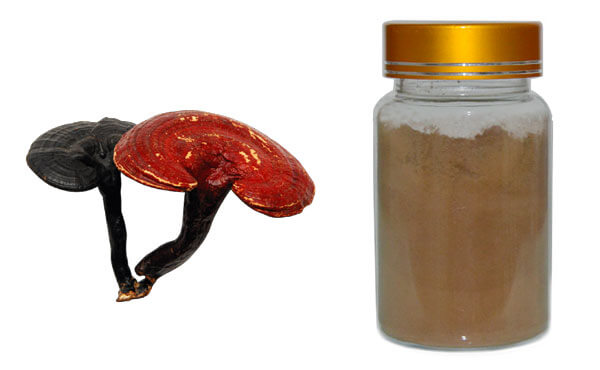
China’s dominance in Reishi, or Ganoderma lucidum (Lingzhi), is centuries in the making. It is culturally rooted in Traditional Chinese Medicine and has been scaled through advanced agricultural science. While Reishi grows in other parts of the world, China has perfected its large-scale cultivation on hardwood logs or sawdust substrates, ensuring a consistent, year-round supply of the fungal biomass. More importantly, China hosts a concentrated industry of facilities specializing in the extraction of medicinal mushrooms. These processors have the capability to handle the tough, woody Reishi fruiting body, using methods like hot water extraction and alcohol extraction to pull out the bioactive compounds. This vertical integration—from controlled cultivation to high-volume extraction—creates a supply chain that is difficult to replicate in terms of both volume and cost.
Understanding the Supplier Landscape
The term "Chinese supplier" covers a broad spectrum. Identifying where a potential partner sits within it is the first step in due diligence.
The Direct Extract Manufacturers: These are often larger, GMP-compliant facilities whose primary business is the extraction and standardization of botanicals. Their strength is control over the entire process, from raw mushroom to finished powder. They typically offer Reishi extract standardized to specific markers, such as polysaccharides or triterpenes, and can provide detailed, batch-specific analytical reports. Minimum order quantities (MOQs) are higher, often starting at 25kg, and communication is technical and specification-driven.
The Agricultural Cooperatives and Specialized Growers: Some suppliers originate from the cultivation side. They may control vast Reishi farms and have moved into basic extraction to add value. Their advantage can be traceability to specific growing regions (like Zhejiang or Fujian) and potentially unique strains. However, their extraction technology and standardization capabilities might be less sophisticated than a dedicated extract manufacturer.
The Trading Companies: A vast number of online wholesalers, particularly on B2B platforms, are traders. They source from factories and resell. They can offer lower MOQs, more flexible service, and a one-stop shop for multiple ingredients. The significant drawback is the added layer between you and the actual producer, which can obscure the true origin of the product and complicate quality assurance. Vetting a trader requires extra steps to confirm their upstream factory.
The Specifications That Truly Matter
The price per kilogram is a starting point, but the real negotiation is over the specification sheet.
Type of Extract: This is fundamental. Is it a hot water extract (rich in beta-glucans and polysaccharides)? An alcohol extract (concentrating the bitter triterpenes)? Or a dual extract that combines both to capture the full spectrum of compounds? Each has different applications and selling points.
Standardization: Reishi is standardized to its key marker compounds. Polysaccharide content (often 10%, 20%, or 30%) and triterpene content (often 5% or 10%) are the most common. These are not the same as the extraction ratio. A "20:1 extract" is meaningless without knowing the percentage of active compounds.
Solubility: This is a practical concern for product development. Many Reishi extracts, especially high-polysaccharide ones, are water-soluble. Others may only be soluble in alcohol or require emulsification. This must align with your intended final product format.
Testing and Documentation: Insist on a recent, batch-specific Certificate of Analysis (COA) from a reputable lab. This should confirm the standardization claims and include mandatory tests for heavy metals (lead, arsenic, cadmium, mercury), microbial limits, and residual solvents. The absence of a clear COA is a firm reason to walk away.
The Practicalities of Sourcing
Sourcing is a process, not a single transaction. After identifying potential suppliers, the sample phase is critical. Pay for samples from your shortlist and have them tested by an independent, third-party lab you trust. This verifies the supplier’s claims and gives you a baseline for quality.
Communication during this phase is telling. A reliable supplier will answer technical questions about their extraction methodology, source of biomass, and standardization process without hesitation. They should be transparent and proactive with documentation.
Payment terms are typically by bank transfer (T/T), with a 30-50% deposit common. For new relationships, consider using secure payment channels offered by platforms or escrow services. Be clear on shipping terms (FOB, CIF, etc.), and factor in the cost and lead time of sea freight, which is standard for wholesale quantities.
Ultimately, sourcing Reishi mushroom extract from China is an exercise in informed pragmatism. It provides access to an ingredient of immense popularity, produced at a scale that makes business viable. The path to a successful partnership is built on technical clarity, verified documentation, and a supplier whose capabilities match your specific needs—not on finding the cheapest price or the most extravagant promise. In this market, knowledge of the fungus itself is only half the requirement; the other half is a clear understanding of the complex supply chain that brings it from the grower's log to your formulation bench.
 |
|