Nearby Featured Providers
Because addiction is complex, this treatment typically includes a variety of interventions that address the many issues involved. When individuals choose a young adult program in Arizona, they receive multidisciplinary care that addresses all aspects of their lives. Treatment focuses on physical, social, educational, and emotional needs, encompassing both addiction and dual diagnosis treatment. The Coleman Institute is a private substance abuse treatment facility in Phoenix… If you are struggling with both addiction and mental illness, you need Arizona dual diagnosis treatment.
I need to get into a facility right away, today if possible. I have been struggling over a year and don’t recognize myself anymore. Approximately 28% of teens know at least one person who has used Ecstasy, with 17% knowing more than one person who has tried it.Cocaine comes in two forms. The rock form of cocaine is referred to as crack cocaine. We are available 24/7 to help answer your questions and have provided you with these options to get in contact with us. Get answers to some of the most common questions we receive daily.
OF OUR PATIENTS SAY THEY FEEL CARED FOR
- For additional information on arizona drug rehab please phone our toll free helpline.
- Our caring staff provide support and care around-the-clock to help prepare you for your new life in recovery.
- Residential drug rehab provides the comforts of home with the therapeutic support needed to successfully recover.
- If you don’t have a camera-enabled device then just a telephone can work.
Your contribution will help in transforming the health and well-being of families throughout Victory Programs Review Arizona.
The Forge Recovery Center
Our services promote a healthy, sober, and independent lifestyle, strengthening families in recovery. At our Victory Programs location in Glendale, our experienced recovery experts are committed to delivering comprehensive, support services. Our 12 step meetings are designed to provide a whole person care model that will support patients in our centers, or in the community. Research clearly demonstrates that recovery is far more successful and sustainable when loved ones like family members participate in rehab and substance abuse treatment.
Filter your search for a treatment program or facility with specific categories. You may also find a resource using our addiction treatment search. For additional information on arizona drug rehab please phone our toll free helpline. You’ll participate in at least one hour of therapy weekly alongside eight hours of therapeutic activities daily. This encompasses group counseling as well as individual sessions with your assigned counselor.
They’re situated near the intersection of 51st Avenue and Bethany Home Road just 1.5 miles south of Grand Avenue and four miles west of Interstate 17 with a direct route to downtown Phoenix. The area is surrounded by retail shops as well as natural attractions like Sahuaro Ranch Park and Camelback Ranch. Intervention services in Arizona are designed to encourage a loved one to get the treatment they need. Services include professional assistance with staging an intervention, development of a treatment program, and guidance with selection of and admittance to drug rehab in Arizona. The length of time you are in treatment will vary depending on the treatment plan your counselor develops with you. Recovery is a life change process and there are other options after treatment to help support you.
Group Therapy
We start with an assessment, then work with you on a plan for treatment. Our outpatient services allow patients to learn how to stay sober in a real-life setting. We use proven treatment methods centered in group therapy that provides support, skill-building and healing in a community setting. Some individuals may benefit from individual counseling in addition to other services; your treatment plan is uniquely designed to meet your needs. Victory Programs (Glendale) in Glendale, Arizona is a drug treatment program focusing on a health and substance abuse services mix. Providing substance abuse treatment with outpatient care and residential short-term treatment.
- Since many of our rehab centers are sliding scale, we have provided the Federal Poverty Guidelines below.
- At our Victory Programs location in Glendale, our experienced recovery experts are committed to delivering comprehensive, support services.
- I need to get into a facility right away, today if possible.
- Using self-pay methods to cover the cost of alcohol and drug rehab in Alaska can include options like paying in cash, taking out a personal loan, or using funds from a medical loan.
Treatment works, and recovery IS possible.Start your recovery journey at Victory Programs, our residential center provides 24-hour, seven days a week care and healing from substance use. The program typically lasts between 24 to 25 days depending on need. The staff will guide you towards the next step in your recovery journey via tailored discharge planning. This may involve referrals to other recovery services within Terros Health network like their co-occurring treatment programs or Maverick Living housing for men. Private drug rehab provides a comfortable, secure environment that allows you to focus on doing the work to get your life back on track.
If you don’t have a camera-enabled device then just a telephone can work. For some services coming into the office cannot be avoided and then based on your insurance transportation can be arranged. If you do not have insurance, our benefits specialist who can help you determine if you qualify for benefits or other coverage. We are often able to locate AHCCCS enrollment or grant funding that covers your cost of treatment. Jewish Family & Children’s Services (JFCS) is a substance abuse and mental h…
Find Drug Rehabs in Arizona
It allows you to live in a supervised, sober environment to help you maintain sobriety during early recovery. You’ll receive peer support through a 12-step program and follow structured house rules that encourage growth toward independence. A rehab adult program in Arizona provides treatment for addiction. Adults (age 18+) participate in various therapies that are designed to break the cycle of substance abuse and teach new coping skills so the individual can maintain a healthy, sober lifestyle. Residential drug rehab provides the comforts of home with the therapeutic support needed to successfully recover.
These services aim to assist individuals in transitioning back into their daily lives while maintaining their sobriety. We do not receive any commission or fee that is dependent upon which treatment provider a caller chooses. Individuals who attend opioid rehab in Arizona are provided a safe and comfortable environment where they can focus on sobriety. The goal of treatment is to address issues that drive dependence and help individuals learn how to live independently from opioid use. During your services it is important for you to be open and honest.
Your counselor will work with you to identify best treatment and support options to work toward successful recovery goals. Terros Health recognizes the importance of ongoing support and aftercare in maintaining long term sobriety. Aftercare services may include counseling, support groups, relapse prevention strategies, and access to community resources.
Terros Health offers a supportive outpatient program (SOP) that provides flexible and accessible care for an average of 12 weeks. Outpatient treatment includes individual counseling, group therapy, psychoeducation, and support services. These services are designed to address the underlying causes of addiction, develop coping skills, and support individuals in maintaining their recovery. An intensive outpatient program (IOP) provides a more structured and intensive level of care than traditional outpatient treatment.
]]>The residential counselor will need to provide you with a reference letter, and you’ll need a sponsorship and a referral from a current resident. Hope House Addiction Services is the oldest and one of the largest residential rehab centers in Massachusetts. The Boston facility provides long-term residential recovery support for men and outpatient treatment for men and women struggling with substance abuse. Addressing the opioid crisis is a priority, and the rehab center emphasizes education, 12-step concepts, and re-integration into the local community. Clients receive referrals to community services and health care providers with which the center coordinates.
- They provide drug and alcohol addiction recovery services to men and women who’re living with a substance use disorder or a mental health struggle.
- We also offer group and individual therapy, as well as trauma therapy, to help our clients heal from the effects of addiction.
- They offer both in patient recovery house beds as well as outpatient counseling amd iop services.
- Recovery and Maintenance are usually based on 12 step programs and AA meetings.
This is a Great House with Great Staff that Cares about every Client. They also have a Lot of services that they Provided like therapy,Job Traing Courses and other Services.. The official Facebook page of Hope House Boston notes that services take place in a multi-story, 35,000-square-foot facility with 95 residential beds. Photographs feature softball and basketball teams and an on-site gym and industrial kitchen. Calls to any general helpline will be answered or returned by a paid advertiser.

The goal is to learn how to live independently, free from drugs and alcohol. Aftercare rehab in Massachusetts gives you continued access to support after rehab. You may need assistance with job coaching, budgeting, education, or accountability as you re-enter your life. Aftercare programs provide these supports, so you can face challenges and maintain a sober lifestyle long-term. Medicaid is a state based program that helps lower-income individuals and families pay for healthcare.
Nearby Featured Providers

The residents still have access to all Hope House resources, including weekly in-house clinical outpatient groups and events. Clients of Hope House are encouraged to plan for a safe living environment to discharge to at the beginning of their treatment. Hope House Addiction Services works with the client to find the best fit for their individual needs and the level of care that will support their recovery goals. Depending on eligibility, our grad house, Zach’s Place, or our Single Room Occupancies can be an option for current patients.
Boston Rescue Mission Outpatient Counseling
The SOAP Program is offered through Hope House Inc.’s Outpatient Department. SOAP is a four-week intensive treatment program that provides group therapy and individual support. You don’t have to be an expert on interventions to help an addicted loved one.
- Hope House Addiction Services is the oldest and one of the largest residential rehab centers in Massachusetts.
- This includes individual and family plans offered by an employer or purchased from the Insurance Marketplace.
- They continue attending house meetings and participating in 12-step practices and counseling.
- This may include mental health treatment, medical care, food security, employment, education, relationships, and housing.
Outpatient Addiction Treatment
During the second phase, you’ll be encouraged to fill your time with productive habits such as work or school. You’ll have access to vocational and education services that can help you become job or school ready. Those with poor social support, poor motivation, or psychiatric disorders tend to relapse within a few years of treatment.
Hope House Boston
They often include the opportunity to engage in both individual as well as group therapy. A client may choose to continue their journey of Recovery by continuing to engage in supportive services offered by Hope House. Hope House Addiction Services provides treatment for substance use and mental health disorders in Boston, Massachusetts. For men who want to stop drinking or using drugs, men’s rehab hope house boston in Massachusetts offers help and hope. These treatment programs, designed specifically for men, help participants recover and rebuild their lives.
Insurance
Once men complete their residential recovery then they can get connected to other resources including Hope House Addiction Services’s Zack’s House. This is a sober living facility where you can apply and practice the skills you’ve learned in residential treatment. This organization works with men and women who are facing life struggles that have been brought on because of their substance use disorder. If you have a co-occurring mental health struggle, you’ll also find supportive care here. Once they reach the work phase of the program, residents who are earning wages are expected to pay a small fee each week for accommodations, according to the Hope House website. Public and private insurance plans are accepted, and a sliding fee scale is available for outpatient treatment.
At the outset of Phase I, clients are evaluated for needs in the areas of housing, medical conditions, job prospects, and the like. A client may be referred to community programs and/or practitioners with affiliation agreements with Hope House. Private drug rehab provides a comfortable, secure environment that allows you to focus on doing the work to get your life back on track. Benefits include a higher staff-to-client ratio, increased one-on-one time with therapists and healthcare providers, private rooms for clients, and customized forms of therapy.
Centers may have grants or scholarships available to clients who meet eligibility requirements. Programs that receive SAMHSA grants may have financial aid available for those who need treatment as well. Grants and scholarships can help you pai for treatment without having to repay.
Aftercare
Reviews comments must comply with our Review Policy Content Standards. Please do not use names (job titles / positions are acceptable) of any individual or identifying features, abusive remarks, or allegations of negligence or criminal activity.
The SRO is a supportive living space, and although the residents sign leases to their units, they enjoy access to Hope House resources and staff. Each adult program in Massachusetts is designed to help individuals over the age of 18 recover from addiction to drugs or alcohol. The length of the program and its intensity varies, based on the needs of the individual.
]]>How to lower your tolerance for weed without stopping smoking: Expert tips
Studies indicate that individuals who take a tolerance break and engage in alternative activities during their pauses are more likely to succeed. Specialists suggest that taking a tolerance break of 3-4 weeks can be beneficial for normalizing cannabinoid receptors and restoring sensitivity to the effects of cannabis. Together, we can take this important step towards a healthier relationship with marijuana. Health experts emphasize that taking tolerance breaks can significantly enhance the effectiveness of marijuana. This allows users to experience its effects with reduced doses, which how to lower weed tolerance can be a more mindful approach.
Tolerance Breaks Should Feel Empowering
A prescription cannabidiol (CBD) oil is considered an effective anti-seizure medication. However, further research is needed to determine CBD’s other benefits and safety. At NuView, we integrate expertise in behavioral therapy, mental health, and substance use treatment to create a customized recovery plan tailored to your unique needs.
How to Lower Marijuana Tolerance without Taking a Break?
- Factors such as metabolism, body composition, and frequency of use all play a role in determining the optimal duration for a tolerance break.
- For most, 1–2 weeks works, but Splash Brothers customers who use heavy THC might need a longer reset window for a clean slate.
- Have you ever noticed that you have to smoke more cannabis over time to get as high as you used to?
Edibles present unique considerations for tolerance management. Their delayed onset (30-60 minutes) and extended duration (2-4 hours) result in different tolerance patterns 2. Remarkably, edible consumption produces higher levels of 11-hydroxy-THC, a more potent metabolite that intensifies Halfway house psychoactive effects 26. Strategic timing of CBD consumption maximizes its effectiveness in managing THC tolerance. Studies suggest that CBD’s presence in the bloodstream remains significant for approximately 15 hours after administration 15.
Those CB1 receptors that have been numbed out by daily THC finally get a chance to wake back up. If your weed tolerance has gotten out of hand, don’t stress. We see it all the time—customers who used to love one preroll a day now need two or three just to feel lifted.
- The statements made regarding these products have not been evaluated by the Food and Drug Administration.
- It’s funny how when you smoke all the time, your weed tools become a central part of your routine.
- You can also speak with your primary healthcare provider for some over-the-counter medications to deal with the more discomforting symptoms, like headaches and vomiting.
- Changing timing breaks that expectation without removing cannabis from your life.
- Alternatively, you could try gradual reduction, i.e., tapering off your THC intake over time.
Explore POM Cannabis
To bring your brain back to planet Earth, try switching to products that have a lower percentage of THC. This can be especially effective when combined with the method above, which might help you dial things back even further. Though you probably have a favorite strain of cannabis, incorporating other strains or products may help to change the way in which your body interacts with marijuana. Because every cannabis strain has a different CBD and THC percentage and a unique terpene profile, your body may respond differently to a different strain. If you use cannabis medically, a slow, controlled reduction in dose over many months may be a safer and more effective method to reduce tolerance.
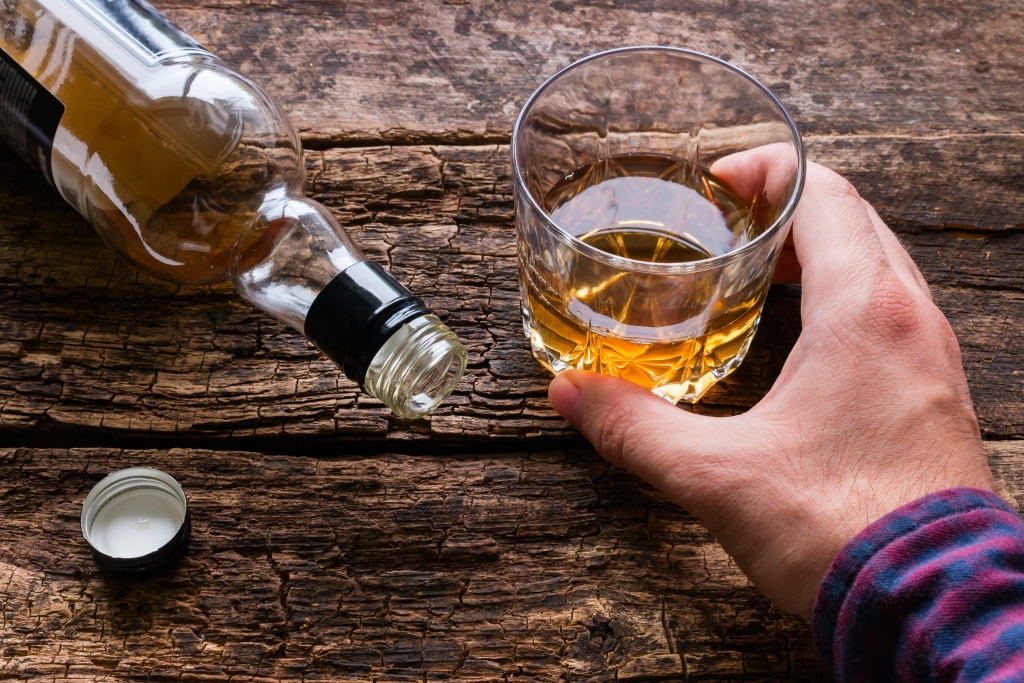
Regular exercise and balanced nutrition can significantly reduce withdrawal symptoms, which typically peak within the first week. Over time, you’ll notice distinct changes in your response to THC that signal developing tolerance. Frequent users, especially those consuming high-potency strains, experience these signs more rapidly than occasional users.
Cannabis is notoriously safe – one of the safest medications available. Not a single overdose death has ever been reported, and it could help patients reduce or eliminate their dependency on opioids. But sometimes, the body becomes sort of “used to” your cannabis intake. Your usual intake methods become habits, your daily dose becomes the baseline, and the strength of cannabis effects on you begin to plateau.
However, only abstinence can reveal any symptoms of withdrawal and therefore, dependence. While different, tolerance and dependence can be related, as higher tolerance can be an indicator of the potential for dependence. Many people https://kids4hydrogen.org/retained-earnings-accounting-explained/ who have developed a high tolerance do go through cannabis withdrawal when taking a T break or using less cannabis than usual. Tetrahydrocannabinol (THC) is the psychoactive compound in cannabis.
- This mindful approach can lead to a more enjoyable and productive experience when marijuana use is resumed.
- Once you’re ready to jump back in, that first hit will hit like new again.
- With a slow dose reduction, tolerance also tends to stabilize and no longer escalate in the future.
- You need heavy hitters—stuff that actually gets through and makes you feel something real.
- It’s like hitting the refresh button on your cannabis experience, allowing you to enjoy the effects more fully when you resume smoking.
Trying other ways of consuming cannabis can also help with lowering your weed tolerance. For example, a consumer who typically takes cannabis concentrates could try smoking flower. Though T-breaks are the most effective way of reducing a high tolerance to cannabis, some people find the effects of cannabis withdrawal hard to overcome. If you find yourself in this category, reducing your consumption could be just as effective for lowering your tolerance to cannabis. Apart from raising costs, raising your level of consumption can lead to adverse health effects that can easily be avoided by pulling back. The good news is that, once you reset your weed tolerance, you should be able to keep enjoying your favorite Seattle (or local) cannabis products for a long time to come.
]]>How to lower your tolerance for weed without stopping smoking: Expert tips
Studies indicate that individuals who take a tolerance break and engage in alternative activities during their pauses are more likely to succeed. Specialists suggest that taking a tolerance break of 3-4 weeks can be beneficial for normalizing cannabinoid receptors and restoring sensitivity to the effects of cannabis. Together, we can take this important step towards a healthier relationship with marijuana. Health experts emphasize that taking tolerance breaks can significantly enhance the effectiveness of marijuana. This allows users to experience its effects with reduced doses, which how to lower weed tolerance can be a more mindful approach.
Tolerance Breaks Should Feel Empowering
A prescription cannabidiol (CBD) oil is considered an effective anti-seizure medication. However, further research is needed to determine CBD’s other benefits and safety. At NuView, we integrate expertise in behavioral therapy, mental health, and substance use treatment to create a customized recovery plan tailored to your unique needs.
How to Lower Marijuana Tolerance without Taking a Break?
- Factors such as metabolism, body composition, and frequency of use all play a role in determining the optimal duration for a tolerance break.
- For most, 1–2 weeks works, but Splash Brothers customers who use heavy THC might need a longer reset window for a clean slate.
- Have you ever noticed that you have to smoke more cannabis over time to get as high as you used to?
Edibles present unique considerations for tolerance management. Their delayed onset (30-60 minutes) and extended duration (2-4 hours) result in different tolerance patterns 2. Remarkably, edible consumption produces higher levels of 11-hydroxy-THC, a more potent metabolite that intensifies Halfway house psychoactive effects 26. Strategic timing of CBD consumption maximizes its effectiveness in managing THC tolerance. Studies suggest that CBD’s presence in the bloodstream remains significant for approximately 15 hours after administration 15.
Those CB1 receptors that have been numbed out by daily THC finally get a chance to wake back up. If your weed tolerance has gotten out of hand, don’t stress. We see it all the time—customers who used to love one preroll a day now need two or three just to feel lifted.
- The statements made regarding these products have not been evaluated by the Food and Drug Administration.
- It’s funny how when you smoke all the time, your weed tools become a central part of your routine.
- You can also speak with your primary healthcare provider for some over-the-counter medications to deal with the more discomforting symptoms, like headaches and vomiting.
- Changing timing breaks that expectation without removing cannabis from your life.
- Alternatively, you could try gradual reduction, i.e., tapering off your THC intake over time.
Explore POM Cannabis
To bring your brain back to planet Earth, try switching to products that have a lower percentage of THC. This can be especially effective when combined with the method above, which might help you dial things back even further. Though you probably have a favorite strain of cannabis, incorporating other strains or products may help to change the way in which your body interacts with marijuana. Because every cannabis strain has a different CBD and THC percentage and a unique terpene profile, your body may respond differently to a different strain. If you use cannabis medically, a slow, controlled reduction in dose over many months may be a safer and more effective method to reduce tolerance.
Regular exercise and balanced nutrition can significantly reduce withdrawal symptoms, which typically peak within the first week. Over time, you’ll notice distinct changes in your response to THC that signal developing tolerance. Frequent users, especially those consuming high-potency strains, experience these signs more rapidly than occasional users.
Cannabis is notoriously safe – one of the safest medications available. Not a single overdose death has ever been reported, and it could help patients reduce or eliminate their dependency on opioids. But sometimes, the body becomes sort of “used to” your cannabis intake. Your usual intake methods become habits, your daily dose becomes the baseline, and the strength of cannabis effects on you begin to plateau.
However, only abstinence can reveal any symptoms of withdrawal and therefore, dependence. While different, tolerance and dependence can be related, as higher tolerance can be an indicator of the potential for dependence. Many people https://kids4hydrogen.org/retained-earnings-accounting-explained/ who have developed a high tolerance do go through cannabis withdrawal when taking a T break or using less cannabis than usual. Tetrahydrocannabinol (THC) is the psychoactive compound in cannabis.
- This mindful approach can lead to a more enjoyable and productive experience when marijuana use is resumed.
- Once you’re ready to jump back in, that first hit will hit like new again.
- With a slow dose reduction, tolerance also tends to stabilize and no longer escalate in the future.
- You need heavy hitters—stuff that actually gets through and makes you feel something real.
- It’s like hitting the refresh button on your cannabis experience, allowing you to enjoy the effects more fully when you resume smoking.
Trying other ways of consuming cannabis can also help with lowering your weed tolerance. For example, a consumer who typically takes cannabis concentrates could try smoking flower. Though T-breaks are the most effective way of reducing a high tolerance to cannabis, some people find the effects of cannabis withdrawal hard to overcome. If you find yourself in this category, reducing your consumption could be just as effective for lowering your tolerance to cannabis. Apart from raising costs, raising your level of consumption can lead to adverse health effects that can easily be avoided by pulling back. The good news is that, once you reset your weed tolerance, you should be able to keep enjoying your favorite Seattle (or local) cannabis products for a long time to come.
]]>How to lower your tolerance for weed without stopping smoking: Expert tips
Studies indicate that individuals who take a tolerance break and engage in alternative activities during their pauses are more likely to succeed. Specialists suggest that taking a tolerance break of 3-4 weeks can be beneficial for normalizing cannabinoid receptors and restoring sensitivity to the effects of cannabis. Together, we can take this important step towards a healthier relationship with marijuana. Health experts emphasize that taking tolerance breaks can significantly enhance the effectiveness of marijuana. This allows users to experience its effects with reduced doses, which how to lower weed tolerance can be a more mindful approach.
Tolerance Breaks Should Feel Empowering
A prescription cannabidiol (CBD) oil is considered an effective anti-seizure medication. However, further research is needed to determine CBD’s other benefits and safety. At NuView, we integrate expertise in behavioral therapy, mental health, and substance use treatment to create a customized recovery plan tailored to your unique needs.
How to Lower Marijuana Tolerance without Taking a Break?
- Factors such as metabolism, body composition, and frequency of use all play a role in determining the optimal duration for a tolerance break.
- For most, 1–2 weeks works, but Splash Brothers customers who use heavy THC might need a longer reset window for a clean slate.
- Have you ever noticed that you have to smoke more cannabis over time to get as high as you used to?
Edibles present unique considerations for tolerance management. Their delayed onset (30-60 minutes) and extended duration (2-4 hours) result in different tolerance patterns 2. Remarkably, edible consumption produces higher levels of 11-hydroxy-THC, a more potent metabolite that intensifies Halfway house psychoactive effects 26. Strategic timing of CBD consumption maximizes its effectiveness in managing THC tolerance. Studies suggest that CBD’s presence in the bloodstream remains significant for approximately 15 hours after administration 15.
Those CB1 receptors that have been numbed out by daily THC finally get a chance to wake back up. If your weed tolerance has gotten out of hand, don’t stress. We see it all the time—customers who used to love one preroll a day now need two or three just to feel lifted.
- The statements made regarding these products have not been evaluated by the Food and Drug Administration.
- It’s funny how when you smoke all the time, your weed tools become a central part of your routine.
- You can also speak with your primary healthcare provider for some over-the-counter medications to deal with the more discomforting symptoms, like headaches and vomiting.
- Changing timing breaks that expectation without removing cannabis from your life.
- Alternatively, you could try gradual reduction, i.e., tapering off your THC intake over time.
Explore POM Cannabis
To bring your brain back to planet Earth, try switching to products that have a lower percentage of THC. This can be especially effective when combined with the method above, which might help you dial things back even further. Though you probably have a favorite strain of cannabis, incorporating other strains or products may help to change the way in which your body interacts with marijuana. Because every cannabis strain has a different CBD and THC percentage and a unique terpene profile, your body may respond differently to a different strain. If you use cannabis medically, a slow, controlled reduction in dose over many months may be a safer and more effective method to reduce tolerance.
Regular exercise and balanced nutrition can significantly reduce withdrawal symptoms, which typically peak within the first week. Over time, you’ll notice distinct changes in your response to THC that signal developing tolerance. Frequent users, especially those consuming high-potency strains, experience these signs more rapidly than occasional users.
Cannabis is notoriously safe – one of the safest medications available. Not a single overdose death has ever been reported, and it could help patients reduce or eliminate their dependency on opioids. But sometimes, the body becomes sort of “used to” your cannabis intake. Your usual intake methods become habits, your daily dose becomes the baseline, and the strength of cannabis effects on you begin to plateau.
However, only abstinence can reveal any symptoms of withdrawal and therefore, dependence. While different, tolerance and dependence can be related, as higher tolerance can be an indicator of the potential for dependence. Many people https://kids4hydrogen.org/retained-earnings-accounting-explained/ who have developed a high tolerance do go through cannabis withdrawal when taking a T break or using less cannabis than usual. Tetrahydrocannabinol (THC) is the psychoactive compound in cannabis.
- This mindful approach can lead to a more enjoyable and productive experience when marijuana use is resumed.
- Once you’re ready to jump back in, that first hit will hit like new again.
- With a slow dose reduction, tolerance also tends to stabilize and no longer escalate in the future.
- You need heavy hitters—stuff that actually gets through and makes you feel something real.
- It’s like hitting the refresh button on your cannabis experience, allowing you to enjoy the effects more fully when you resume smoking.
Trying other ways of consuming cannabis can also help with lowering your weed tolerance. For example, a consumer who typically takes cannabis concentrates could try smoking flower. Though T-breaks are the most effective way of reducing a high tolerance to cannabis, some people find the effects of cannabis withdrawal hard to overcome. If you find yourself in this category, reducing your consumption could be just as effective for lowering your tolerance to cannabis. Apart from raising costs, raising your level of consumption can lead to adverse health effects that can easily be avoided by pulling back. The good news is that, once you reset your weed tolerance, you should be able to keep enjoying your favorite Seattle (or local) cannabis products for a long time to come.
]]>How to lower your tolerance for weed without stopping smoking: Expert tips
Studies indicate that individuals who take a tolerance break and engage in alternative activities during their pauses are more likely to succeed. Specialists suggest that taking a tolerance break of 3-4 weeks can be beneficial for normalizing cannabinoid receptors and restoring sensitivity to the effects of cannabis. Together, we can take this important step towards a healthier relationship with marijuana. Health experts emphasize that taking tolerance breaks can significantly enhance the effectiveness of marijuana. This allows users to experience its effects with reduced doses, which how to lower weed tolerance can be a more mindful approach.
Tolerance Breaks Should Feel Empowering
A prescription cannabidiol (CBD) oil is considered an effective anti-seizure medication. However, further research is needed to determine CBD’s other benefits and safety. At NuView, we integrate expertise in behavioral therapy, mental health, and substance use treatment to create a customized recovery plan tailored to your unique needs.
How to Lower Marijuana Tolerance without Taking a Break?
- Factors such as metabolism, body composition, and frequency of use all play a role in determining the optimal duration for a tolerance break.
- For most, 1–2 weeks works, but Splash Brothers customers who use heavy THC might need a longer reset window for a clean slate.
- Have you ever noticed that you have to smoke more cannabis over time to get as high as you used to?
Edibles present unique considerations for tolerance management. Their delayed onset (30-60 minutes) and extended duration (2-4 hours) result in different tolerance patterns 2. Remarkably, edible consumption produces higher levels of 11-hydroxy-THC, a more potent metabolite that intensifies Halfway house psychoactive effects 26. Strategic timing of CBD consumption maximizes its effectiveness in managing THC tolerance. Studies suggest that CBD’s presence in the bloodstream remains significant for approximately 15 hours after administration 15.
Those CB1 receptors that have been numbed out by daily THC finally get a chance to wake back up. If your weed tolerance has gotten out of hand, don’t stress. We see it all the time—customers who used to love one preroll a day now need two or three just to feel lifted.
- The statements made regarding these products have not been evaluated by the Food and Drug Administration.
- It’s funny how when you smoke all the time, your weed tools become a central part of your routine.
- You can also speak with your primary healthcare provider for some over-the-counter medications to deal with the more discomforting symptoms, like headaches and vomiting.
- Changing timing breaks that expectation without removing cannabis from your life.
- Alternatively, you could try gradual reduction, i.e., tapering off your THC intake over time.
Explore POM Cannabis
To bring your brain back to planet Earth, try switching to products that have a lower percentage of THC. This can be especially effective when combined with the method above, which might help you dial things back even further. Though you probably have a favorite strain of cannabis, incorporating other strains or products may help to change the way in which your body interacts with marijuana. Because every cannabis strain has a different CBD and THC percentage and a unique terpene profile, your body may respond differently to a different strain. If you use cannabis medically, a slow, controlled reduction in dose over many months may be a safer and more effective method to reduce tolerance.
Regular exercise and balanced nutrition can significantly reduce withdrawal symptoms, which typically peak within the first week. Over time, you’ll notice distinct changes in your response to THC that signal developing tolerance. Frequent users, especially those consuming high-potency strains, experience these signs more rapidly than occasional users.
Cannabis is notoriously safe – one of the safest medications available. Not a single overdose death has ever been reported, and it could help patients reduce or eliminate their dependency on opioids. But sometimes, the body becomes sort of “used to” your cannabis intake. Your usual intake methods become habits, your daily dose becomes the baseline, and the strength of cannabis effects on you begin to plateau.
However, only abstinence can reveal any symptoms of withdrawal and therefore, dependence. While different, tolerance and dependence can be related, as higher tolerance can be an indicator of the potential for dependence. Many people https://kids4hydrogen.org/retained-earnings-accounting-explained/ who have developed a high tolerance do go through cannabis withdrawal when taking a T break or using less cannabis than usual. Tetrahydrocannabinol (THC) is the psychoactive compound in cannabis.
- This mindful approach can lead to a more enjoyable and productive experience when marijuana use is resumed.
- Once you’re ready to jump back in, that first hit will hit like new again.
- With a slow dose reduction, tolerance also tends to stabilize and no longer escalate in the future.
- You need heavy hitters—stuff that actually gets through and makes you feel something real.
- It’s like hitting the refresh button on your cannabis experience, allowing you to enjoy the effects more fully when you resume smoking.
Trying other ways of consuming cannabis can also help with lowering your weed tolerance. For example, a consumer who typically takes cannabis concentrates could try smoking flower. Though T-breaks are the most effective way of reducing a high tolerance to cannabis, some people find the effects of cannabis withdrawal hard to overcome. If you find yourself in this category, reducing your consumption could be just as effective for lowering your tolerance to cannabis. Apart from raising costs, raising your level of consumption can lead to adverse health effects that can easily be avoided by pulling back. The good news is that, once you reset your weed tolerance, you should be able to keep enjoying your favorite Seattle (or local) cannabis products for a long time to come.
]]>How to lower your tolerance for weed without stopping smoking: Expert tips
Studies indicate that individuals who take a tolerance break and engage in alternative activities during their pauses are more likely to succeed. Specialists suggest that taking a tolerance break of 3-4 weeks can be beneficial for normalizing cannabinoid receptors and restoring sensitivity to the effects of cannabis. Together, we can take this important step towards a healthier relationship with marijuana. Health experts emphasize that taking tolerance breaks can significantly enhance the effectiveness of marijuana. This allows users to experience its effects with reduced doses, which how to lower weed tolerance can be a more mindful approach.
Tolerance Breaks Should Feel Empowering
A prescription cannabidiol (CBD) oil is considered an effective anti-seizure medication. However, further research is needed to determine CBD’s other benefits and safety. At NuView, we integrate expertise in behavioral therapy, mental health, and substance use treatment to create a customized recovery plan tailored to your unique needs.
How to Lower Marijuana Tolerance without Taking a Break?
- Factors such as metabolism, body composition, and frequency of use all play a role in determining the optimal duration for a tolerance break.
- For most, 1–2 weeks works, but Splash Brothers customers who use heavy THC might need a longer reset window for a clean slate.
- Have you ever noticed that you have to smoke more cannabis over time to get as high as you used to?
Edibles present unique considerations for tolerance management. Their delayed onset (30-60 minutes) and extended duration (2-4 hours) result in different tolerance patterns 2. Remarkably, edible consumption produces higher levels of 11-hydroxy-THC, a more potent metabolite that intensifies Halfway house psychoactive effects 26. Strategic timing of CBD consumption maximizes its effectiveness in managing THC tolerance. Studies suggest that CBD’s presence in the bloodstream remains significant for approximately 15 hours after administration 15.
Those CB1 receptors that have been numbed out by daily THC finally get a chance to wake back up. If your weed tolerance has gotten out of hand, don’t stress. We see it all the time—customers who used to love one preroll a day now need two or three just to feel lifted.
- The statements made regarding these products have not been evaluated by the Food and Drug Administration.
- It’s funny how when you smoke all the time, your weed tools become a central part of your routine.
- You can also speak with your primary healthcare provider for some over-the-counter medications to deal with the more discomforting symptoms, like headaches and vomiting.
- Changing timing breaks that expectation without removing cannabis from your life.
- Alternatively, you could try gradual reduction, i.e., tapering off your THC intake over time.
Explore POM Cannabis
To bring your brain back to planet Earth, try switching to products that have a lower percentage of THC. This can be especially effective when combined with the method above, which might help you dial things back even further. Though you probably have a favorite strain of cannabis, incorporating other strains or products may help to change the way in which your body interacts with marijuana. Because every cannabis strain has a different CBD and THC percentage and a unique terpene profile, your body may respond differently to a different strain. If you use cannabis medically, a slow, controlled reduction in dose over many months may be a safer and more effective method to reduce tolerance.
Regular exercise and balanced nutrition can significantly reduce withdrawal symptoms, which typically peak within the first week. Over time, you’ll notice distinct changes in your response to THC that signal developing tolerance. Frequent users, especially those consuming high-potency strains, experience these signs more rapidly than occasional users.
Cannabis is notoriously safe – one of the safest medications available. Not a single overdose death has ever been reported, and it could help patients reduce or eliminate their dependency on opioids. But sometimes, the body becomes sort of “used to” your cannabis intake. Your usual intake methods become habits, your daily dose becomes the baseline, and the strength of cannabis effects on you begin to plateau.
However, only abstinence can reveal any symptoms of withdrawal and therefore, dependence. While different, tolerance and dependence can be related, as higher tolerance can be an indicator of the potential for dependence. Many people https://kids4hydrogen.org/retained-earnings-accounting-explained/ who have developed a high tolerance do go through cannabis withdrawal when taking a T break or using less cannabis than usual. Tetrahydrocannabinol (THC) is the psychoactive compound in cannabis.
- This mindful approach can lead to a more enjoyable and productive experience when marijuana use is resumed.
- Once you’re ready to jump back in, that first hit will hit like new again.
- With a slow dose reduction, tolerance also tends to stabilize and no longer escalate in the future.
- You need heavy hitters—stuff that actually gets through and makes you feel something real.
- It’s like hitting the refresh button on your cannabis experience, allowing you to enjoy the effects more fully when you resume smoking.
Trying other ways of consuming cannabis can also help with lowering your weed tolerance. For example, a consumer who typically takes cannabis concentrates could try smoking flower. Though T-breaks are the most effective way of reducing a high tolerance to cannabis, some people find the effects of cannabis withdrawal hard to overcome. If you find yourself in this category, reducing your consumption could be just as effective for lowering your tolerance to cannabis. Apart from raising costs, raising your level of consumption can lead to adverse health effects that can easily be avoided by pulling back. The good news is that, once you reset your weed tolerance, you should be able to keep enjoying your favorite Seattle (or local) cannabis products for a long time to come.
]]>How to lower your tolerance for weed without stopping smoking: Expert tips
Studies indicate that individuals who take a tolerance break and engage in alternative activities during their pauses are more likely to succeed. Specialists suggest that taking a tolerance break of 3-4 weeks can be beneficial for normalizing cannabinoid receptors and restoring sensitivity to the effects of cannabis. Together, we can take this important step towards a healthier relationship with marijuana. Health experts emphasize that taking tolerance breaks can significantly enhance the effectiveness of marijuana. This allows users to experience its effects with reduced doses, which how to lower weed tolerance can be a more mindful approach.
Tolerance Breaks Should Feel Empowering
A prescription cannabidiol (CBD) oil is considered an effective anti-seizure medication. However, further research is needed to determine CBD’s other benefits and safety. At NuView, we integrate expertise in behavioral therapy, mental health, and substance use treatment to create a customized recovery plan tailored to your unique needs.
How to Lower Marijuana Tolerance without Taking a Break?
- Factors such as metabolism, body composition, and frequency of use all play a role in determining the optimal duration for a tolerance break.
- For most, 1–2 weeks works, but Splash Brothers customers who use heavy THC might need a longer reset window for a clean slate.
- Have you ever noticed that you have to smoke more cannabis over time to get as high as you used to?
Edibles present unique considerations for tolerance management. Their delayed onset (30-60 minutes) and extended duration (2-4 hours) result in different tolerance patterns 2. Remarkably, edible consumption produces higher levels of 11-hydroxy-THC, a more potent metabolite that intensifies Halfway house psychoactive effects 26. Strategic timing of CBD consumption maximizes its effectiveness in managing THC tolerance. Studies suggest that CBD’s presence in the bloodstream remains significant for approximately 15 hours after administration 15.
Those CB1 receptors that have been numbed out by daily THC finally get a chance to wake back up. If your weed tolerance has gotten out of hand, don’t stress. We see it all the time—customers who used to love one preroll a day now need two or three just to feel lifted.
- The statements made regarding these products have not been evaluated by the Food and Drug Administration.
- It’s funny how when you smoke all the time, your weed tools become a central part of your routine.
- You can also speak with your primary healthcare provider for some over-the-counter medications to deal with the more discomforting symptoms, like headaches and vomiting.
- Changing timing breaks that expectation without removing cannabis from your life.
- Alternatively, you could try gradual reduction, i.e., tapering off your THC intake over time.
Explore POM Cannabis
To bring your brain back to planet Earth, try switching to products that have a lower percentage of THC. This can be especially effective when combined with the method above, which might help you dial things back even further. Though you probably have a favorite strain of cannabis, incorporating other strains or products may help to change the way in which your body interacts with marijuana. Because every cannabis strain has a different CBD and THC percentage and a unique terpene profile, your body may respond differently to a different strain. If you use cannabis medically, a slow, controlled reduction in dose over many months may be a safer and more effective method to reduce tolerance.
Regular exercise and balanced nutrition can significantly reduce withdrawal symptoms, which typically peak within the first week. Over time, you’ll notice distinct changes in your response to THC that signal developing tolerance. Frequent users, especially those consuming high-potency strains, experience these signs more rapidly than occasional users.
Cannabis is notoriously safe – one of the safest medications available. Not a single overdose death has ever been reported, and it could help patients reduce or eliminate their dependency on opioids. But sometimes, the body becomes sort of “used to” your cannabis intake. Your usual intake methods become habits, your daily dose becomes the baseline, and the strength of cannabis effects on you begin to plateau.
However, only abstinence can reveal any symptoms of withdrawal and therefore, dependence. While different, tolerance and dependence can be related, as higher tolerance can be an indicator of the potential for dependence. Many people https://kids4hydrogen.org/retained-earnings-accounting-explained/ who have developed a high tolerance do go through cannabis withdrawal when taking a T break or using less cannabis than usual. Tetrahydrocannabinol (THC) is the psychoactive compound in cannabis.
- This mindful approach can lead to a more enjoyable and productive experience when marijuana use is resumed.
- Once you’re ready to jump back in, that first hit will hit like new again.
- With a slow dose reduction, tolerance also tends to stabilize and no longer escalate in the future.
- You need heavy hitters—stuff that actually gets through and makes you feel something real.
- It’s like hitting the refresh button on your cannabis experience, allowing you to enjoy the effects more fully when you resume smoking.
Trying other ways of consuming cannabis can also help with lowering your weed tolerance. For example, a consumer who typically takes cannabis concentrates could try smoking flower. Though T-breaks are the most effective way of reducing a high tolerance to cannabis, some people find the effects of cannabis withdrawal hard to overcome. If you find yourself in this category, reducing your consumption could be just as effective for lowering your tolerance to cannabis. Apart from raising costs, raising your level of consumption can lead to adverse health effects that can easily be avoided by pulling back. The good news is that, once you reset your weed tolerance, you should be able to keep enjoying your favorite Seattle (or local) cannabis products for a long time to come.
]]>- Beveled mirror with a rectangular black and gold wooden frame.
- These lovely animals come as a…
- Discover your next favorite find here.
- They were invented in France in the mid-1840s and imported to Britain in the 1860s, where they were nicknamed for Queen Victoria.
- Each piece in the Chelsea House collection comes expertly handcrafted to ensure long-lasting quality that transcends time.
- That’s the spirit of Chelsea House.
Since 1974, our family-owned company has focused on delivering quality, handcraftsmanship, and design leadership—backed by a commitment to supporting our customers. A 10-minute walk from the beach, this family-run hotel is located in the centre of Torrevieja. Hotel Cano offers rooms with flat-screen TVs and private bathrooms. Create beautiful task lighting with our hand formed wheat sconce. This stunning iron wall sconce…
- On the other panel, a victoria was another carriage, but more luxurious and stylish.
- You know the moment when you walk into a room and know it’s something special?
- Hotel Cano offers rooms with flat-screen TVs and private bathrooms.
- Chelsea House brings warmth and beauty to homes with its extensive line of furniture, lighting, art, mirrors and decorative accessories.
Chelsea House Palm Tree in White or Gold
We combine a love of classic design, joyful colors, and fine materials to create furniture and accessories that make a room feel both welcoming and magazine-worthy. Bring the elegance of nature to your home with this porcelain tulip. Chelsea House brings warmth and beauty to homes with its extensive line of furniture, lighting, art, mirrors and decorative accessories. Items from Chelsea House, including designer lighting and furniture, will transform your home with beauty and sophistication. Shop the full line of Chelsea House lighting, decor and furniture at Ivy Home.
Chelsea House Decorative Gold Orchid On Stand
Beveled mirror with a rectangular black and gold wooden frame. Keyhole fasteners are provided for…
Chelsea House Large Round Mirror Gold
A generous serving tray offering a vibrant color palette for the gracious host, with metallic… A pair of dogs inspired by the Staffordshire antiques. These lovely animals come as a…
Hotel Golf Campoamor
The timeless ceramic shape with blue matte finish and white shade of the Augusta Lamp… Ancanthus leaf bowl is one of our most versatile bowls. This glossy white hand painted… Dress up your entryway console or living room Chelsea House Review chest with this charming hand painted cream…
Chelsea House Conner Cane End Table
On the other panel, a victoria was another carriage, but more luxurious and stylish. They were invented in France in the mid-1840s and imported to Britain in the 1860s, where they were nicknamed for Queen Victoria. Wagons were used to transport heavier materials and were pulled along by teams of horses or oxen. Lighter wagons were used to carry lighter materials. You know the moment when you walk into a room and know it’s something special? That’s the essence of Chelsea House.
Grounded in classic design, Chelsea House’s collection of furniture, lighting, art, mirrors, and more has elevated endless homes for decades. Overseen by Bill Cain whose family founded the company, Chelsea House invites timeless looks into the home while still offering a fresh perspective on contemporary trends. Each piece in the Chelsea House collection comes expertly handcrafted to ensure long-lasting quality that transcends time. Perfect for your coastal inspired decor, shell ceramic tureen is crafted of hand painted Italian… Our vision is to be a partner, supplier, and source of inspiration for fresh ideas, timeless home furnishings, and statement-making designer touches. Each of the products in our curated line of furniture, lighting, art, mirrors, and decorative accessories is destined to inspire and delight.
]]>
A missing piece of the puzzle for many clients is understanding the difference between selfishness and self-care. Clinical experience has shown that addicted individuals typically take less than they need, and, as a result, they become exhausted or resentful and turn to their addiction to relax or escape. Part of challenging addictive thinking is to encourage https://ecosoberhouse.com/ clients to see that they cannot be good to others if they are first not good to themselves. How honest should a person be without jeopardizing his or her work or relationships? Clients are encouraged to understand the concept of a recovery circle. This is a group of people that includes family, doctors, counselors, self-help groups, and sponsors.
Watch Your Free On-Demand Webinar: 9 Admin Tasks to Automate In Your Private Practice
Restoring normal brain function is difficult, which is why many people relapse during recovery. Depending on the duration and severity of a person’s addiction, it can take months or years of abstinence for the brain to recover from substance abuse. The relapse prevention model is a cognitive-behavioral approach designed to limit or prevent relapses.
- In this article, we will explore five ways that may help prevent a person in recovery from returning to drug or alcohol use.
- We may be paid a fee for marketing or advertising by organizations that can assist with treating people with substance use disorders.
- If you or a loved one are struggling with addiction, contact The Recovery Village today.
- Think about what’s driving you to quit, such as rebuilding damaged relationships, keeping a job, or getting healthy again.
- It should not be used in place of the advice of your physician or other qualified healthcare providers.
- As part of their all-or-nothing thinking, they assume that change means they must change everything in their lives.
Dr. Ahmed Zayed has degrees in Medicine and Surgery and is a graduate of The University of Alexandria. Dr. Ahmed Zayed has a passion for writing medical and healthcare articles and focuses on providing engaging and trustworthy information to readers. By knowing the triggers, the patient can put mitigation measures in place. That’s where getting help and pursuing personal development come into play, to help counter them. The Marlatt Model illustrates how both tonic (stable) and phasic (short-lived) influences interact with each other in order to evaluate the likeliness of a relapse.
Creating a Relapse Prevention Plan
Below is a sample of a relapse prevention plan that can serve as a guideline when writing your own recovery care plan. What changes are you willing to make, and what are your motivations for making them? A relapse prevention plan must be customized to the individual and their specific needs, preferences, and surrounding resources and support system. Sometimes they are brought on by triggering events or situations, such as stress or major life events. If the temptation to use again becomes too overwhelming, don’t hesitate to seek professional help.
- Relapse is a return to drug and/or alcohol use after a period of abstinence.3 There are several things that a person can do to minimize episodes of relapse, including making a recovery plan.
- A severe relapse may require inpatient treatment, but outpatient therapy may be appropriate for some people.
- Contact a healthcare professional if you or someone you know suffers from a substance use disorder.
- It has been shown that the way to get the most out of 12-step groups is to attend meetings regularly, have a sponsor, read 12-step materials, and have a goal of abstinence [24,25].
If you have a sponsor, they should be one of the first people you turn to if you feel like a relapse is a possibility. Since they’ve likely been in your shoes, they may have some insight and suggestions. Contacting the supportive people in your life can have a tremendous impact on cravings and relapse. Try to brainstorm a list of scenarios that could lead to potential relapse and list the warning signs of relapse. Some people begin to feel, think or behave differently when a relapse is brewing. Regardless, it is important to consider the following items when creating a relapse prevention plan.
Relapse Prevention Treatment
The phrase “cravings” is used to refer to the feeling someone has when they wish to use again. However, if you have a solid plan to confront such cravings, a relapse won’t be on the radar. BetterHelp offers affordable mental health care via phone, video, or live-chat.
Drug Use and AI: Weighing Concerns and Possibilities for Prevention – American Journal of Preventive Medicine
Drug Use and AI: Weighing Concerns and Possibilities for Prevention.
Posted: Mon, 04 Dec 2023 01:25:11 GMT [source]
Create a list of healthy coping skills and tools you can use when cravings or thoughts of relapse occur. These coping skills can include building a healthy support system of friends and family. Addiction isn’t a disease that can be overcome in weeks or months. They recognize that they can’t have one drink or let their guard down for a single day. They’re constantly practicing coping skills, stress-relief techniques and healthy habits.
A plan can serve as a blueprint to fall back on in times of stress, reminding you of your options at that moment and of your goals for moving forward. Relapse prevention plans are highly personal, and tailored to your specific circumstances, triggers, and needs. You may not plan to relapse, but that doesn’t mean you’re not susceptible to one. The ultimate goal of relapse prevention is to stay sober for life. This requires long-term treatment and daily work on your behalf.
]]>