|
The Pentagon story of the 1990s
The Pentagons were the most widespread ZX Spectrum clones in the successor states of the former Soviet Union in the 1990s. Their prevalence was due to their free access to documents and their easy, even homemade possible construction. They were also relatively easy to expand, so such upgrades released to them, which counting extreme in the world of 8-bit microcomputers. Among other things, processor tunings, memory expansions, sound cards, hard disk and real-time clock interfaces, new screen modes, etc., which have been introduced mainly into to crackers’, hackers’, developers’, swappers’ machines.
The default configuration soon became the Pentagon 128K with an integrated 640 KByte Beta-128 disk drive and LPrint III interfaces. It was popular also with optinonal 3-channel AY or YM audio chip, possibly enhanced with Covox variants and a Kempston mouse.
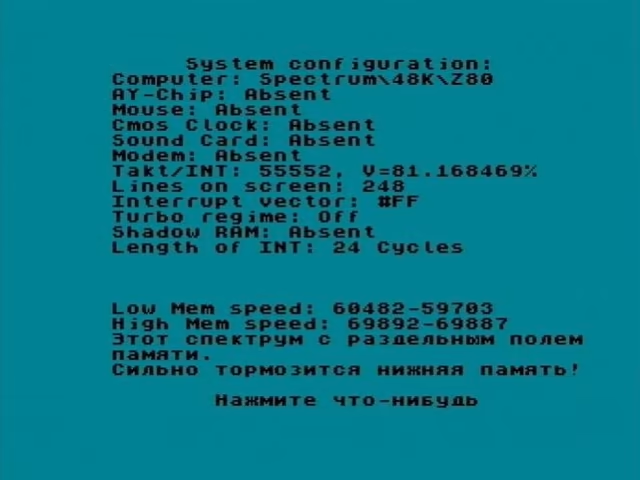
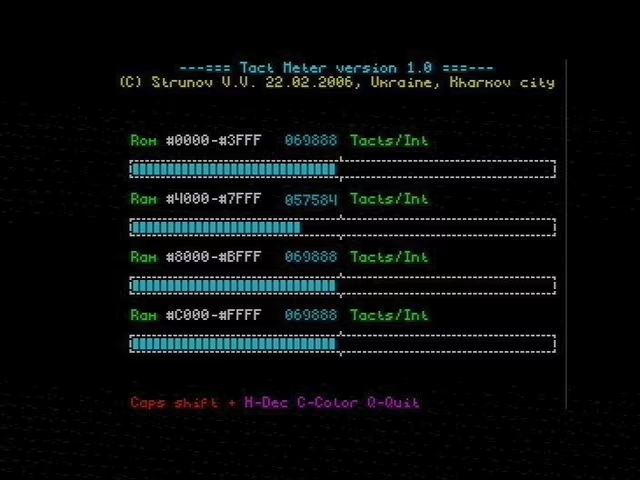
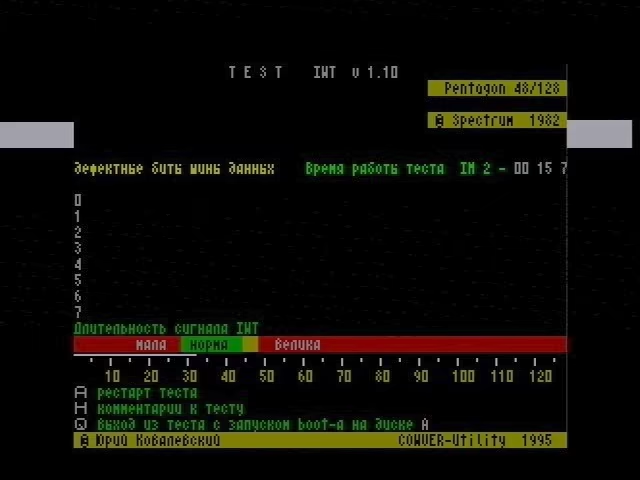
For the most popular model, the Pentagon 128K 2+ ATM (see later), the timing of memory and screen routines differed from the original ZX Spectrum 128K. After being considered the most common machine, this timing has become standard in both demos and games in the former Soviet Union. So programs that are sensitive to this, will not run perfectly on other clones that are compatible with Spectrum timing and, of course, nor on the original Spectrum machines. Better programs helped with this by using setup. Later, software with automatic machine detection and those that achieved compatibility with timing-insensitive encoding were appeared. Owners of other machines have often used switch-activated modding for the desired effect.
Because they were circulated as circuit diagrams, the appearance of each Pentagon machine may have varied greatly. Some of them were reminiscent of a traditional 8-bit microcomputer, and were also ones mounted in a desktop or tower case.
Their processors were first imported Z80A, B and H and clones, respectively. Then became the domestically produced but GDR Z80 clone, the U880 CPU variants, the Т34ВМ1, КP1858ВМ1/BМ3 and КM1858ВМ1/BМ3. Processors BM1 are based on NMOS and BM3 on CMOS. The latter is the rarest for Spectrums. KP and KM are referring to plastic and ceramic enclosures, respectively.
The starting point for the 48K machines is the Pentagon 48K clone Beta-128 with a disk drive and a three-channel parallel interface based on КР580ВВ55A, which can be traced back to the Lvov 48K. Then it was continuously expanded with modules that were no longer high-tech at the time, but could be produced with relatively cheap and simple technology. These include the 128K RAM expansion, the AY/YM chip, Kempston joystick interface, and more or less bug fixes and expansions for Beta-128.
While describing and documenting the story, a somewhat arbitrary standardization of nomenclature is also inevitable. My own names will be in italics and bold, and the machine names in the documentations and sources will be in normal type.
The very first machine, the Pentagon 48K, was born in 1989 in Moscow. Its constructor is Vladimir Drozdov (Владимир Дроздов), a well-known radio amateur who died in February 2017.
Logically following the sources and dates, clone production initially took place at the Zvezda factory (which until 1991 was called Zagorskij Elektromehaniceskij Zavod – ZEMZ) in the city of Sergiev Posad (formerly known as Zagorsk).
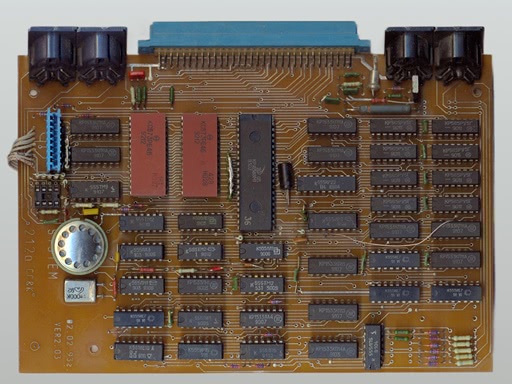
Let's review the chronology of events and the origin of naming. So Drozdov first designed the machine. Then ZEMZ's electrotechnical department (Agat-9), which was left without a state order, started preparing the production. (The color of the motherboard and the PCB wiring are clearly reminiscent of Agat computers.) Since all the clones that had appeared up to that point had brand names, it was necessary to find one for the new machine as well.
The name Pentagon was first used by hardware specialist Rozhkov Roman Anatolevic (Рожков Роман Анатольевич) in the summer of 1989. According to him, the "ancestor clone" on which the machine is based was developed at the headquarters of the Russian Ministry of Defense (i.e. in the "Russian Pentagon") or at one of its research institutes from the Lvov 48K clone, and Drozdov developed it on this basis.
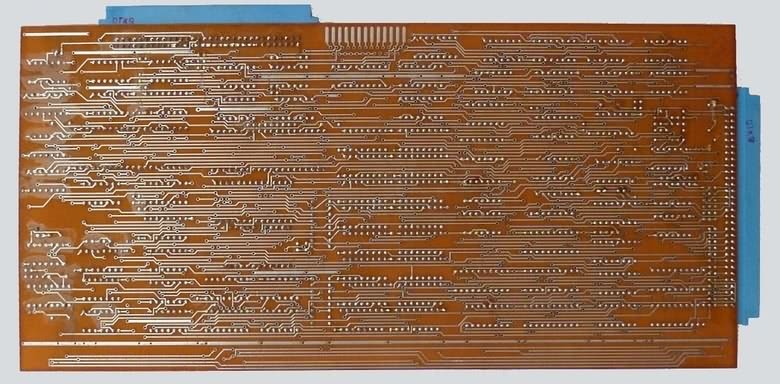
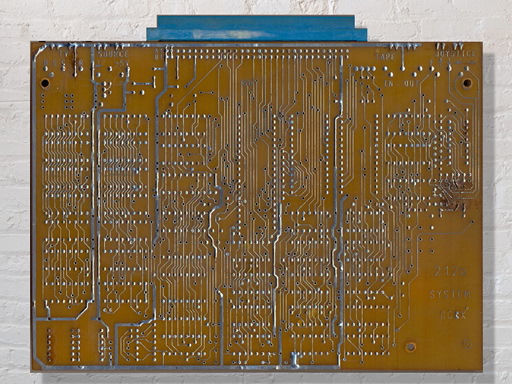
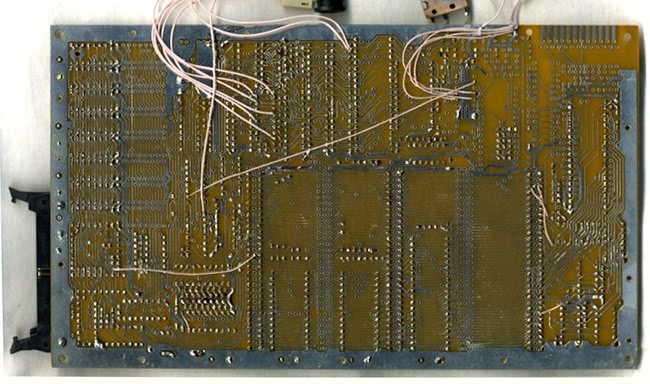
Another possible origin of the Pentagon name, is that the external wiring forms a regular pentagon on the computer side of the back of the motherboard. Konstantin Viktorovic Sviridov (Константин Викторович Свиридов, aka Conan) explained this version of the name origin in the August 1992 issue of Radio Amateur magazine. At the same time, he knew Rozhkov personally (they also worked together for a short time assembling various ZX clones) and therefore interesting that he did not mention the former version of the naming origin in the newspaper. In any case, in the age of the Internet, he already came up with this version too.
The clone was brought to the Moscow market by Sergei Sismincev (Сергей Шишминцев) with his friends, who were an employee of Zagorskogo optiko-mehaniceskogo zavod (Загорского оптико-механического завод), another company operating in the city of Posad. They used the nickname Sparka (Спарка - a computer paired with disk controller). Meanwhile, the designer created a 128K RAM expansion.
Since the Pentagon 48K was produced in small series, two enterprising youngsters, 'Dima' and 'Vologya', began to produce them under the designation Z01.90. [»], [»] The circuit diagram of these motherboards is slightly different from the original. [»]
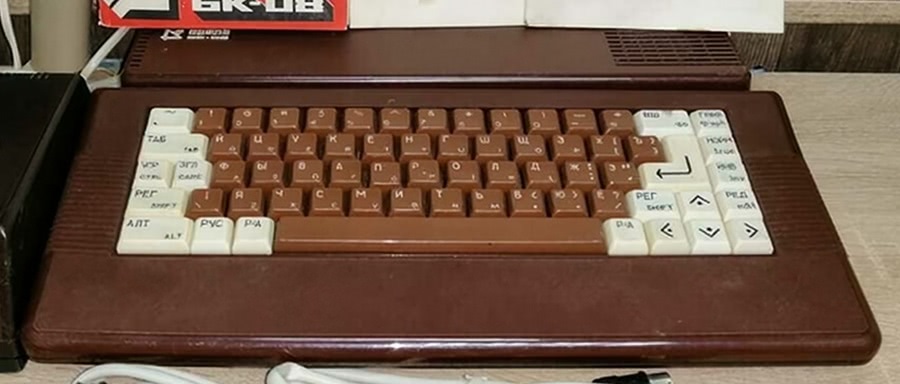
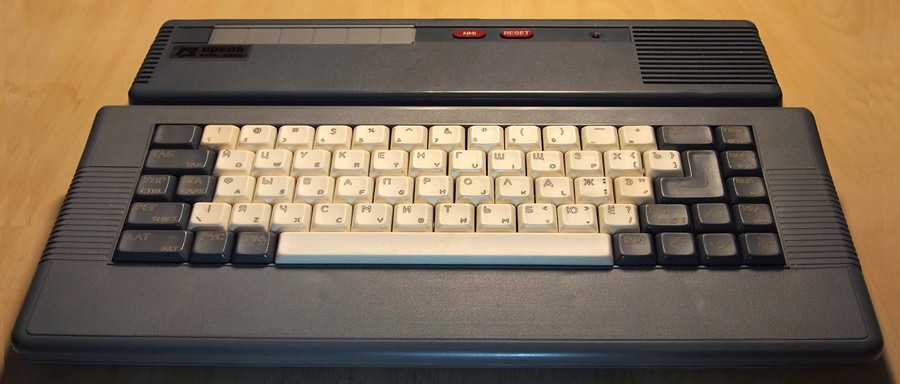
When the Pentagon 48K was ran out of production, the manufacturing company further developed the clone under the name Zvezda (Звезда) and produced it from 1991 to 1994, changing the machines every year. Their common feature, is that they are connected to the machine cases with a docking card, and that the components of the Beta-128/ КР580ВВ55A parts are not soldered in most cases (although there is also such a version).
The first version, released in 1991, was installed into the Agat keyboard, where the coverplate was adapted for the Zvezda keyboard.
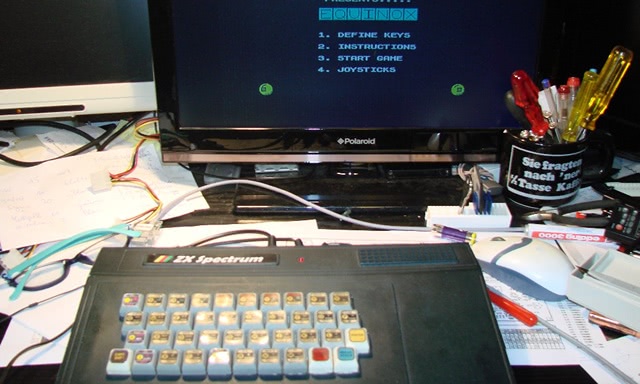
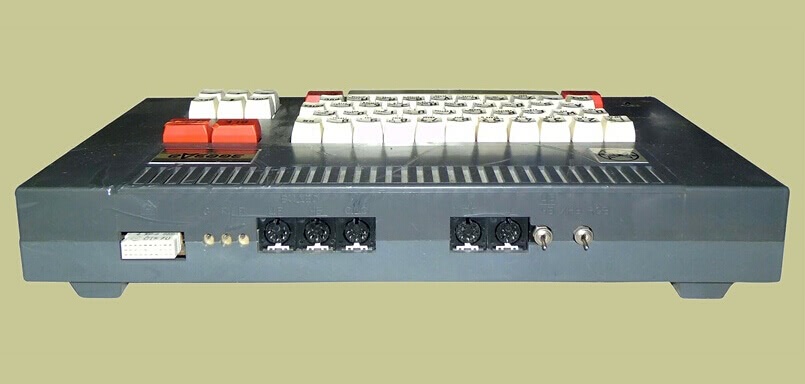
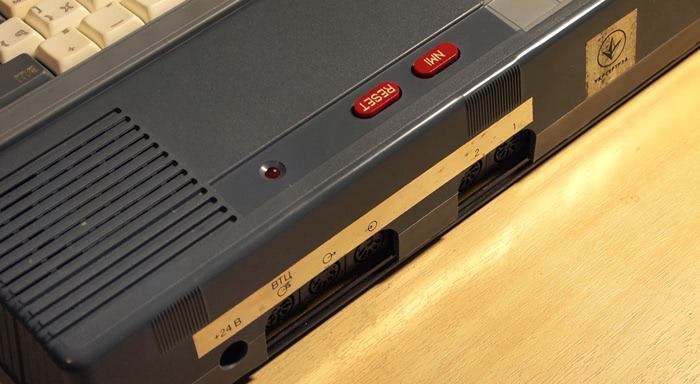
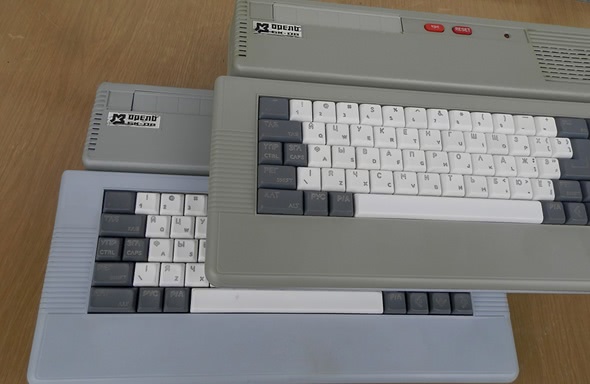
This was followed by Zvezda-001 in 1992. The numberless Zvezda was released in 1993. In the last year of production, the 1994 model was designated Zvezda-01. As for the chassis, the raised chassis of the Vector-06Ts computer was used here for the first time. Then the company built a very similar case of its own. The first version of it is dark gray, the second has a light color. In addition to the motherboard and docking-card, a full-fledged speaker was installed in these housings. The connectors are joystick, power supply, tape recorder, black and white, color TV and optional disc drive.
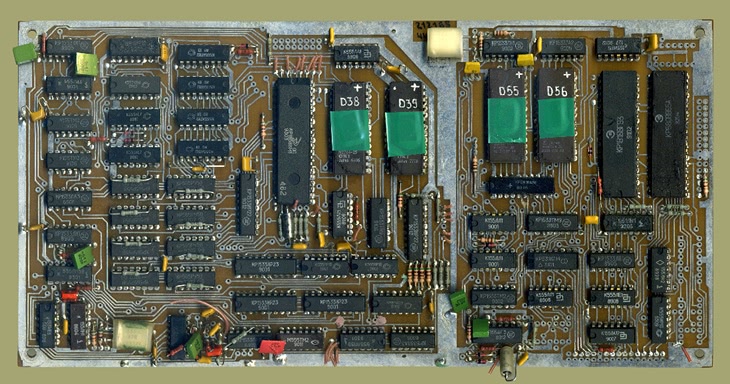
Starting in 1993, the top and bottom PCBs of the Pentagon 48K motherboard were reversed. This motherboard is darker - this is probably when they ran out of raw materials intended for Agats. The two motherboards are somewhat incompatible with each other.
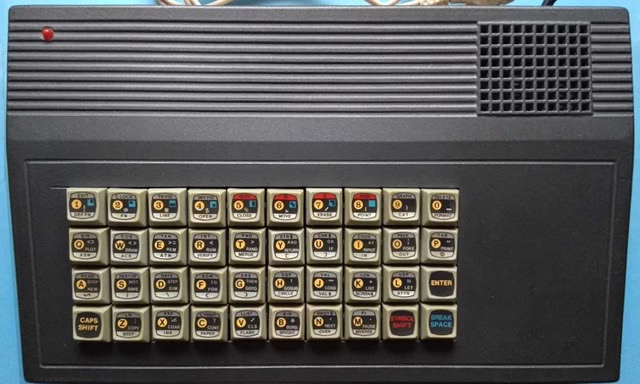
The keyboard has 52 buttons, where the plus keys have functions that can be accessed originally by pressing two keys together (for example, Del=Caps shift+0). Keyboards of 1992 had stickers, another years have concave, painted type.
The first ROM version is 4.91. This one was supported the Cyrillic characters, but the later 1992 one already not.
About 200 sets were produced, with high quality compared to ex-Soviet clones, without warranty problems. [»], [»]
Underneath, the Pentagon 128K was created in 1989 by unifying the Moscow 128K motherboard, the Pentagon 48K's Beta-128 interface (without its paralell port), and the optional AY/YM card. It was likely never produced in large quantities, and photo documentation is also nearly missing, only a single image-series available on the zx-pk.ru forum. [»] Its creator is the ATM company in Moscow. The abbreviation covered firstly the name Associaciya Tvorcheskoy Molodezhi (Ассоциация творческой молодёжи), ie Association of Creative Youth in Moscow and then changed to the Association for Technics and Microelectronics (Ассоциация техники и микроэлектроники), retaining the abbreviation already introduced. MikroArt also consisted of a similar team of young people in the capital dedicated to technology and science. They have been an independent company in the field of mechanical engineering and technical publishing since April 1992 and have been operating ever since.
In the production of Pentagons, the likewise Moscow-based Solon, along with the affiliated GrandRoMax (GRM) from Fryazino was also actively participated. Solon was a very universal IT company: distributing software, publishing literature, hardware developments: they were all part of his profile. They are still operating as a publishing company called Solon-Press. The official name of the partner company is GrandRomMax Independent Science-Manufacturing Laboratory of Computer Techniques, so the company has apostrophized itself as an independent computer research and manufacturing institute.
Clarifying the names of the various 128K Pentagons is impossible even by reading contemporary textbooks, documentation, journals, and diskmags. After all, even the same machine called differently in the individual advertisements and documentation, not to mention the confusion created by the common language and the pirated versions.
As there is no more transparent solution, it is worth dividing the 128K Pentagons into generations based on the analogy of the ZX Spectrum 128K, 128K+2 and 128K+3, supplemented by the name of the developer. The manufacturers also seem to have thought of something like this, even the names are similar - though they have not applied it at all consistently. For the years of launch, I took into account the first known advertisement used by the manufacturer and the year of the technical documentation. Where the year of manufacture and distribution may have fallen to the following year, I will also indicate it.
So. The already mentioned first generation 128K model (1989) is named to Pentagon 128K according to the outlined nomenclature.
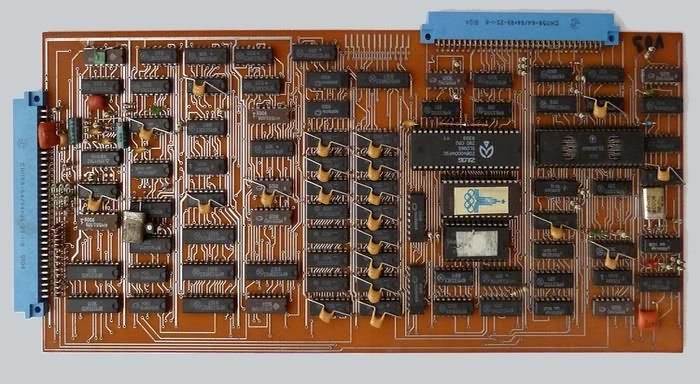
The second generation, the Pentagon 128K 2+, is an advancement of the previous model, incorporating the Beta-128 interface, along with its bug fixes, modifications, and optimization of the mainboard for mass production. (ATM ad: November 1990, distribution 1991).
The third generation, the Pentagon 128K 3+, has an integrated AY/YM and joystick interface (ATM: start of production unknown, but were certainly sold in 1994; [»] Solon documentation, GRM motherboard: 1993). Substantial hardware developments also came to end here with the advent of PC clones and the deepening recession of the ex-Soviet economy.
The last, the fourth generation of the Pentagon 128K 4+ means only reduced-size motherboards (Solon advertisment and GrandRomMax documentation: both in 1994).
In light of all this, the detailed evolution is probably to look like the following after the first-generation machine came out.
The most widely used clone has become ATM’s and MikroArt’s machine - as described at the beginning of this chapter. So this second-generation machine was launched in November 1990, taking account its popular names as Pentagon 128K 2+ ATM, the Pentagon 128K ++ ATM, the ATM-128K, Pentagon 128K/91 and ATM 1991 and the company's advertising habits, wide distribution could begin in 1991. Presumably, a smaller series already was appeared on the market by Christmas 1990. A horizontal blank line can be clearly seen on the PCB, which will play a role in the next series.
Beside the motherboard they also created their own AY-YM adapter card. This card must be inserted into the socket on the Z80 processor and contains the Z80 as well as the AY chip (all signals required for the sound chip control are on the Z80 socket).
Two modifications of the second generation ATM motherboard are known: the Pentagon 128K 2+ ATM Z1992 and the Pentagon 128K 2+ ATM Z1994. More than likely, it's the work of the duo mentioned at the 48K little bro.
The Pentagon 128K 2+ KIS is the second generation clone of the Kievskie Informacionnye Sistemy (Kиевские Информационные Cистемы) from 1994. The computer’s floppy drive has a built-in power supply, which provides power to the machine itself. The label ‘720K’ suggests that the system is compatible not only with TR-DOS but also with IS-DOS or CP/M.
Inside the computer case, there’s an integrated RF modulator, a beeper, and the AY chip on a separate mini-board. The use of patch cables, the insulating paper between the keyboard and motherboard, and insulating tape all indicate small-scale production.
About the Kiev-based clone manufacturer, we also know, that its director was Samojlov Jurij Ivanovic (Самойлов Юрий Иванович). [»], [»]
The third generation’s name for ATM is also Pentagon 128K 2+ ATM, but it is also known as Pentagon 128K 2.1, although its name is logically would be a Pentagon 128K 3+ ATM. Here, the AY chip and Kempston controller were integrated into the horizontal blank space of the previous motherboard. The sound chip operates at the non-standard 3.5MHz frequency. The use of a cassette recorder is no longer supported. The ZX Lprint III interface connector is also missing, but the controller ROM slot is still on the motherboard.
In case of Solon, addition to Internet resources, we can best rely on Solon's own user manual if want to dig deeper into the subject. It bears the title of ZX Spectrum 128K with noble simplicity and was released in 1994. What is certain, is that the screen and memory timing compatibility issues have been fixed to be compatible with the original ZX Spectrum. However, this is exactly why they lost, as by then ATM timing had become the standard.
Their entry model was called the Pentagon 128K. It does not include the AY/joystick part, but they can be soldered to the breadboard on the right side of the motherboard. The company itself has also offered such mini circuits. After all this, feel free to christen this model the Pentagon 128K 2+ Solon. Apart from the book ad and some forum comments, you can't find any reference to the machine or its accessories …
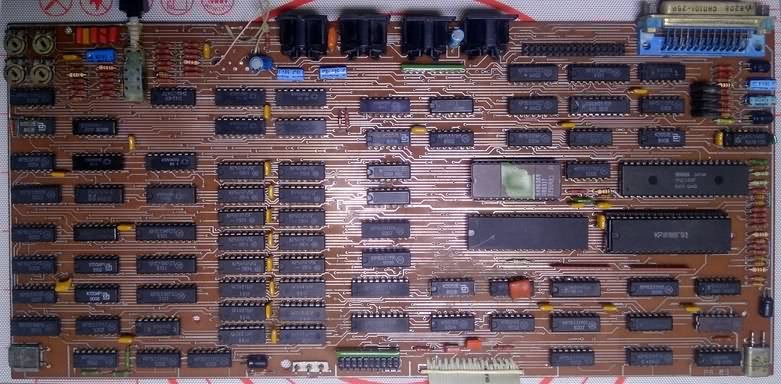
The names of the Pentagon 128K 3+ Solon are shown even more chaotic than before: it is known by the names of Pentagon 128K 2+ Solon, Pentagon 128K ++ Solon, Pentagon 1993, Pentagon-128 03, Pentagon-128K 1993g.
This motherboard is labeled PS.03 and is listed as Pentagon-128 03 in Solon's partner, Mikronix's advert in the book. The Pentagon-128K 1993g inscription is on the motherboard documentation. The size of the board is the same as the ATM 2+’s dimensions, Solon also refers to it as a Pentagon 128K 2+ machine modified by them.
Being as a third generation, the stereo AY circuit has been integrated here as well, and the joy interface already supports the Sinclair standard in addition to Kempston. We can connect both TV and monitor. DIN connectors are already on the motherboard. Thus, a pre-perforated aluminum connection plate must be fitted to the rear of the enclosures. A variant of the Beta-128 interface, the Beta Turbo can handle two drives here. The modding comes here from the Profi v3.2 clone (1991), which provides double speed. The power supply to the circuit has also been improved. This Beta-Turbo version is notoriously buggy by factory. If you write to a disc written on a turbo machine with a non-turbo machine, the contents of the disc will be destroyed. The final bugfixes appeared in issues 12 (March 1995: Vladimir Larkov - Владимир Ларьков) [»] and 14 (August 1995:Kirill Gromov - Кирилл Громов, Chung Software) [»] of the Spectrophone diskmag. The point is, that the write speed should be set to normal before starting write operations, not during it.
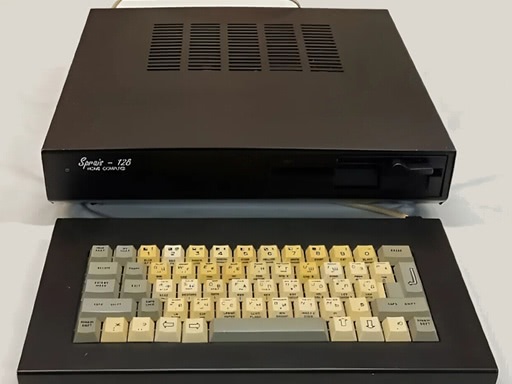
The Estonian equivalent of the Pentagon 128K 3+ Solon is the Sprais-128. It is the product of Gag Ltd. from Tallinn, the inscription on the motherboard is (C) 1993 DECA. Very probably was produced in a small number of series. [»]
In the book mentioned above, there is already an advertisement of a mini-tower case with the inscription ‘Spectrum 128.’ In reality, the fourth-generation PS-04 motherboard received a similar case, but it bears the Solon ZX Spectrum inscription.
This is not a typo, one motherboard uses a dot, while the other uses a hyphen to connect the type and generation designations. So even here, they haven’t reached consistent type labeling… Based on the previous information, we can call the Pentagon 128K 4+ Solon either ‘Pentagon-128 04’ or, according to the teaser in the mentioned publication, ‘Pentagon-128K 1994g.’ The shape of the board has changed dramatically, but the tangle of wires around the Beta-Turbo suggests the bug fix mentioned earlier.
The RU5 RAM chips were replaced by 8 pieces of 32K RU7, theoretically providing a total of 256K. However, in the factory configuration, the system only recognizes 128K. Presumably, due to the better reliability, power consumption, and cost of the memory chips were built into these bigger capacity modules. From here, it’s just a little modding needed from Steel Drugon, and the 256K Pentagon is ready. The modding appeared at the end of 2000 in the ZX Pilot#40 dismag. [»]
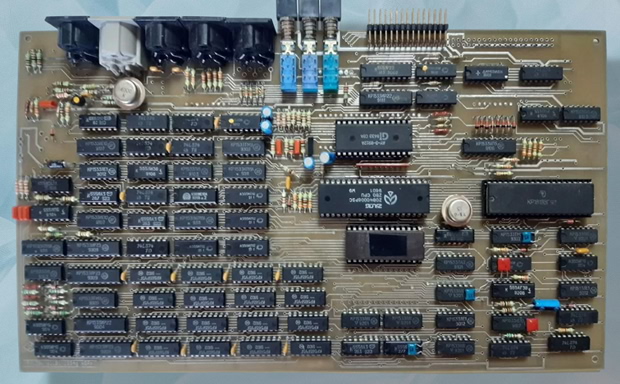
The GRM partnercompany have been redesigned the third and fourth generation machines since 1993. The DIN connectors integrated into the motherboard and the metal cover plates remain, the size of the board has of course been reduced.
Their first machine started its career as GrandRoMax 1. The board shows the 128K (1993g) inscription, so this is the Pentagon 128K 3+ GRM. It has become known as either GRM (1) or GRM-1.
A clone of this clone was released the following year, the Pentagon 128K 3+ SA [Pentagon P-128k V1.01 1994g SA].
The GrandRomMax Grandboard 2+ and the GrandRomMax Grandtower 2+ are two versions of the Pentagon 128K 4+ GRM. The first machine was marketed in the traditional 8-bit configuration, and the second as a mini-tower. They were built on a new, even narrower motherboard called GRM2+. The motherboard known in three public versions: v4: 1994, v5: 1995 and v8: 1996.
The machine took advantage of the full 64K ROM, with the 'Magic' button you can call the built-in Service Monitor, which is placed in the originally empty ROM-part of the Pentagons.
Unfortunately, these machines inherited the Beta-Turbo bug, which they tried to fix with the aforementioned fixes.
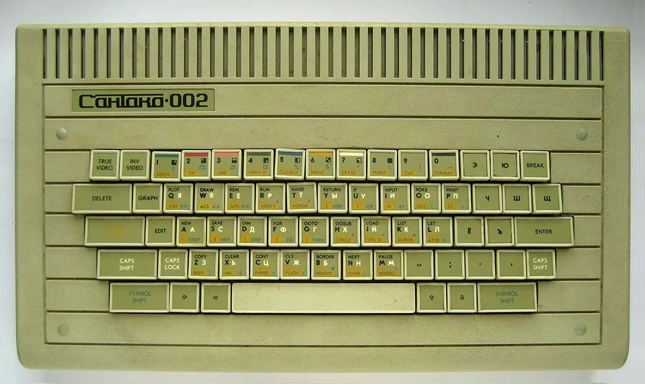
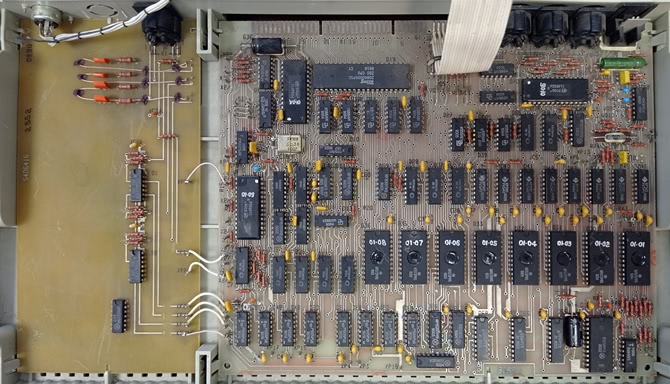
In 1994 or later, Evgenij Stepanovic (Евгений Степанович) and Sergej Anatolevic (Сергей Анатольевич) released a 128K RAM+AY+TR-DOS expansion called BC-1. The description covers the upgrade for the single-field machines, the Pentagon 48K, Baltik 48K and Leningrad 48K. For the two-field ones, it described for the Brest Byte and Santaka clones. This involves soldering RU5 chips on top of the original ones. The AY chip was placed on a separate card. The ROM expansion was optional. The expansion can be used with both 48K and 128K TR-DOS controllers. [»], [»], [»]
The maxing out of the classic 128K ATM Pentagon took place, oddly enough, not in the Russian capital, but in Kharkiv. Vladimir Mihajlovic Getmanec (Владимир Михайлович Гетманец, VMG, V.M.G.) was a hardware specialist active on Spectrum from 1990 to 1997. After leaving the platform, Konstantin Kovernikov (Константин Коверников (aka Evil Genius of Unicum Group) took over his role, but after about a year, he was also no longer involved in Spectrum. [»] , [»]
Among VMG's Pentagon 128K enhancements, the 512K RAM expansion, one of the implementations of 7MHz turbo CPU mode, the application of ShadowRAM (Russians call it cache), the 512x192 resolution, the no-wait in turbo mode (TurboRAM), Covox and Multiport mode stand out.
Multiport: a hardware modification, with which the RAM above 128K is managed according to the addressing scheme of other clones, thus achieving better compatibility with ATM Turbo 1, Profi and Scorpion clones.
Not specifically Pentagon, but general Spectrum expansions from VMG includes his own versions of AY and Kempston mouse, turbocharging the Beta-128, and fitting the AY chip to push the limits of Pentagon even further.
New graphics modes also appeared, which were almost without support at that time. These are the 256x192x16c, 256x96x16c, 128x192x256c, 128x96x256c, as well as 256x192 multicolor 8x1 and 4096 colors palette.
The main supporter of these expansions was the Enigma Group also from Kharkiv, who not only used the expansions in their programs, but also indicated their existence in a mini-sysinfo manner. Also related to this topic is the ZX Power diskmag, in which the local Spectrumists wrote about, worth to highlighting the United Coders Software in addition to Enigma. Above to hardware descriptions and wiring diagrams, programs using them were also introduced.
In games, end user softwares, demos and gifts from Kharkov using these hardware upgrades are also overrepresented. Can be also observed the widespread use of effects created by hardware devices of VMG and others, such as sound and image digitizers.
Gifts are special mini demos of the Russian Spectrum era. Its creators making 'electronic gifts' for another person or team, as well as on preeminent events.
↑date: 2025/01
New generation from Moscow
Pentagon 1024 SL
Development of the Pentagon 1024SL, the advent of modern clones was begin by Aleksej Sergeevic Zabin (Алексей Сергеевич Жабин, King of Evil, KoE; Moscow). It started as a school project work, for which was later joined by members of the NedoPC team, also in the capital city. Here we distinguish two main generations of the motherboards, which were manufactured in Zelenograd. The boards were available as blank PCBs or ready-made ones.
The Pentagon 1024SL v1. x, which was developed between 2004 and 2005, was based on the 1993 Pentagon 128K 3+ GRM.
The author's goal was to create a machine compatible with the timing of the original Spectrum, which ignores the innovations of contemporary super-Spectrums (ATM Turbo and Profi), offering the only extra in memory size. The addressing of one megabyte of RAM is compatible with the KAY 1024 clone introduced in December 1997 (the solution can be traced back to the Profi v3.1 clone released in 1990 October). Here it was solved with 1 SIMM module. In fact, the machine is also being apostrophized as a successor to KAY 1024. This is also supported by the fact, that it uses its bus system, the NemoBus, with two such slots on the motherboard. Hence the SL in the name. Since the processor is only a 3.5 MHz by default, the turbo signal from KAY machines is not found on the expansion slot either.
The Kempston mouse and joystick interfaces have been integrated, and the ZX Lprint III printer interface support has been implemented at hardware level. The latter is not outputted as a port, because it is not used by anything other than some old printers. The AY/YM chip had to be ordered separately, which sounds stereo when inserted. The Beta-128 system operates at turbo speed similarly to the GRM clones. In addition to the standard Spectrum screen, the machine also supports multicolor mode.
The essence of Multicolor mode is, that the Spectrum can be capable of handling smaller attribute area, than the original 8x8 pixels (with only one ink and one paper color is possible), such as 8x1, 8x2, 8x4, 4x1, 4x2.
The 2004 Pentagon 1024SL v1.0 was the prototype. The final versions, Pentagon 1024SL v1.4 and Pentagon 1024SL v.1.41, which were made in 2005 are the same in functionality, only differing in visuals.
Later, a member of the NedoPC team, Vadim Alekseevic Akimov (Вадим Алексеевич Акимов, Lord Vader, LVD) has added an extension to the series, which allows the machine to run at twice processor speed of 7 MHz.
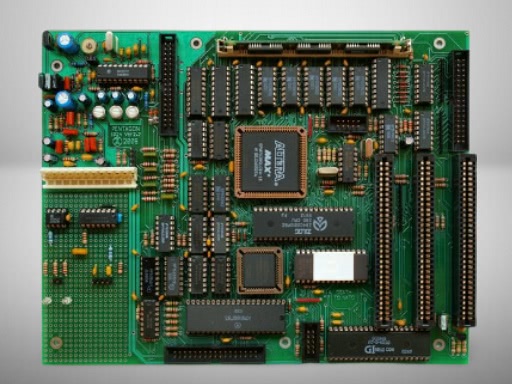
The development of the second generation of Pentagon 1024SL dates back to 2006. The initial Pentagon 1024SL v2.0 and Pentagon 1024SL v2.1 versions were replaced by the final Pentagon 1024SL v2.2, which premiered at the Chaos Constructions 2006 party in St. Petersburg at the end of August. The computer between 2007 and 2010 was the official machine of the ZX Spectrum division in DiHalt party in Dzerzhinsk.
The 1991 Pentagon 128K 2+ ATM is simulated by the Altera EPM7128 and EPM3032 CPLD' open source firmware.
RAM size is remained 1024K, but got the 3.5/7MHz turbo mode with a software selector installed as default. However, the creator disconnected the turbo from the Beta-128 in sync with ATM 1991 compatibility. Support for the ZX Lprint III remained partial here as well.
You can use either a monitor (VGA-RGB) or a TV (with a PAL / NTSC encoder) as screens. AY/YM audio output is from a 2x0.5 Watt amplifier via a stereo jack. It already has three NemoBuses and the motherboard can be bulit into a standard PC/AT case.
It got two new graphich modes for the suggestion os Dmitrij Mihajlovich Bystrov (Дмитрий Михайлович Быстров, Alone Coder, AlCo; Ryazan) made possible by the 7 MHz turbo mode. One is 256x192x16C, the other is the Pentagon Overscan mode.
The 16C mode contrary to its name, of course, uses only the 15 colors of the Spectrum on the base of the ATM Turbo clone. Its essence, is that any point on the screen can be any color, so we get a similar image to the EGA screen.
The Pentagon OverSCan extends the screen to the border area. All other features are identical to the traditional 256x192 resolution mode. It is extremely memory and processor intensive, as it handles the screen by cutting it into 9 slices.
A member of NedoPC, Dmitrij Dmitriev (Дмитрий Дмитриев, DDp; Izhevsk) made a number of improvements for the machine between July 2007 and September 2009.
TurboOFF is a hardware turbo mode switch. This is a very useful modding, as the turbo button is not standard on the machine, because the normal/turbo selection signal is inside the FGPA.
The 4096 color palette modding increases the palette to 4096 colors. This expansion has also been released for the ATM Turbo2+.
Some of DDp's firmware contains some changes, bugfixes, and some new features. The first group includes the PAL encoder bugfix, changing the turbo mode with or without Beta Turbo, restoring the screen timing of the original ZX Spectrum (i.e. the 1993 Pentagon GRM/Solon). For the second, the (hardware) 256x192x16C, 320x256, 512x192 resolutions, hardware multicolor, and the GigaScreen mode, which can be combined with each of prevoius.
GigaScreen means two screens that use the same graphics but different colors. By changing them quickly, we can theoretically manage 127 virtual colors.
It is also possible the 'downgrade' to a simple Pentagon 128K + AY config.
The Z-Controller was released in 2007, designed primarily for the above machines, but can be used with any clone with NemoBus. It was debut at the DiHalt 2007 party in June. The card is built around the Altera EPM7128SLC84 CPLD and КР1878ВЕ1 microcontroller.
It has a PS/2 compatible keyboard and mouse (Kempston Mouse), IDE (NemoIDE compatible) and SD card connectors.
For the Pentagon 1024SL v2.666, the goals were to banish obsolete components from the previous generation, create a flexible architecture, and keep the Pentagon 128K 2+ ATM compatibility.
The processor has become a Z80-compatible Z84C0020VEC at 20MHz, but the Altera Cyclone II EP2C8Q208C8N FGPA also emulates a Z80-compatible T80 core ticking up to 28MHz. The FGPA firmware also included the KR1818VG93 floppy controller and the Turbo Sound codes as well as hardware mp3 decoding.
The first version of Turbo Sound was released by the Power of Sound team in 1995. The essence of innovation is to use two AY-chips instead of one. Therefore now we can have six channels music.[›]
With a combination of the virtual and real processor, the machine can run at 3.5MHz and 14MHz beside the 28MHz mode. The size of the SRAM memory is freely configurable from 512K to 2048K, ROM size has become 512K. Of course, it is also possible to use a specified slice of RAM as Shadow RAM.
Peripherals are controlled by a 16/32-bit ARM LPC2294HBD144 controller. The image is obtained via VGA-out with a maximum resolution of 800x600 with 256 colors.
The Ethernet part is based on the RTL8019AS chip. It also has a PS/2 mouse and keyboard connector, an SD card port, and a Nemo-compatible IDE controller - thanks to the integration of the Z-Controller introduced earlier. The firmware can be updated via the SD card. A real-time clock was also integrated on the four-layer motherboard.
Can be interesting, that the board was flawless at first, so the prototype v2.665 was renamed and became the final version. The development between 2007 and 2008 was unveiled at the ArtField 2008 party, so it was brought by the Santa.
The Pentagon 1024SL v2.666LE (light edition) motherboard omitted the Z84 CPU and the Ethernet controller, and the DAC of the video circuit was changed. In order for the significantly more cost-effective two-layer production to take place, either the real CPU or the bus system had to be abandoned. KoE of course opted for the former. Peripherals are controlled here by an ARM LPC2368FBD100. This motherboard was make its first debut at the DiHalt 2009 party in July.
The significance of the v2.666 machines, that they were the first ZX Spectrum clones to integrate the controllers of contemporary PC peripherals onto a single board.
In August 2015, the Pentagon 1024SL v2.666 Space Version was released, of which all components are Russian-made. The two FGPAS are Russian analogues of Altera EPF10K50RC240, type 5576XC1T from the company Voronezhskogo Zavoda Poluprovodnikovyh Priborov (Воронежского Завода Полупроводниковых Приборов). The microcontroller, designated 1986ВЕ91Т, is a product of PKK Milandr (ПКК Миландр), its closest western counterpart is STM32F103x. The north bridge controls the IDE and CPU RAM, the south one the VGA and video RAM. The microcontroller loads the codes into the FGPA at boot and manages peripherals such as keyboard, mouse and USB. All components are at least 'Russian class 5', so the motherboard can be used on land, water and in the air, even in military missions. [»]
Pentagon v.2.666 Final Edition is the final version from 2023 as its name suggests. The central unit of the dual-layer motherboard is the Altera EP3C40Q240C8N FGPA. The emulated Z80 processor at 3.5/28MHz, YM2149 and Turbo Sound were realized in it. The plans also include the implementation of the General Sound sound card and MP3 decoder. There are 2x8 megabytes of SDRAM on board. The LPC1857JBD208 microcontroller from NXP Semiconductor company is responsible for controlling the peripherals. The PS/2 and USB keyboard; mouse connectors, the real-time clock, the double microSD card slot, and the Ethernet and USB connectors are located on the motherboard. Among the classic control ports, Kempston joy, double NES and Genesis gamepads can be used. Standard ZX Spectrum, ATM and 256-color VGA modes up to a resolution of 800x600 can be displayed through the VGA and HDMI outputs. There are three ZXBuses, and as an extra gag, a Z80 processor can be soldered in empty, of which legs do not lead anywhere... [»]
Collected firmwares and schematics are and available on KoE's GitHub, [»] as well as on the original support page. [»]
ZX Evolution
The ZX Evolution (ZX Evo) clone was created in 2009 by NedoPC. The machine is the spiritual successor of the Pentagon 1024SL v2.x and ATM Turbo2+ clones. Both the hardware and software parts of the project are fully open source.
The list of developers: the already mentioned LVD and DDp, Roman Valerevich Chunin (Роман Валерьевич Чунин, CHRV) and Vjacheslav Valerevich Savenkov (Вячеслав Валерьевич Савенков, Savelij, Savelij13; Sukhinichi - the latest involved only into software development).
During its development, the name Pentevo (Pentagon Evolution) was used, which later became the default firmware name (the firmware is also known as BaseConf).
There are three main revisions of the motherboard: A, B and C. The first of these is the experimental, prototype version – considered as a tradition in the team's development.
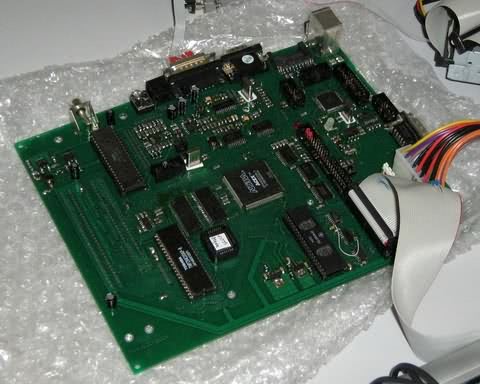
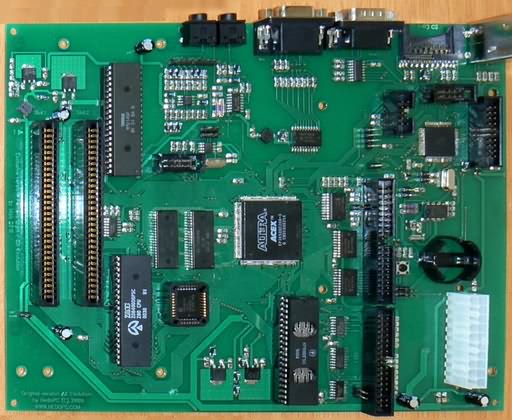
The ZX Evolution rev.A version debuted at the Chaos Constructions 2009 demo party in late August. The microATX motherboard features the Pentagons' three main chips, a Z80-compatible processor (in this case a 3.5/7Mhz Z840008PSC), a Beta controller (KR1818VG93), and a YM2149F sound chip along with 4 megabytes of RAM and 512K of FlashROM.
The other components of the Pentagons are simulated by the Altera EP1K50 FGPA, while the peripherals are controlled by the ATMEGA 128 controller.
The motherboard, which can be mounted into AT, ATX or microATX cases, comes with PS/2 keyboard and mouse connectors, a single-channel IDE controller, SD(HC) memory card reader, RS-232 serial port, audio in/out connectors and a real-time clock. Both AT and ATX standard power connectors are included, along with two NemoBus slots.
For the Spectrum devices, the Kempston joystick, the original keyboard and cassette unit connectors have been integrated.
In terms of display, there is a choice of Scart compatible RGB, integrated PAL encoder with composite and S-Video outputs, and a VGA output.
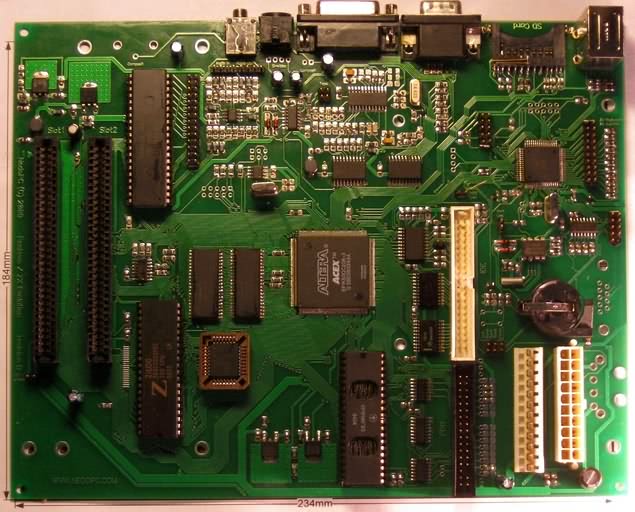
For the ZX Evolution rev.B, in addition to the certain bugfixes, the motherboard size has been reduced. The processor has been changed to the 20MHz Z84C0020PEC running at 14MHz.
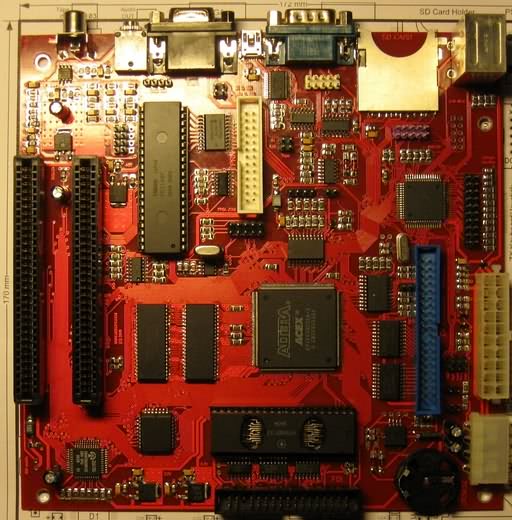
The ZX Evolution rev.C miniITX motherboard is powered by the Z84C0020FEC processor. The AT power and RGB connectors have been removed, as well as the PAL coder (which can still be connected as an external peripheral). However, it got an AY-printer interface, 3 audio inputs and an RS-232-USB bridge with Micro USB output. From this machine, dates the joining of Vitalij Mihalkov (Виталий Михалков, MV1971, tetroid; Novoszibirsk), who took over the production of the motherboard. The colours of the PCB are known to be tetroid red, black and yellow. Currently, the rev.C4 board is available in red and black.
Mihail Tarasov (Михаил Тарасов, Mick; Kaluga) made the Pentevo Light board in July 2011 (the PCB still bears the 2010 date). Mikhail's goal was to study the programming of the FGPA in VHDL and Verilog, while making some cosmetic changes to the machine. For example, the cassette unit and audio connectors were moved to a different location, and the machine uses a SIMM memory module. The RGB output and the AT power connector have also disappeared and only the VGA and ATX remains.
↑date: 2024/08
Pentagons of the Internet era
After learning about the clones that can be connected to specific teams and individuals, we move on to the world of Internet forum development, where the active forum members are working together to develop newer and newer variants.
To identify the machines, I thought it would be useful to introduce the following nomenclature after reviewing the forum posts, technical and photo documentations. The initial base machine name is followed by the "mod.year" tag, then the nickname of the main constructor. In order not to disturb the reading, the inscription of the motherboard, which is only found on 128K motherboards, is added at the end of the paragraph.
Pentagon 48K remakes
The reconstruction of the Pentagon 48K was started with scanning the motherboard by Ovvnex from Kursk, who made the Z01.90 motherboard public in April 2008. [»]
The first modern Pentagon is attributed to Moscowian Aleksej Sergeevich Zabin already known from the previous section. The Pentagon 48K mod.2008 King of Evil motherboard is completely authentic, the color and shape of the PCB and the components are also reminiscent of the original. It was made as an experimental series, so it was not given a protective coating for economy reasons. [»], [»]
After that, Ivan (Иван, Kurgan) created the SprintLayout 4.0 wiring diagram of the clone in July. [»]
A few years later, in June 2012, the bug fixes of Moscow-based Abramov Mihail (Абрамов Михаил, aka Mdesk) were published. [»] The hardware guru flagged, but did not fixed the errors on Ivan's board. Heiniken from Gomel, Belarus was joined to the bughunt in September, as a result of which the new version of the motherboard was born. Some discussion preceded the use of SMD components, but in the end the original, through hole Pentagon 48K mod.2012 Heiniken and Mdesk design was completed. [»]
This version was bugfixed and slightly improved by Sergej Bagan (Сергей Баган, prusak). The final version of the Minsk motherboard is the end of March 2013. [»]
Pavel Rjabcov (Павел Рябцов, i.e. Paul; Kineshma) has also released the clone of Heiniken and Mdesk in his chipkin.ru online store. From Saint Petersburg vitsserg bought such a motherboard and fixed it at the end of 2018. [»] Paul has of course applied the bug fixes and the new motherboard is already based on the Pentagon 48K mod.2018 vitsserg version. [»]
Kurgan's Dmitrij Glen (Дмитрий Глень, aka gdv2002) initiative from April 2022 is to create the compact Pentagon 128K on 48K basis. The essence of the very remarkable innovation is that it replaces the RU5 memory chips with the RU7 type, and the AY chip would have been replaced by the КР580ВВ55 chip. The initiative based on Prusak's foundation was unfortunately abandoned. [»]
In February 2019, shock__ (aka Shockwav3) from the German capital came out with two expansions for the Pentagon 48K. The first was the MIKAY128 interface. [»] Unlocking of the acronym: "Mem-INT-Kempston AY". So, simultaneously expand the memory to 128K by replacing the RAM chips, change the timings to Pentagon 1991 ATM, and add a Kempston interface and AY chip to the computer. The other is Profi Stereo Covox and Kempston interface. This connects to the three parallel I/O ports of the KR580ВВ55. Two channels address the left and right channels of the Covox according to the Profi scheme, i.e. on ports #3F and #5F, the remaining channel is for the Kempston joystick on port #1F. [»]
Pentagon 128K remakes
The Pentagon 128K mod.2010 molodcov_alex green motherboard's main developer is Aleksandr Molodcov (aka Molodcov Alex, Kolpino). Compared to the original, the right edge here allows for the installation of pre-made extensions: the AY-Kempston combo interface and the NedoPC PAL encoder.
The power supply wiring is thicker than the 1991 original, and the Beta-128 interface has two extra diodes for more stable operation. There were two versions: the first board had about 10 bugs, the second (rev.02) reduced them to 3-4. The motherboard is labelled Pentagon 128k 1994 restored by Molodtsov Alex 2010.
The aim of Pentagon 128K mod.2011 Zorel project was to produce a classic, yet flawless ATM Pentagon for the 20th anniversary of its birth.
Therefore, the then known bugs of the previous motherboard were fixed by Aleksandr Korovnikov (Dnyipro; Ukraine) with the help of forum members. He also cut off the AY/Kempston's and Pal encoder's place. This gave a very similar look to the original Pentagon motherboard.
The printer ROM has been banished, but the floppy and power connectors have been made to be standard on the motherboard, which is also green. The keyboard, RGB, beeper, reset button and cassette unit can be connected via a 64-pin header.
In addition to the first version in 2011, in the next two years also received bugfixes, so the Pentagon 128K mod.2012 Zorel and Pentagon 128K mod.2013 Zorel board was born. The boards have the following inscriptions, the last digit of the year is of course changing: PENTAGON - 128 -REV201x-.
The Pentagon 128K mod.2014 mick_and_solegstar motherboard was designed by the well-known Kaluga-based Mihail Tarasov and Oleg Starichenko (Олег Стариченко; Kharkiv; Ukraine).
The red-coloured motherboard has the AY and Kempston interfaces integrated. The typical capacitors of Pentagons are mounted in SMD form on the backplane.
There is a second floppy port with a separate power connector. The power wiring has again been improved. Both the printer port and its ROM have been removed. The former was replaced by the AY-chip output, the latter by a jumper-activated test ROM.
The 64-pin connector line is also provided, and a keyboard and mini-card for connecting the Sinclair joystick, developed by Vitaly Mikhalkov, have been added. It is also compatible with the Zorel's base board, not just with the Pentagon 128k (91) modification 2014 board.
In 2015, Mikhail Tarasov made yet another version of the Pentagon 128K. The Pentagon 128K mod.2015 mick motherboard doesn't contain any extras compared to the previous one, only bugfixes. The board is labeled Pentagon-128 Designed by Mick 2015. Fortunately, the year of manufacture has been added to the PCB on these. Thus, "2018 Blue Edition" and "2018 Black Edition" each denote a new series of the motherboard, with colors now optional in the spirit of customization.
The last member of the project is the Pentagon 128K mod.2018 mick.
In May 2019, elker from Orsk was announced the small-scale production of the GrandRoMax 1 mod.2019 elker motherboard. [»] The board fits into the Delta-S clone's case after some modding. He also did some minor tunings on the circuit board. The ROM size has been increased, the Beta-128 has been turbocharged. The latter was done based on the publication of On-Line #10, released in November 1995. [»] Both the ROM sets and the normal/turbo Beta-128 modes can be selected by jumper.
The bus has 2.54 mm pin spacing, and the power circuits has been improved. The VGA to PAL converter from zst can be connected to the motherboard via pinboard. The buglist has been published, but unfortunately the wiring diagram wasn't.
With the first wiring diagram of the Pentagon 128K mod.2023 gdv2002, the Kurgan constructor appeared at the zx-pk.ru forum in June of 2023. [»] The motherboard is based on the 2014 version with several modifications.
The 7 MHz turbo mode was introduced based on VMG's scheme. The motherboard received a Nemo bus, which is positioned between the motherboard and the Beta-128 interface, following the pattern of Compact clones. The audio amplifier comes from the ZXM-Phoenix. The video output, through dedicated pins, is suitable for installing a PAL encoder or VGA scandoubler. The 5-12 volt converter needed for the VG93 was provided by the Scorpion circuit, and the Beta-128 also received some bug fixes. The wiring of the motherboard changed, allowing for the implementation of a mini and a regular-sized stripboard.
The test ROM disappeared, as did the second FDD connector. The floppy drive power connector is also missing from the motherboard.
Both the Reset and Magic buttons are present on the board.
A bug-fixed version of the schematic appeared two days later. [»] In this version, every small IC received blocking capacitors. Additionally, the power wiring was duplicated, with the main power line running on both sides of the motherboard.
The development, for which was joined Aleksandr Evdokimov (Александр Евдокимов) from Saint Petersburg, was transferred to Telegram. The Pentagon 128K mod.2024 gdv2002 and Aleksandr Evdokimov was already born here.
Proboterror, who joined to the Telegram group, was build his peripherals on open-source projects for the above machines, and he himself has also made the KiCad wiring diagrams and firmwares available for free access. The first of the two accessories is connected to the side Pentagon connector, the second to the ZX bus.
The Pentagon 128K mod.2023 and 2024 interface board started at the end of 2023 and was completed by April of the following year. Built around the ATmega168PA-AU 8-bit RISC AVR microcontroller, the expansion offers standard I/O connectors. These include a Scart-out with VGA connector, a Kempston compatible Sega Megadrive gamepad, and a PS/2 keyboard port, stereo audio output, and in and out of the cassette unit. All above that, the 5 volt power jack connector is present. It is also possible to power the floppy drive (or an emulator) from this card. The standard VGA output can be implemented with soldering the optional RP2040-Zero microcontroller board. The latter expansion is based on the Алекс Екб's circuit, but due to lack of space, the Raspberry Pi Pico was replaced with Zero.
The development of ZX-BUS Kempston Mouse Controller for Pentagon 128K mod.2023 and 2024 started after the completion of the previous interface. The controller supports a three-button roller mouse. The card was implemented with the help of the ATMega8 microcontroller and the Altera EPM3032 CPLD, modeled after the nextly mentioned Deltagon clone.
Deltagon 1024K Turbo is the variant of Pentagon 1991 for fit into the Delta chassis. Its chief designer is Evgeny Korolev (Евгений Королёв, aka djking26, djking) from Stavropol.
The maximum RAM size is 1024K, which can be changed to 128K using a jumper. This is accompanied by 32k cache, which can also be deactivated. 3.5MHz standard and 7MHz turbo modes are also selectable.
It is possible to reset to service ROM. It is also possible to invoke it directly with the magic button in addition to the reset. Next to the reset/magic combo there is NemoBUS, which can also be set to Scorpion compatible mode with a jumper.
As mass storage, on the first hand, it uses a simplified Gotek/Beta-128 system that supports two drives. These can be Gotek emulated devices or real floppy drives, latter one supported by a power connector. NemoIDE is also present, designed primarily for Compact Flash cards. With a jumper can be optionally set 5 volts power for these cards via the IDE connector.
The Kempston joystick and mouse can also be used in turbo mode.
The screen has HDMI output, Turbo Sound and Stereo Covox based audio are connected by a 3.5 jack, the simplified cassette unit input is also has the same type of connector. The power input is USB-C standard on version 1.5 meeting the modern requirements. Below the logo, formed by combining the delta and pentagon symbols, is the inscription Делтагон can be read.
From Moscow, Alex Podlesnov's development is the Pentagon 128K mod.2024 AlexP, or as he is called the Pentagon Slim. [»] This project was based on the 2014 Pentagon model. The goal of the development was to create a compact, cost-effective machine that could be easily assembled from readily available components. To achieve this, Podlesnov redesigned the wiring, eliminated the side connectors, and used a ‘sandwich’ structure. This design allowed installation of a custom extended keyboard and optional components like the Gotek Slim floppy drive emulator and the RGB-VGA converter between the keyboard and the 31,2x13,5 cm motherboard. The first batch of motherboards, which proved to be bugfree, made in 15 units. Sound output is also available through the TV out DIN connector, which mutes when a 3.5 mm jack is used. An extra-wide power wire and blocking capacitors on the back of the ICs are ensuring stable operation.
The final version of the motherboard is v1.4 from February of 2024. Here the Molex power connectors were replaced with USB-C on both sides. RU7 memory modules now can be used instead of RU5. Jumpers on the back of the motherboard allow for selecting the appropriate RAM configuration: either 16 RU5 chips or 8 or 16 RU7 chips. The updated motherboard also features an additional FDD power connector and a reset button. Several minor bugfixes were also implemented. The removal of the Molex power connector necessitated a 5V/12V conversion for the Beta-128, achieved through a mini-circuit mounted on the back or using the CKCS-BS01 board.
The keyboard card, which connects via a 10-pin and 26-pin header, includes 16 extra keys. The system is based on the 1991 scheme from the Taganrog Radio Engineering Institute. The extra key codes are stored in the 27C64 EPROM. The keyboard card measures 31.2x10.5 cm and can be attached to any version of the Pentagon Slim motherboard using six screws. It features Tape in and out connectors as well as Sinclair and Kempston interfaces. The motherboard's own type designation is ZX Spectrum Pentagon-128 and ZX Spectrum Pentagon-128 Slim (the latter from version 1.4).
The Moscow doc_fbi published the idea of a Pentagon with SMD parts in June 2024. The Pentagon 2014 is also the basis for this, so far the DeepTrace wiring diagram has been created. The motherboard has an integrated NemoIDE controller. The composite image is provided by the AD724JR RGB-PAL encoder. The signals from the PS/2 keyboard are translated by the ATMega 48 microcontroller into ZX Spectrum compatible. The entire system operates at 5 volts, the 12 volts required for the Beta-128 are converted by the MC 34063ADG DC-DC switching power controller. In the spirit of compactness, the AY-3-8913 chip was chosen by the constructor. The also processor runs in 7 MHz turbo mode, the RAM size is 1024K. [»]
The Expansion board for Pentagon 128K was born in January 2018 from the design desk of Evgenij Lobodin (Евгений Лободин, JV-Soft, Jamy; Harkov). The constructor was a member of the famous Kharkiv Enigma Group, who actively participated in testing the developments of VMG.
His expansion is an all-in-one add-on card that have to be inserted into the socket for the CPU, ROM and one of the RU5 memory chips. This way, the number of unnecessary wirings has been reduced.
The card combines familiar Pentagon add-ons with the exception of new screen modes, which are much easier to implement on the motherboard itself.
The Turbo Sound section provides six-channel music with two AY/YM chips. This is a bug-free version of the original circuit, which was buggy in the Digital Studio program. It is also possible to use a single sound chip, in which case you get the standard ZX Spectrum 128K sound.
The two channels of the stereo Covox are on ports #FB and #7B. The NemoBus was added primarily to connect the General Sound sound card. And the integrated preamp can be used to set the volume mix of beeper, Turbo Sound and General Sound.
General Sound (abbreviated: GS) is a development by the St. Petersburg-based X-Trade Group from 1997. One of the most complex peripherals, primarily designed for playing Amiga modules. However, the 12MHz Z80 processor and the 128/512K RAM theoretically allow it to be used as a sort of co-processor, meaning it can take over certain calculations from the Spectrum CPU. Moreover, it can even share its memory with the ZX Spectrum. However, very few programs take advantage of this feature.
The memory size can be 512 or 1024K, by soldering one or two 512K SRAM chips. You can of course disable the expansion, in which case you get back a 128K machine.
The Z80 processor's 7MHz turbo mode gives a speed increase of one and a half times without using 32K of cache memory, and twice as fast when cache memory is enabled.
In addition to the standard 64K Pentagon firmware, alternative ROMs can be burned into the 256K CMOS Flash memory of type 39SF020.
The Kempston joystick interface has an autofire option, the IDE controller is based on the NemoIDE. In addition to all this, the card also includes some of the usual Pentagon 128K bugfixes. The project is still in the process of being updated.
Pentagon 1024SL remakes
Black_Cat from Saint Petersburg came forward in October 2015 with the proposals for the modifications and bugfixes of Pentagon 1024k v1.4 [»]
In addition to the simpler moddings, on the one hand, with integrated microcircuits on the mounting we can improve compatibility and expand the machine. On the other hand, he envisioned a mini-expansion card with a CPLD, which would have been installed on a third Nemo bus. In addition to the descriptions, he also draw wiring diagrams.
Among the changes worth to be noted, there are the reset to service ROM, the RAM and ROM manager bugfixes, the 2 megabyte RAM expansion. The replacement of the mouse connected to the obsolete RS232 port was carried out according to the PS/2 standard of Kamil Karimov (Камиль Каримов, Caro). The joystick and printer became port Scorpion standard. The latter is important due to the use of Covox. The timing of memory and screen routines was made to be Pentagon 1991 compatible, the Beta-128 turbo bugfix based on the discmag article of Spectrofon#14 - for this modding required the few discrete circuits on the breadboard.
Some new graphical modes could also be implemented in the CPLD: Timex HiColor/BC HiColor; Timex HiRes, BC HiRes, BC & Timex HiRes, as well as the BC FlashColor and BC contour sub-modes.
In addition, a few other bugfixes have been presented on the forum.
Based on all this, by February 2017, the planned specifications for the Pentagon 2048k v1.5 motherboard were published. [»] The target was ZXM-Phoenix compatibility with Pentagon 1991 timings.
He was designed the compatibility with the following machines: ZX 128K/128K+2, Pentagon 128/256/512K, Scorpion 256/1024K, KAY 256/1024K with Nemobus, Profi 1024K and of course the ZXM-Phoenix 2048K.
He envisioned the construction in the spirit of the 'DIP Punk' concept. That is, the DIP, SOIC, PLCC, QFP encapsulated microcircuits are soldered on the top of the motherboard, the same type of components and the optional CPLD are soldered on the bottom. The use of FGPA is not allowed.
The microATX standard motherboard would have intergrated Caro's mouse and keyboard controller, the Beta-128 and NemoIDE. The partial NemoBus implementation would have been compatible with version 1.2. According to its specifications, it is possible on the one hand, to reconfigure the host machine's RAM into any Z80-based machine through the expansion card, and on the other hand, to expand or replace the memory soldered to the motherboard. In principle, it could able to address 4 megabytes, with Northwood's Pentagon memory manager to be mentioned later.
Based on the above plans, in June 2017, Pavel Rjabcov (Павел Рябцов) from Kinesma made a diptrace wiring diagram of a clone for ATX housing. The machine, which also remained on the design table, received a double SIMM-slot and PAL-Coder [»]
Aleksandr Pasenko (Александр Пащенко), i.e. Northwood (Dnipro, Ukraine) in March 2016 embraced the Pentagon 1024sl v1.4 upgrade initiative at the TS-Labs forum. [»]
The main forum of the initiative soon became the much more popular zx-pk.ru. < a href="https://zx-pk.ru/threads/28489-pentagon-1024-4096-ot-northwood.html?p=938926&viewfull=1#post938926" target="new">[ " ] And with Black_Cat he shared the experience of the development on the host's forum. [»] This is how Northwood's Pentagon got NemoBus version 1.2 instead of 1.0, and Black_Cat's machine got the previously mentioned 4 megabyte memory manager.
The planned clone is called Pentagon 1024/4096k Northwood, referring to the creator and the size of the RAM. The main novelty of this, is that in addition to the four NemoBus, it also has an ISA connector. The latter was added due to the connection of the modem to make it easier to exchange data between the machine and the PC. The scheme is based on by Mikhail Kondratev's (Михаил Кондратьев, MI&DI Ltd.) wiring diagram from the mid-'90s.
The memory and screen timings are fully compatible with the 1991 ATM Pentagon, but can also be switched to the 1993 Solon as needed. The picture can be viewed on both NTSC and PAL TV.
The memory size can be 1 or 4 megabytes using 1 piece of SIMM 30 module. It is possible to completely turn off the expanded memory and use it as a 128K Pentagon. In addition to the Pentagon, it is compatible with the memory management of KAY, Profi, Scorpion and ZXM-Phoenix clones. It is possible to use them on a hybrid at the same boot. So, there is no need to restart the machine, for example, when we want to switch from Pentagon to Scorpion compatible memory management mode. As long as memory allows, these modes can be initialized in parallel. The size of the memory slices can be 128, 256, 512, 1024, 2048 or 4096. By splitting the memory into parts, it is also possible to use pseudo-multitasking.
Of the total 128K ROM content, 64K can also be used as Shadow RAM, these are: Gluk Reset Service; TR-DOS; Menu-128; Basic-48. The remaining 64k would have included the ZX Spectrum 128K+3 ROM set, but this option was dropped-along with the +3 expansion bus slot.
Turbo and mega turbo modes are also supported. At 7 MHz (no wait) 200%, at 14mhz (wait) 280-295% speed is achieved thanks to the cache memory.
The downside of turbo modes, is that not all Z80 processors are stable, but the Z84C0020PEC, for example, is. The system is also sensitive to the type of memory and you have to select from the chips. However, the initial instability of the screen and data bus was resolved.
It uses the turbo version of Beta-128, with the modified, corrected circuit (with the already mentioned Spectrofon diskmag 12. and 14. issues published corrections). NemoIDE has also been integrated. The CMOS clock can work with the DS1287, MC146818 or 512VII chips.
The Soundrive part has been implemented according to the scheme of Oleg Staricenko (Олег Стариченко). So it is based on two 8-bit tlc7528 DAC chips and automatically activates the Covox compatible mode.
In terms of screen modes, in addition to starndart Spectrum, you may be familiar with 8x1 hardware multicolor, 512x192 monchrome (here with free color selection), 256x192x16c, FlashColor and automatic hardware Gigascreen. New features include 512x192 8x8 color, 512x192 8x1 multicolor and 384x288 full screen mode without Border.
FlashColor: an innovation from Ukraine in 1998, replacing the most unused flicker (Flash) attribute, offers a palette of 46 colors. In front of a black background (paper can only be this color), a total of 128 shades can be mixed, including the long-missed brown and orange.
The entire system is booted by a BIOS setup with a RAM tester, which offers options for selecting screen modes, configuring memory and activating the default ROM.
The motherboard itself is an ATX standard complete with an I/O card. The latter features the combined PS/2 mouse and keyboard; the DB15 connector for the mechanical keyboard, the Kempston joystick, the VGA, S-Video and the again combi TV/stereo audio output. The other connectors, 3 RCA (video and stereo audio out), 3 jack (audio out, tape in/out), the male DB9 RS-232 and parallel printer DB25 are located on the back coverplates. The I/O minicard includes the AY chip (both two versions can be used in separate slots), Soundrive, and NemoIDE.
An another additional card was released, the NemoBus to DivIDE adapter board. It was developed by Black Cat and further developed by Northwood. This was necessary due to the disappearance of the ZX Spectrum 128K+3 expansion slot, which was originally included in the specifications. From the Czech Republic in 2004. November's DivIDE interface has become one of the de facto modern-day storage for ZX Spectrum and clones. According to its European nature, of course, it is sold with the original ZX Spectrum edge connector slot. Thus, the creation of a converter card was justified. The converter can also benefit from connecting other accessories. When using classic General Sound and its modern-day counterpart, the NeoGS sound cards, DivIDE must be placed in a higher priority slot than the sound card for proper operation.
Northwood froze the project in November 2020 due to personal reasons.
ZX Evolution remakes
The ZX Evolution Rev.D started as a community resurrection of NedoPC's machine in 2018 of February. The initiator was Mick, after just over three years, the development was abadoned. [»]
ZX Evolution Rev.B3 was born in the Ukrainian capital. Solegstar was asked by Evgenij Lobodin for advice, which version of ZX Evolution to use. Evgenij insisted on the DIP-encapsulated Z80. From there, there two ways were open: first is to make the version of Rev.C, which uses a DIP processor, or make an updated Rev.B perfected with the Rev.C's innovations. Because the DIP-encapsulated CPU would not have fit on the Rev.C motherboard, therefore solegstar started from rev.B. Permission has been asked from NedoPC for the modifications. In addition to the improvements made on the Rev.C, he replaced some parts, which are intended to facilitate the more reliable operation and easier assembly without affecting the operation. These include beside the CPU, the TSOP46 cased RAM, the AD724 PAL encoder, the DIP packaged ROM, the extra microSD slot, a second audio input, upgrade of power supply, and applying all the todo modifications of Rev.C except for moving a jumper to a different place. Five pilot cards were ordered for the Kharkov Spectrumists, and after some bugfix, the final card was born. [»], [»]
Under the influence of events in Ukraine, solegstar moved to Krakow. The ZX Evolution Rev.CS, which is considered a developent version, was released in mid-June 2023. Comparing for its starting base, the Rev.C4, it received a HD audio connector, that acts as an audio output and cassette unit input/output. The RS-232 port was replaced by a Sega gamepad connector.
On the first days of February in 2024 was released the ZX Evolution rev.CV. Its novelty, that it is possible to connect the video output of the Video-DAC2 (see nex paragraph) via a pin line to the motherboard. Thus, the expansion card can use the VGA connector of the motherboard. [»]
Some hardware upgrades for the ZX Evolution have been released from the machine's user base. TS-Labs was made two peripherals. With his IDE ZX-Evo Video-DAC, aka VDAC expansion card, the original 64-colour palette can be 15625 /32768 colors. This is a 2014 hardware, which must be connected to the IDE port. It requires a separate power connector, and its VGA output must be used instead of the motherboard's. It was received a bugfix in 2016 and became its name VDAC2. Starting with ZX Evolution rev.C4, it already receives the 5 volt power supply from the IDE port.
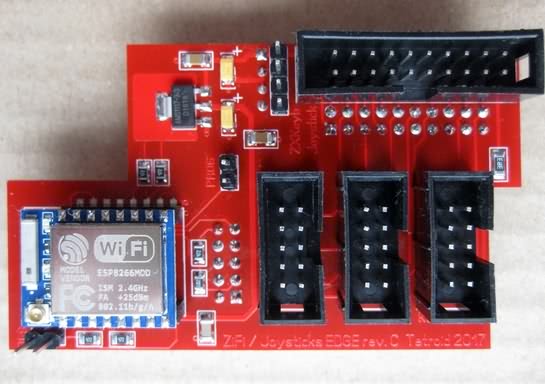
The other accessory is the ZiFi board. This is a Wi-Fi card based on the ESP8266 Wifi microchip, which is inserted into the X5 port of the motherboard, into the ATMega programming slot. So far it is supported by one program, the ZiFi client, which allows you to listen to ZX Spectrum music, view pictures, download programs and read e-mags. There are versions of the client that work via RS-232 and USB port. In the latter case, you can connect the machine to your PC and use its Internet access. The programs were created by Vladimir Burenko (Владимир Буренко, Hacker VBI; Kaniv, Ukraine). Tetroid later created the Zifi board+joystick card, which also has a Kempston and two Sinclair joystick ports.
Three versions of from the basic version and the version with the joystick interface have been produced: revision A, B and C, the last two being the public versions.
In addition to the developers, TS-Labs also made the extended TS-Conf configuration, which also supports his two hardwares. [»] The ScorpEvo config of Evgenij Ivanov (Евгений Иванов, Ewgeny7) from Saint Petersburg emulates the Scorpion ZS256 Turbo+ machine. [»] Last but not least, Pong Config simulates the famous arcade machine without using the Z80 processor.
European Pentagon developments
The news of Russian clones reached Europe at the turn of the millennium. Since then, a number of Pentagon-compatible, mostly FGPA-based machines have appeared, which are belongs more into the hardware emulator category.
Let's briefly review the few developments that are dedicated to Pentagon compatibility and do not achieve this by reprogramming an existing flexible architecture.
The ZX4MB extension was developed by the Polish Jarek Adamski from 2004 to 2006. This will make the Spectrum Issue 6A motherboard (the others were not tested) compatible with the memory management of the ZX Spectrum 128K, Pentagon 512K and Z88 portable computer. Of course, the possibility of using the memory as shadow RAM and installing a wide variety of operating systems is also given.
A prototype version of the expansion, v001, has been released in two copies. This was followed by v006, v106 and v206, with the final version being v315.
The expansion consists of three parts, the last of which, the 128K Flash PEROM circuit, can be built and installed separately and optionally.
The first step is to replace the lower 16K of memory with at least 32K. This area is the first 16K of the 48K Spectrum in Issue 6A, and the memory (roughly 2x7 kilobytes) of the two parallel screens of the ZX128/P512. The replacement can be done by swapping in the higher capacity DRAM chips, or SRAM modules on mini expansion cards. In the latter case, the power consumption is also reduced (it is possible that other motherboards may not need to replace the 16K with twice as much - as mentioned, this modding is type-specific). Then the original top 32K RAM is replaced by the main 4 megabyte expansion card built from SRAM modules. Finally, installing the optional Flash PEROM circuit closes the line to complete the upgrade.
Its ancestor is the ZX512 modding, which was also ZX128/P512 compatible. To implement it, here also with the upper memory chips needed to replace the 16K lower ones. Then, the empty slots in the upper memory must be filled with 32K DRAMs with 41256, for getting a total of 256K RAM. Finally, solder the remaining 41256 chips on top of these for a total of 512K. Only one prototype from this was made. A multicolor add-on was also made for it, which was not tested.
The Pentagon 512kB interface by Czech Jiri Veleba (Velesoft) is an internal expansion for the ZX Spectrum 128K+2 Issue 3 machines from May 2006. This is to be plugged in place of the original ROM and HAL10H8 (PAL10H8) chips. The interface uses 512K of SRAM, plus 128-512K of FlashEPROM. In addition to 512K Pentagon compatibility, it offers a number of other advantages. For example, interoperability with Czech/Slovak D40/D80 disk units and configuring the memory to 128K+2A/+2B/+3/+3B mode. In the latter case, the machine uses its own 128K memory, only the timings were modified. These Spectrum models are already Amstrad developments and have become incompatible with the previous ZX48/128K generations at several points – at least, the memory timing issues are now solved. The so-called snowing bug is also eliminated. This occurs when the processor and the ULA chip responsible for imaging try to access the same memory segment at the same time and causes a very interesting screen effect - often called as a feature. Thanks to our Czech colleagues, the MDOS File Commander and Tools 128 disk utility collection supports extended memory (the PCB caption is PENTAGON 512kB FOR ZX128+2).
The External 128-512 kB upgrade for ZX16/48kB, released in early 2009, makes the rubber-keyed little brothers ZX Spectrum 128K and Pentagon 128/256/512K compatible. For the 48K machine, the upper 32K must be removed or disabled first. The expansion works with 128K (628128) or 512K (628512) CMOS SRAM chips, with a switch to select between the two modes (printed circuit board designation ZX128/512).
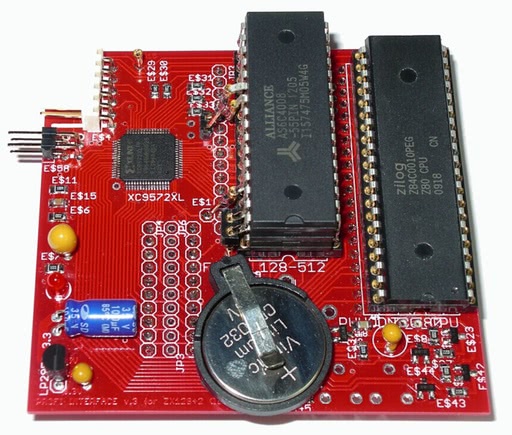
The Profi interface is based on the Pentagon interface from December 2009. It already has 1024K RAM and 128K/512K Flash EPROM. The device is programmable from a PC via JTAG cable. The one megabyte memory can be used as ZX Spectrum (clone) RAM, shadow RAM, and memory for DivIDE, Beta-128 and MB-02+ disk units. In addition to the original ZX Spectrum 128K and Pentagon 128/512/1024K, the card supports the Profi 1024K and Scorpion ZS 1024K memory management schemes. The later, red color v3 version of the interface from the end of 2014 january also has a snow bugfix. The card must be installed in the socket of the Z80 CPU, ROM and HAL10H8 ICs.
The expansion also offers additional functions for Beta-128, MB-02+ interfaces, and also has DivIDE emulation. (PCB caption: PROFI INTERFACE FOR ZX128(ISS3)).
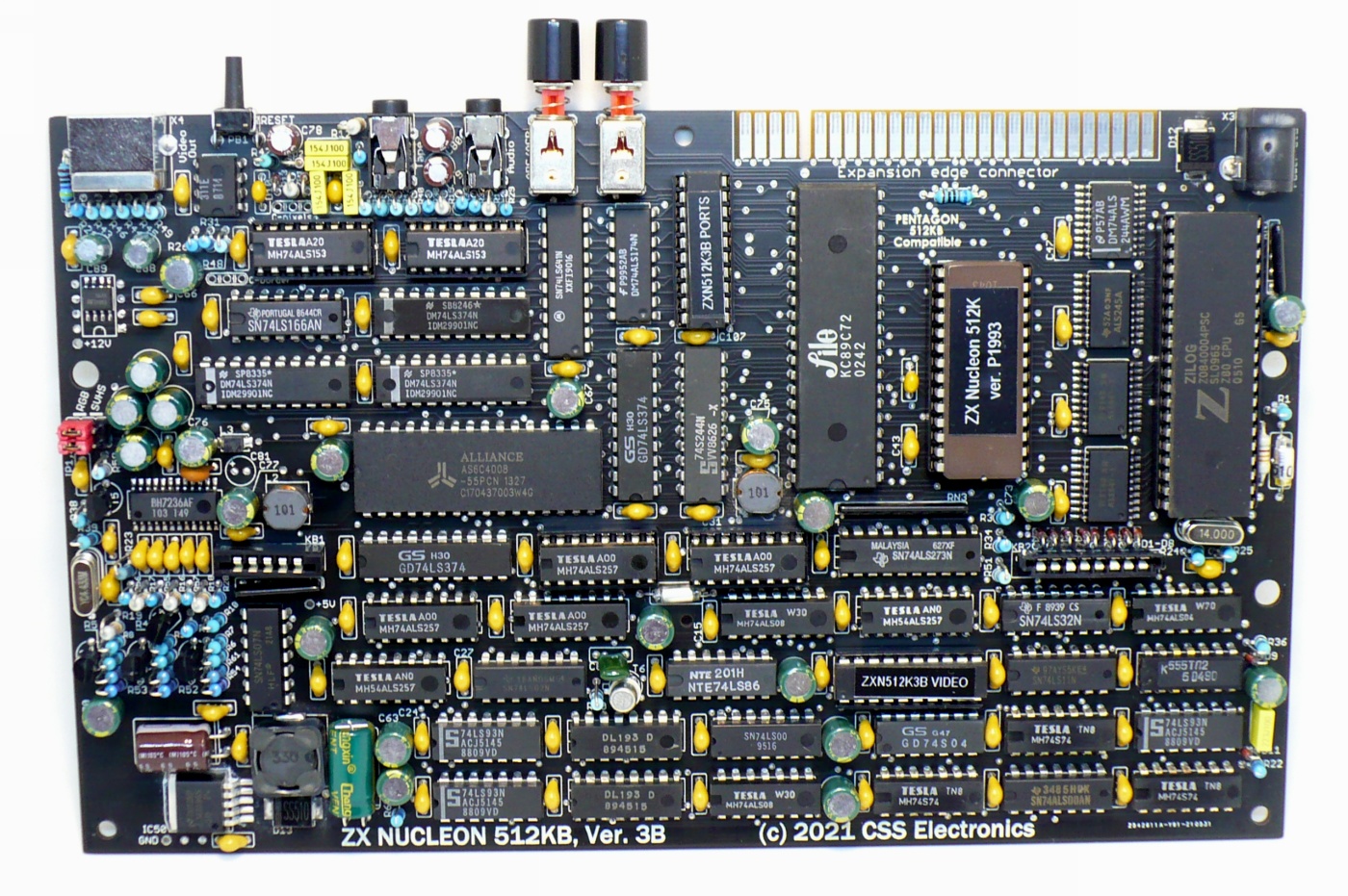
The ZX Nucleon 512K, also made by Czech Petr Valecko (aka CSS Electronics), was designed to be a Pentagon 128/512K compatible clone that fits into the housing of the ZX Spectrum 48K and its replicas. Therefore, the motherboard produced from 2019 inherits the dimensions of the Issue 3B motherboard.
The designer already produced a similar board in 2004. At that time, the Didaktik Gama 192K and its variants could be installed in the housing of the Czech/Slovak Didaktik Gama 80K machines.
The timings are fully compatible with the Russian clone, but differ in a few other respects. For example, the Beta-128 controller is not integrated, but can be ordered from the creator. However, the original Sinclair edge connector is included. The signals of the Z80 processor are amplified on it, which increases the reliability of operation.
The circuitry responsible for the Flash attribute of the original Pentagon machines has also been redesigned in order to better simulate the original Spectrum. The imaging and power solutions are also more advanced than the Russian clone, and the reset is more reliable.
The control of the ports (ULA, AY, memory access, etc.) was solved by the designer with a GAL chip. The memory is implemented with a single SRAM, which can be set within 128/512K modes by a micro switch.
The AY interface is also integrated, with a micro switch to select ACB or ACB stereo mode. The output is a stereo jack soldered in place of the original MIC connector. The beeper and tape in/out signals are also included in this audio output. The load/save inputs for the tape unit are also on a stereo jack, in place of the EAR. The load signal amplifier has also been improved over the original.
The screen output is an 8-pin mini DIN connector with RGB/S-VHS signals. Version 1A was the prototype, with subsequent versions being commercially available from August of 2019. Since v2A onwards (October 2019), the picture quality has also improved. In addition, all motherboards undergo a two-hour stress test from version 2 onwards. One month later, v3A was released, with additional minor bugfixes and improvements. In the last version, 3B, the image quality was improved and the port decoder was simplified.
↑date: 2024/12
 Pentagon 48K Pentagon 48K
1989.

 Pentagon 48K Z01.90 mod Pentagon 48K Z01.90 mod
1990. 01
Zvezda-X
1991.
Zvezda-001
1992.
Zvezda
1993.
Zvezda-01
1994.
 Pentagon 128K 2+ ATM Pentagon 128K 2+ ATM
1990
Pentagon 128K 2+ KIS [ZX-128]
1993.

 Pentagon 128K 2+ Z1992mod ATM Pentagon 128K 2+ Z1992mod ATM
1992
 Pentagon 128K 3+ ATM Pentagon 128K 3+ ATM
199?
 Pentagon 128K 3+ Solon Pentagon 128K 3+ Solon
1993
Pentagon 128K 3+ GaG [Sprais-128]
1993.
 Pentagon 128K 4+ Solon Pentagon 128K 4+ Solon
1994
 Pentagon 128K 3+ GRM Pentagon 128K 3+ GRM
1993
több kép
Pentagon 128K 3+ SA
1994.
 Pentagon 128K 4+ GRM v5 Pentagon 128K 4+ GRM v5
1995
Pentagon 128K 2+ ATM mods by VMG
199x.
 Pentagon 1024SL v1.0 Pentagon 1024SL v1.0
2004
 Pentagon 1024SL v1.4 Pentagon 1024SL v1.4
2005
 Pentagon 1024SL v1.41 Pentagon 1024SL v1.41
2005
 Pentagon 1024SL v2.2 Pentagon 1024SL v2.2
2006
 Z-Controller Z-Controller
2007
 Pentagon 1024SL v2.666 Pentagon 1024SL v2.666
2008.
 Pentagon 1024SL v2.666LE Pentagon 1024SL v2.666LE
2009.
Pentagon 1024SL v2.666 Space Version
2015/08.
Pentagon 1024SL v2.666 Final Edition
2023.
 ZX Evolution rev.A ZX Evolution rev.A
2009.
 ZX Evolution rev.B ZX Evolution rev.B
2010.
 ZX Evolution rev.C ZX Evolution rev.C
2011.
 Pentevo Light Pentevo Light
2011.
 ZX-Evo Video-DAC ZX-Evo Video-DAC
2014
 ZX-Evo Video-DAC2 ZX-Evo Video-DAC2
2016
 ZiFi board ZiFi board
2015
 ZiFi board+Joystick rev.C ZiFi board+Joystick rev.C
2015
 Pentagon 48K mod.2008 King of Evil Pentagon 48K mod.2008 King of Evil
2008.
 Pentagon 128K mod.2011 Zorel Pentagon 128K mod.2011 Zorel
2011.
 Pentagon 128K mod.2013 Zorel Pentagon 128K mod.2013 Zorel
2013.
 Pentagon 128K mod.2014 Mick solegstar Pentagon 128K mod.2014 Mick solegstar
2014.
 Pentagon 128K mod.2015 Mick Pentagon 128K mod.2015 Mick
2015.
 Expansion board for Pentagon 128K Expansion board for Pentagon 128K
2018/01.
Deltagon-1024K Turbo v1.x
2023/06.
 ZX4MB ZX4MB
2006.
 Pentagon 512kB interface Pentagon 512kB interface
2006.
 Profi interface Profi interface
2009/12.
 Profi interface v3 Profi interface v3
2014/02.
 ZX Nucleon 512KB v1b ZX Nucleon 512KB v1b
2019/08.
 ZX Nucleon 512KB v2a ZX Nucleon 512KB v2a
2019/10.
 !!!!ZX Nucleon 512KB v3b!!!!!!! !!!!ZX Nucleon 512KB v3b!!!!!!!
2021/04.
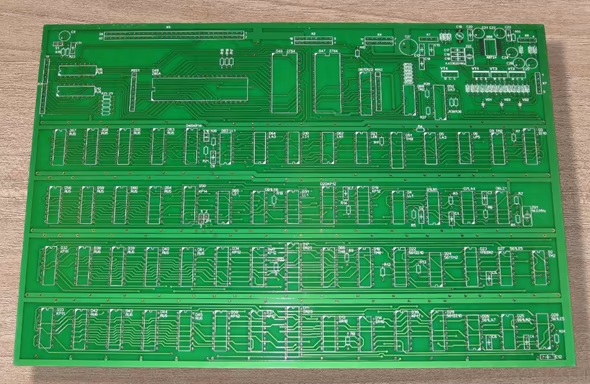
| |  Lvov 48K v1.0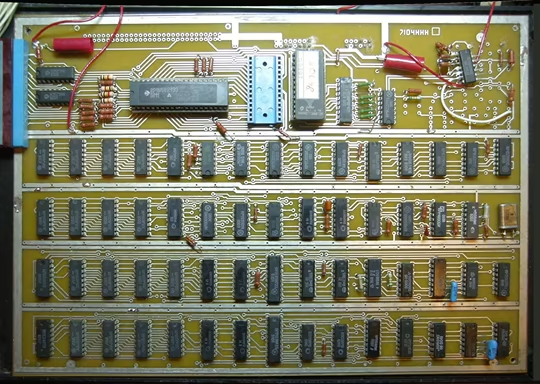
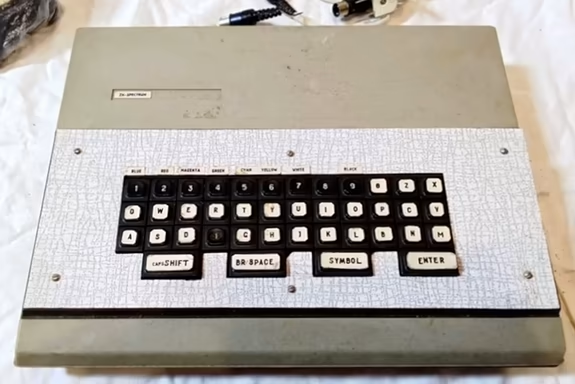 Lvov 48K v2.0 7104HHH
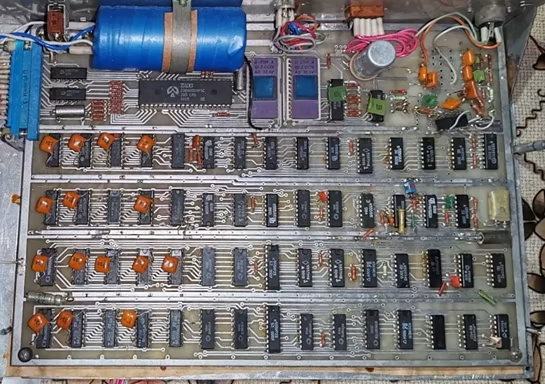 Lvov 48K v2.0


 Lvov 48K v2.0 remake v1.0 2017 mod.Leon
 Lvov 48K v2.0 remake v2.0 2017 mod.Leon
 Lvov 48K v2.0 remake v2.0 20xx mod.xxxx



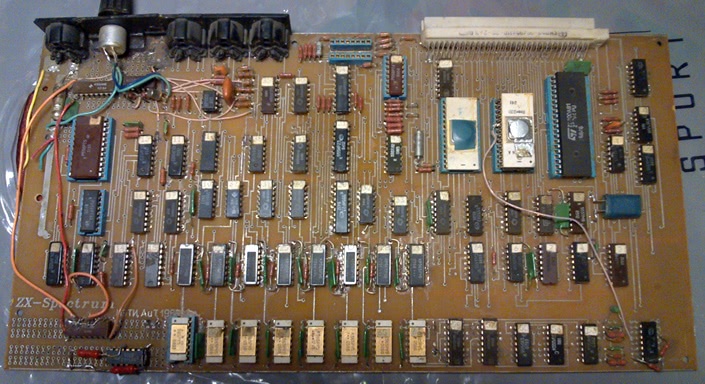 Neti AiT v1.0
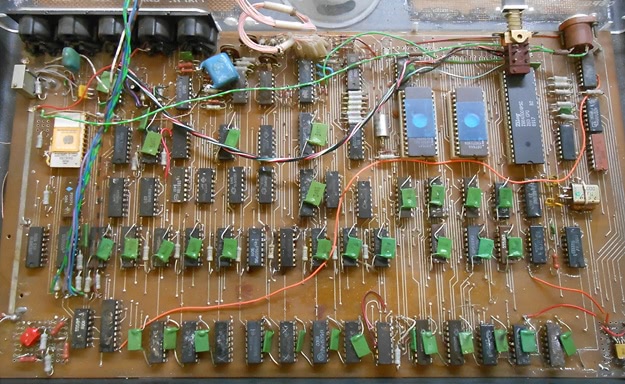 Neti AiT v2.0
 Neti AiT v3.0
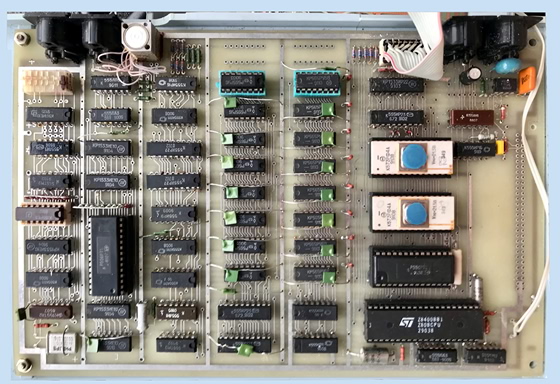
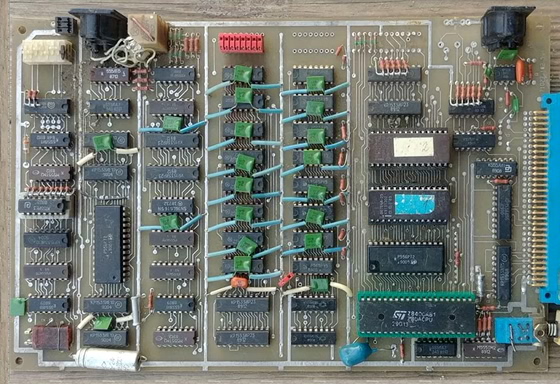 PLM Avtomatika
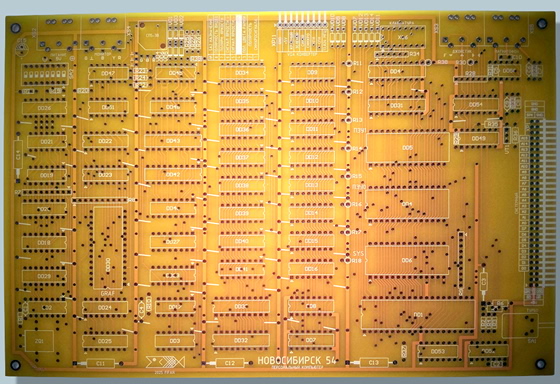 Novosibirks 54 remake 2025 mod.fifan
 Harkov 48K
 Harkov 48K 2021 mod.Shumadan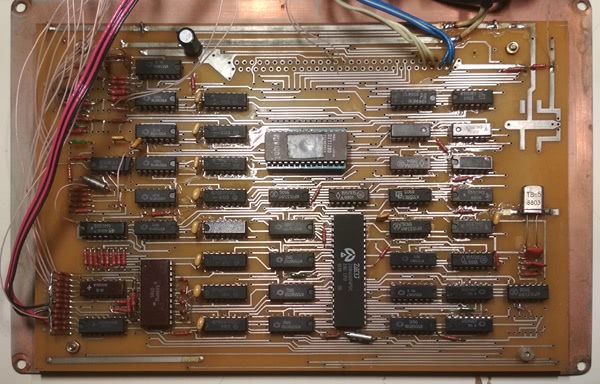


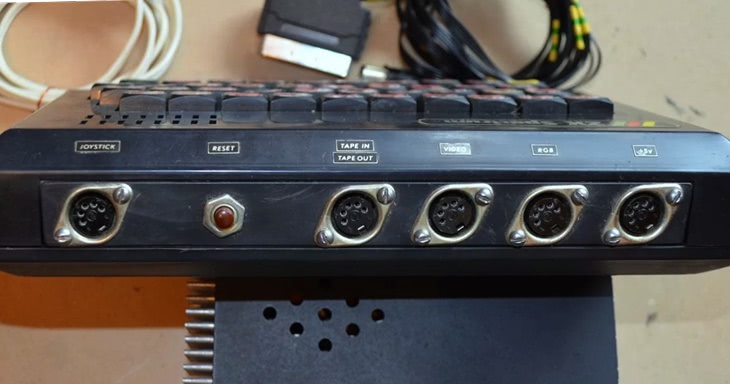
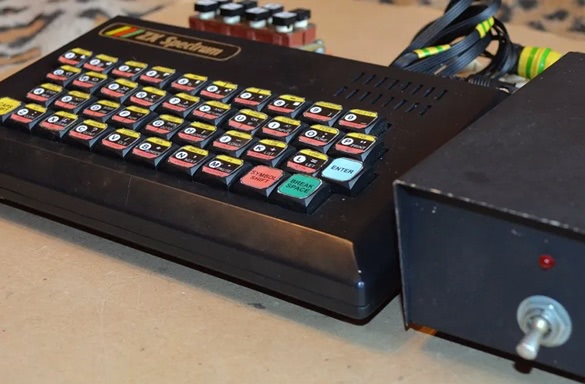


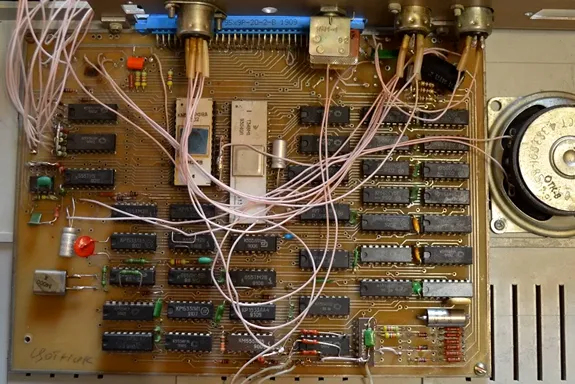


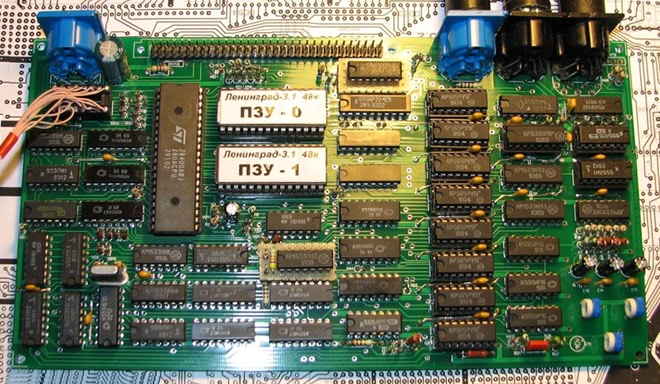


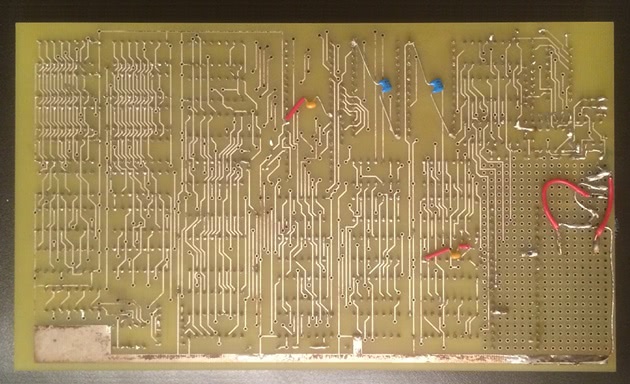
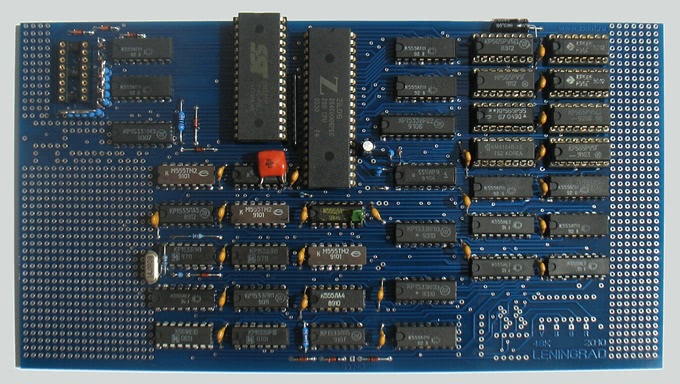


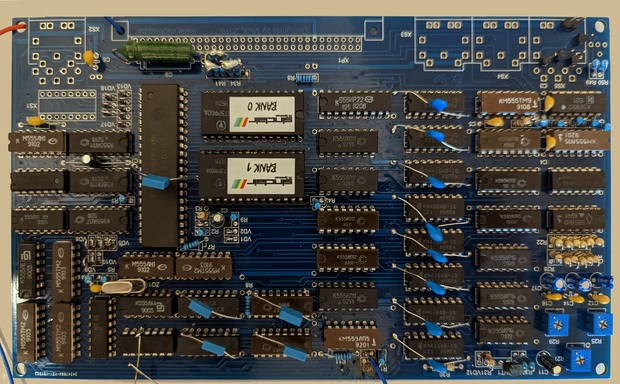
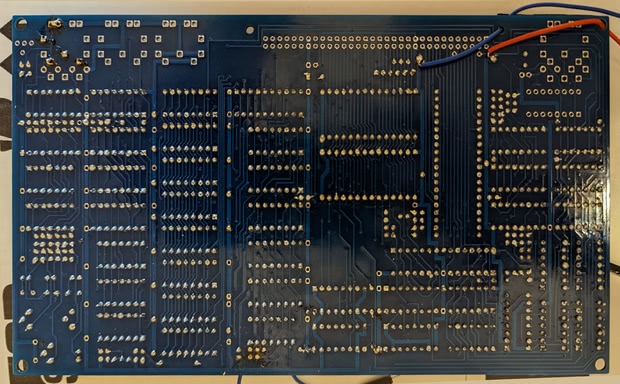
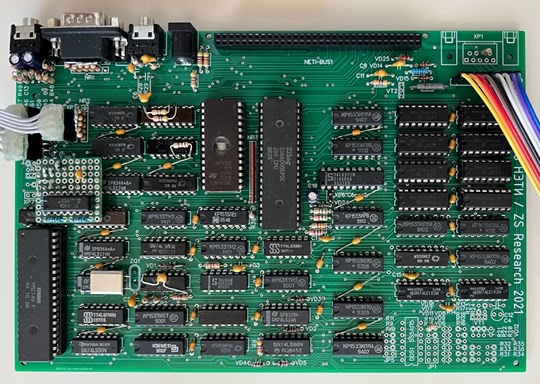


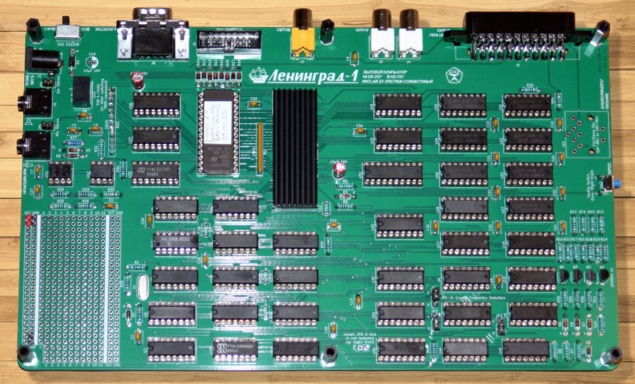



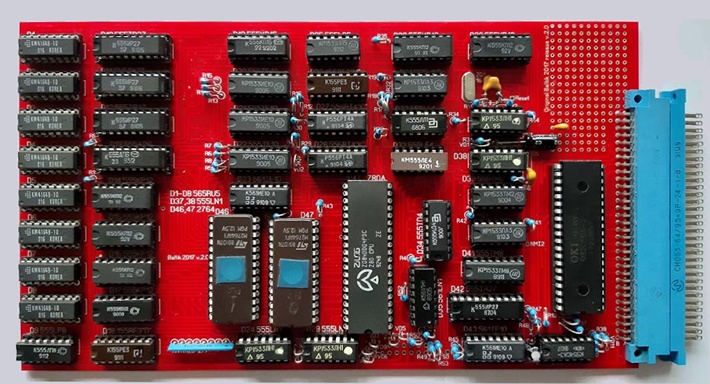
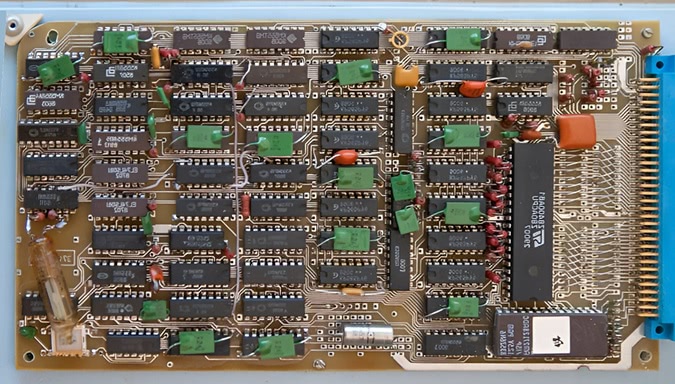


 Krasnodar 128K
 Krasnodar 48K mod.romychs
 Krasnodar 48K mod.Mick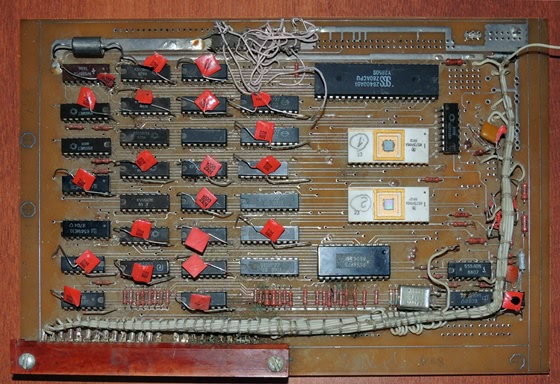
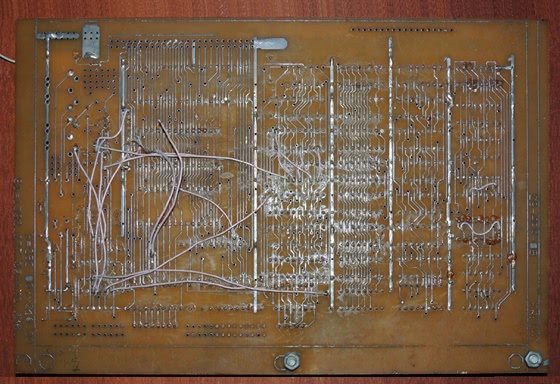
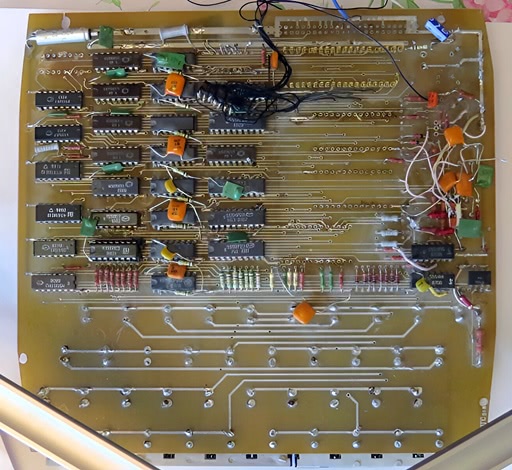
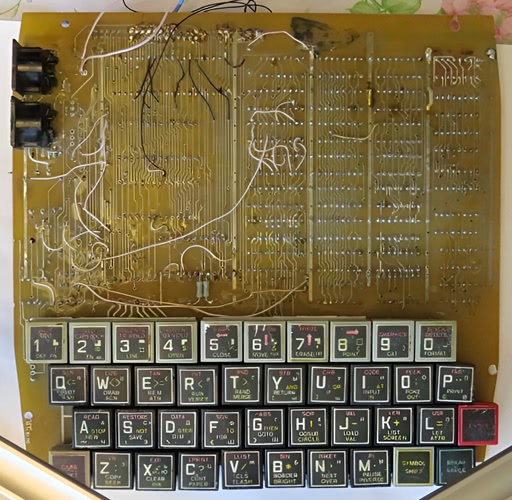

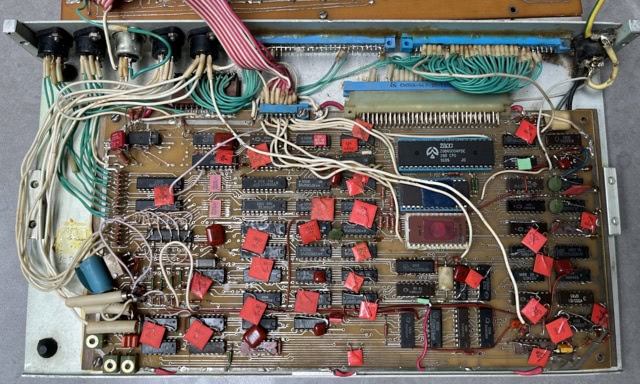
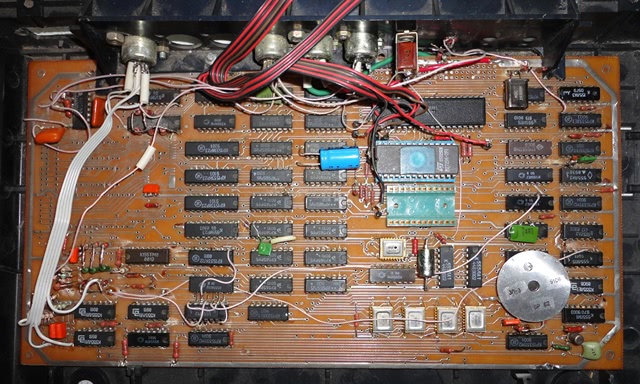


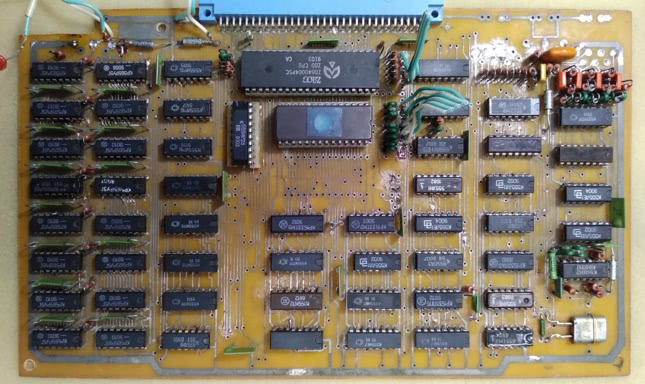
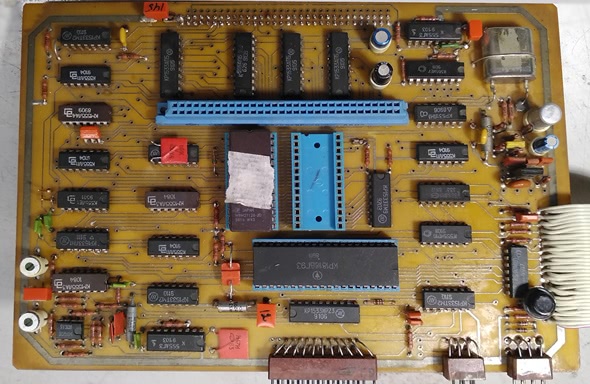
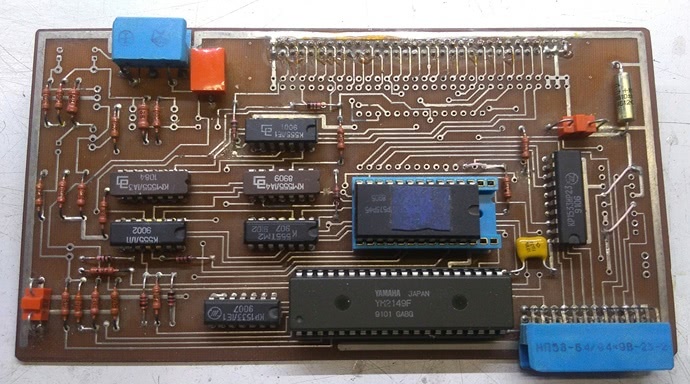
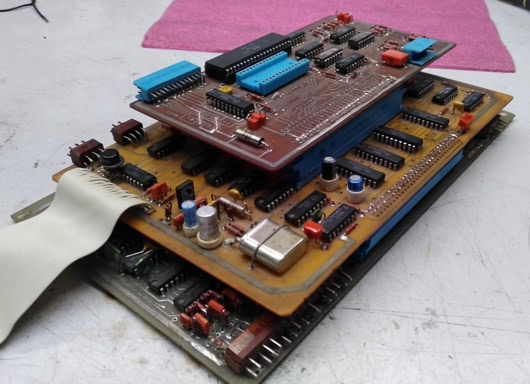
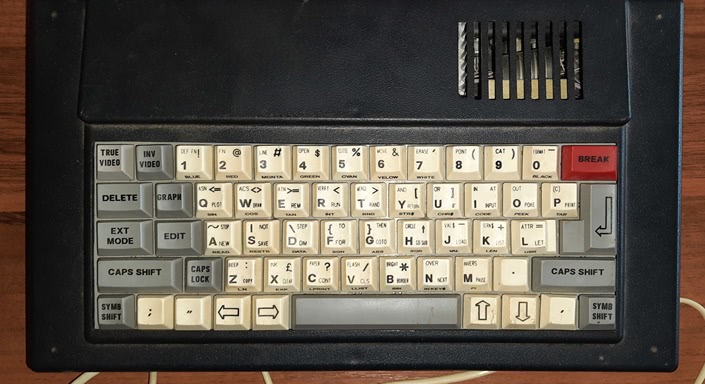
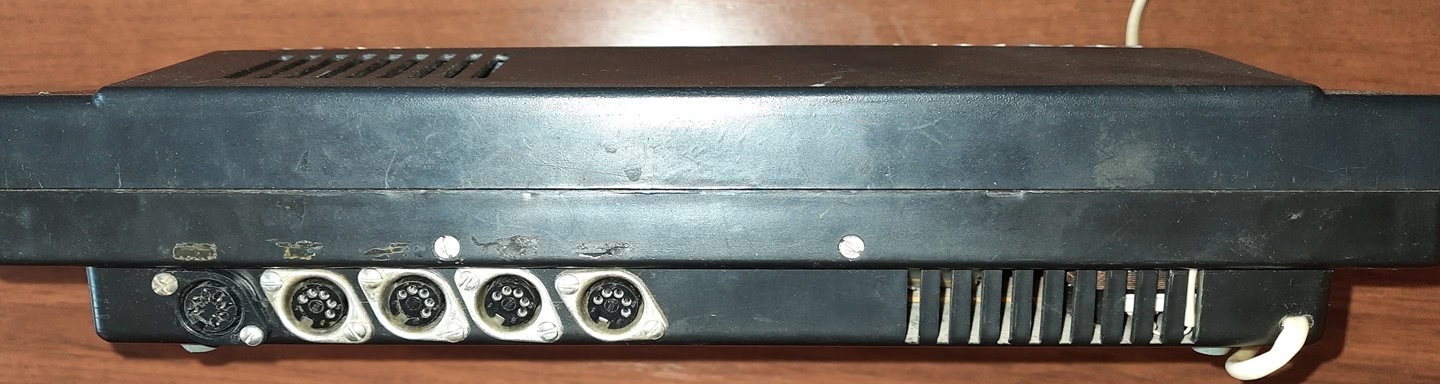
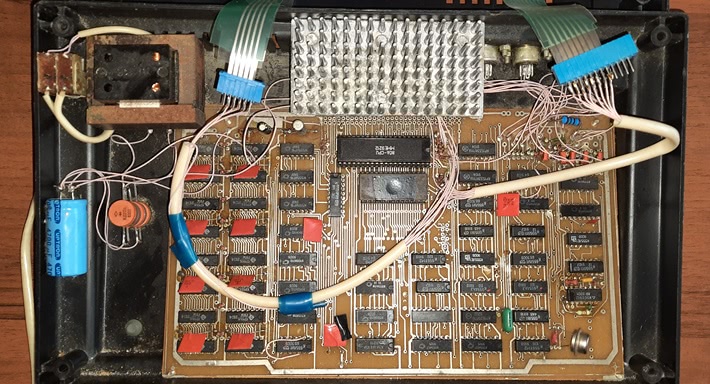
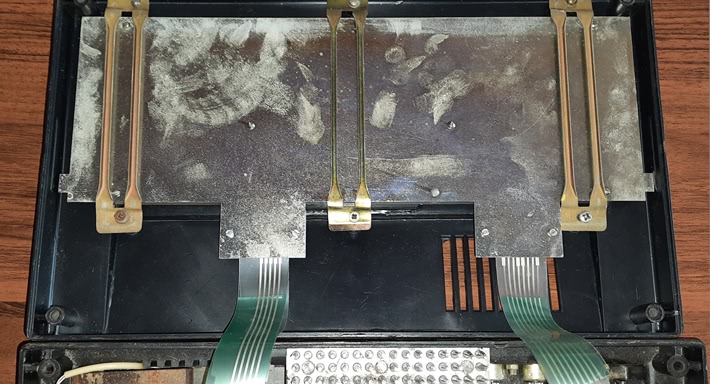






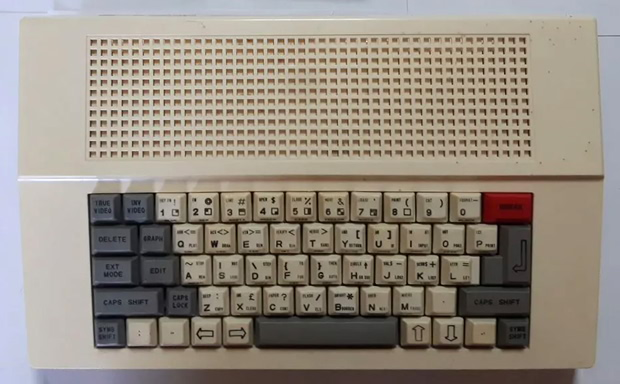
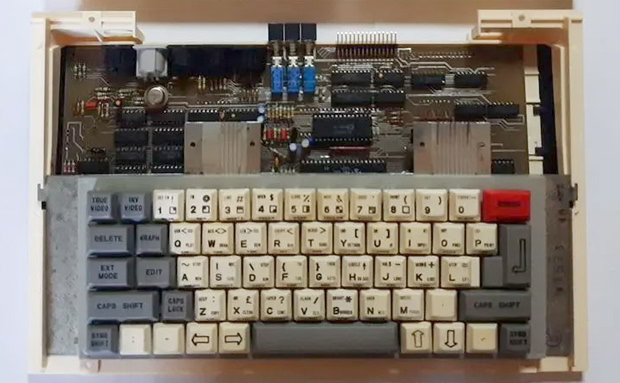
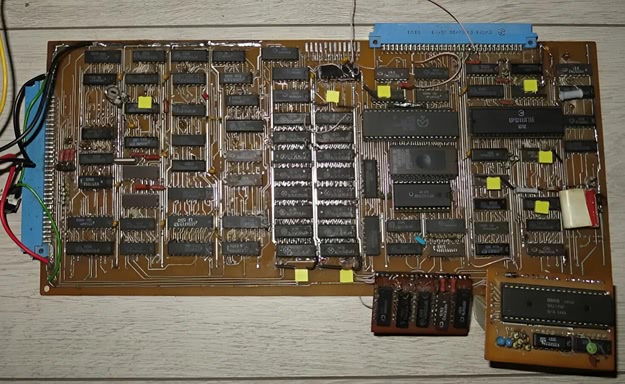


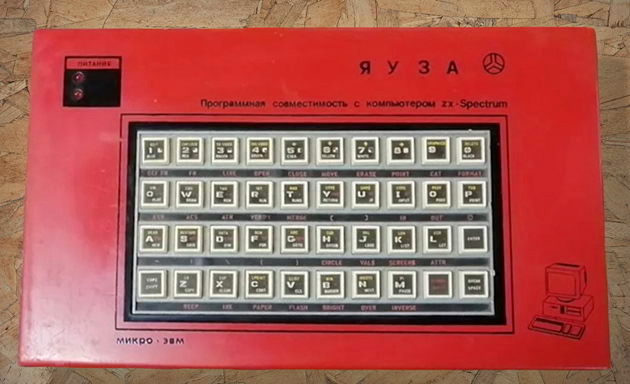
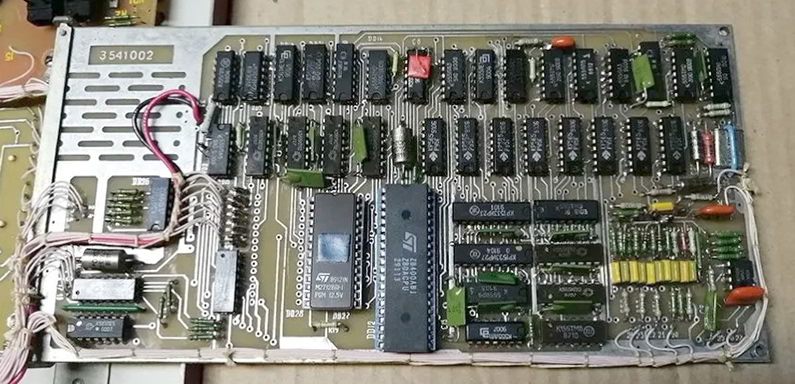
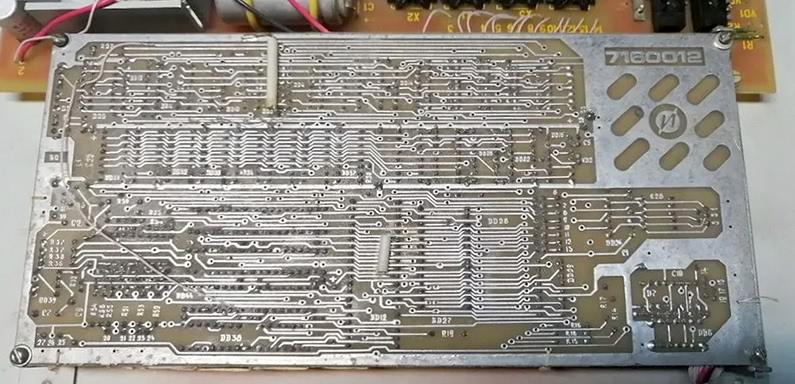
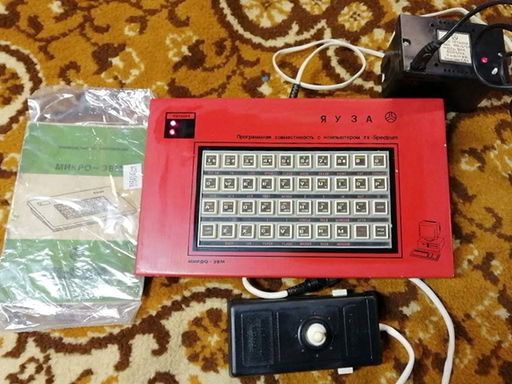
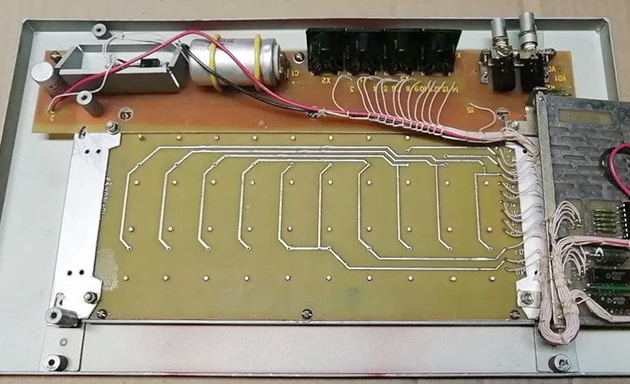
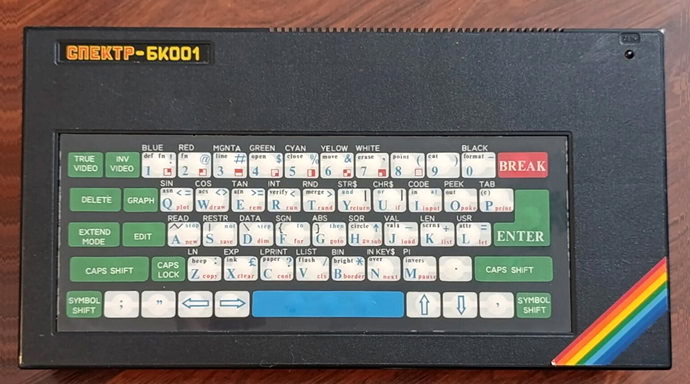
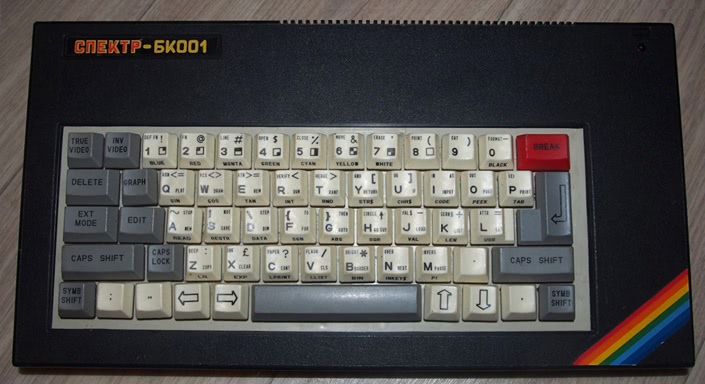
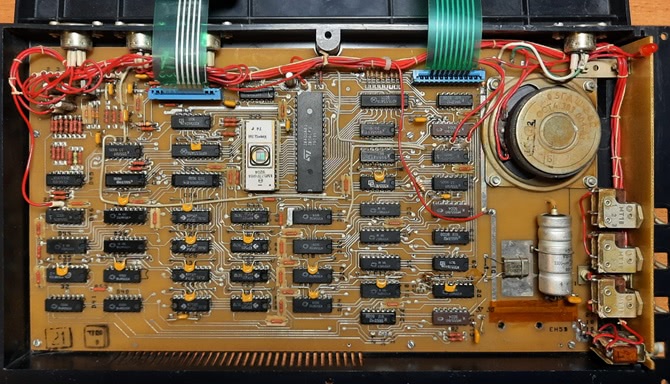
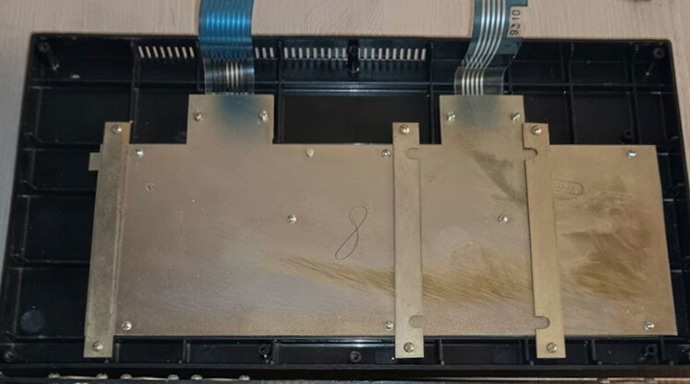
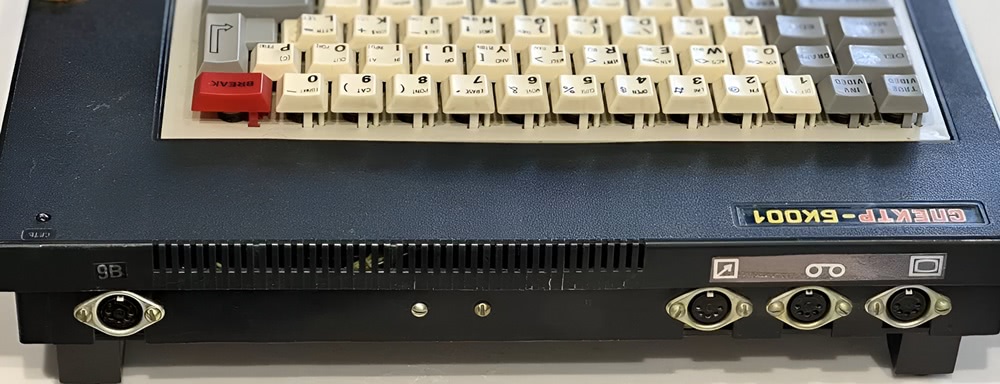
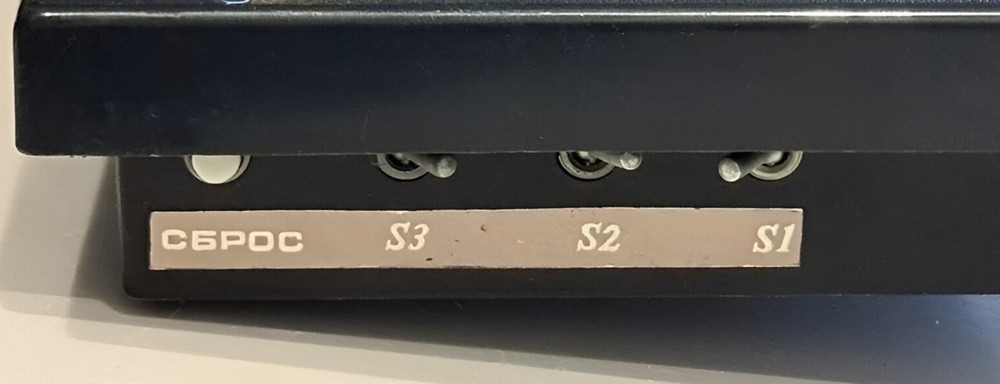
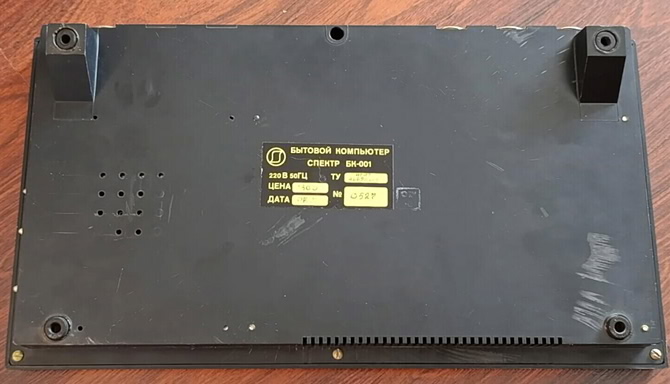
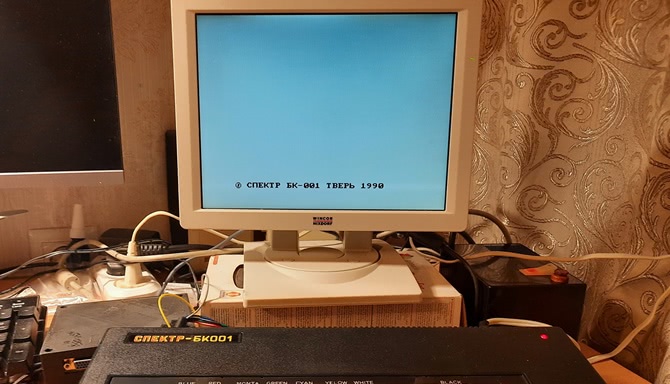
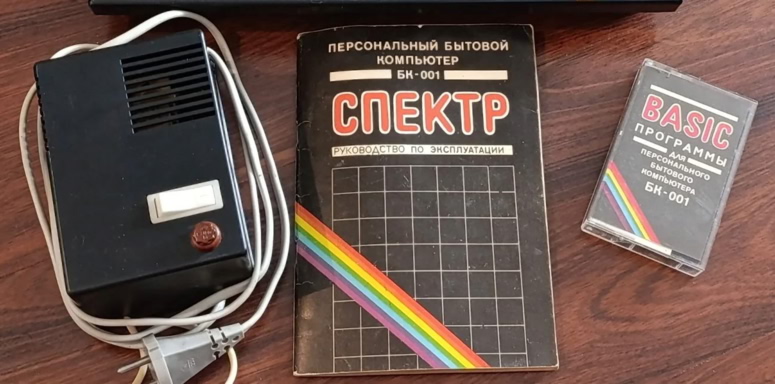
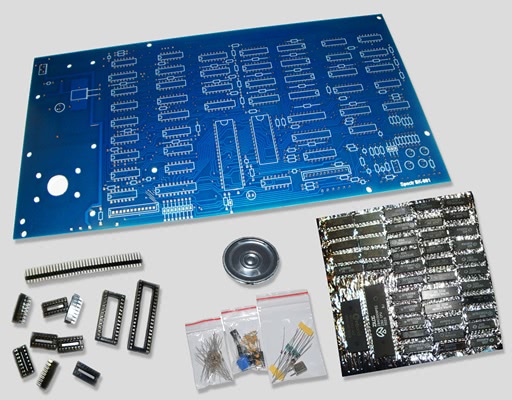 Spektr BK-001 2016 mod.Mick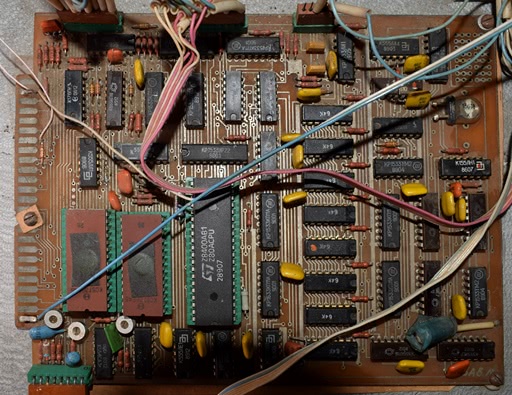

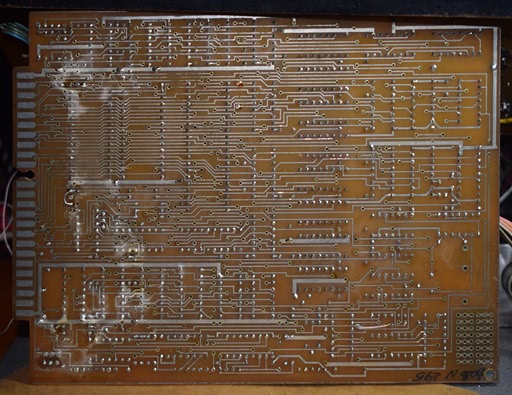


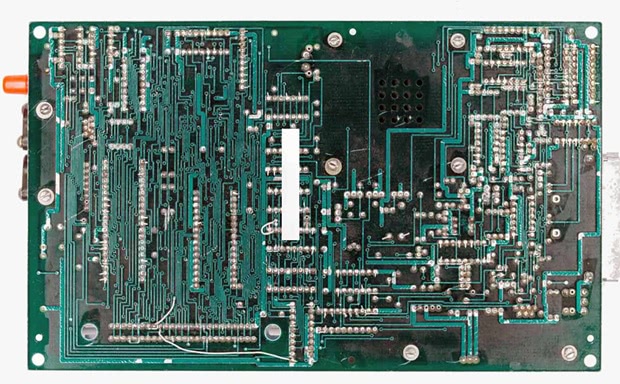


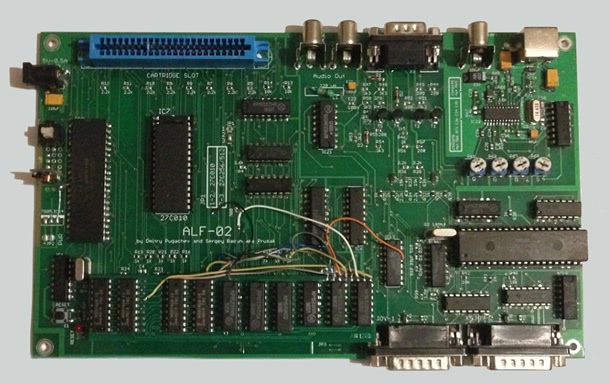
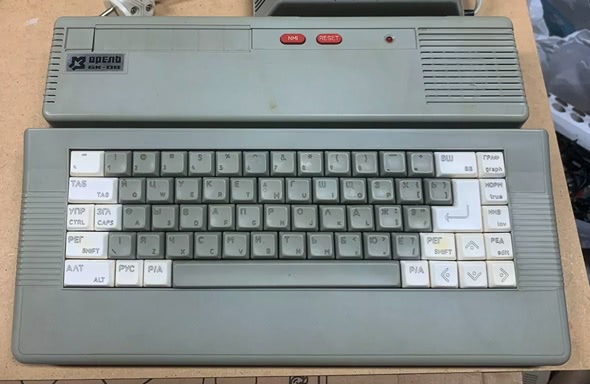
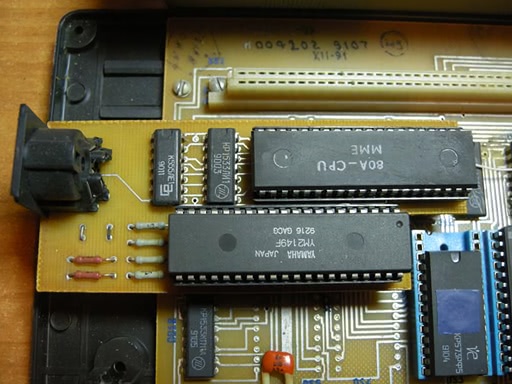
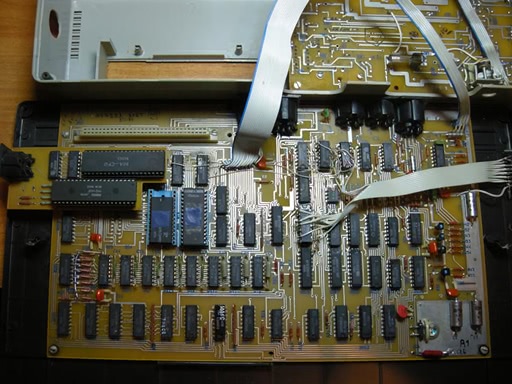
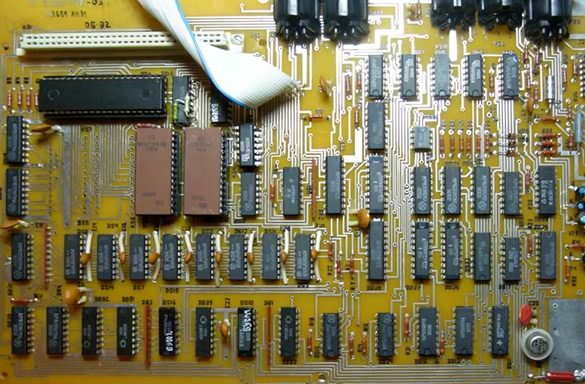
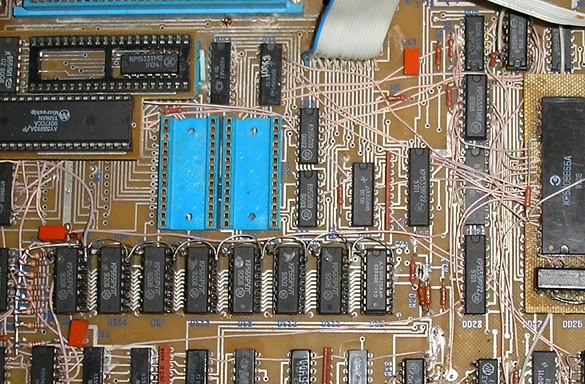
 Profi v3.2 by Profi PLL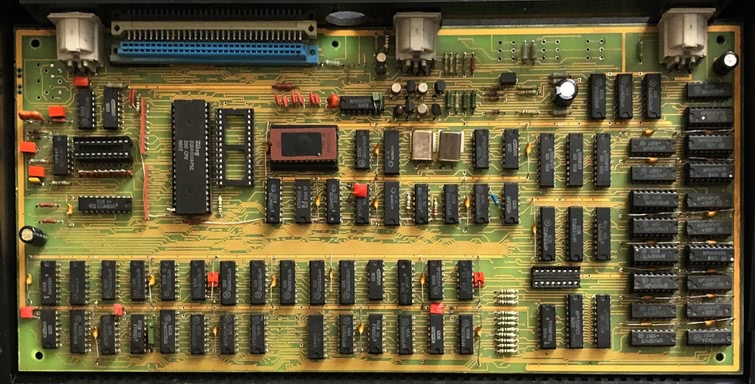


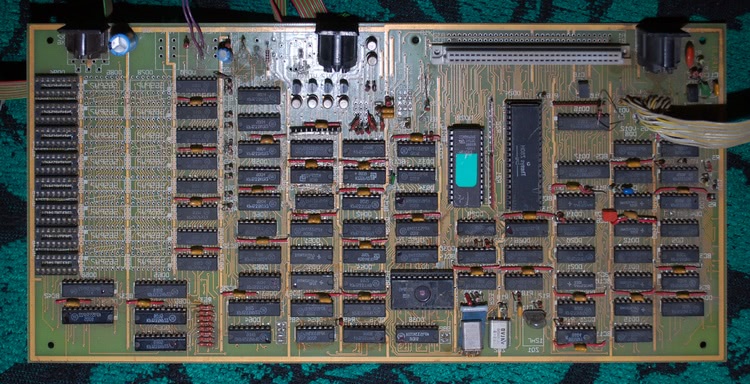
 Profi v5.02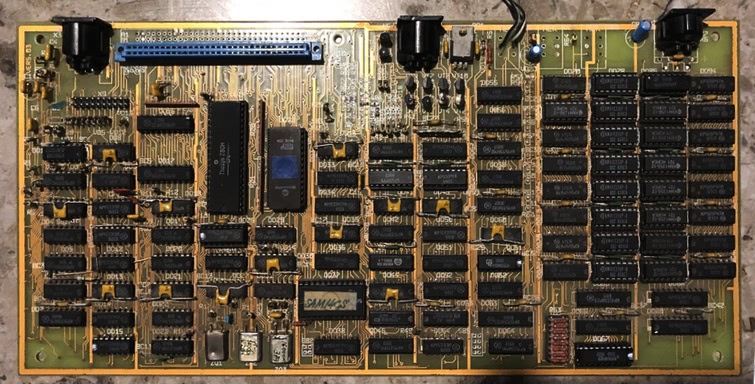
 Profi v5.03
 Profi v5.04 mod.2008 Savelij
 Profi v5.05 mod.2012 solegstar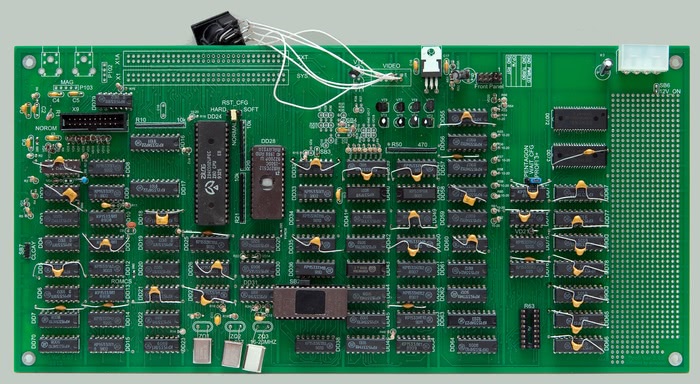
 Profi v5.06 mod.2014 solegstar
 Profi v6.2 revB mod.2010 Mdesk
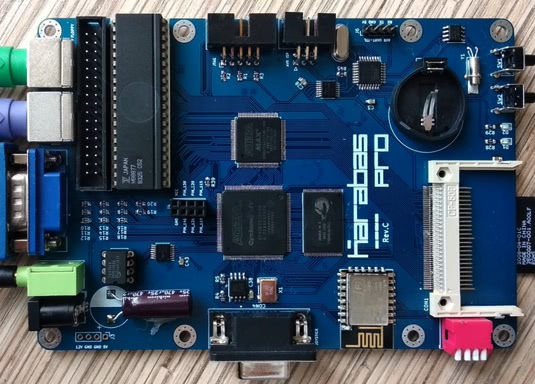 Karabas Pro Rev.C
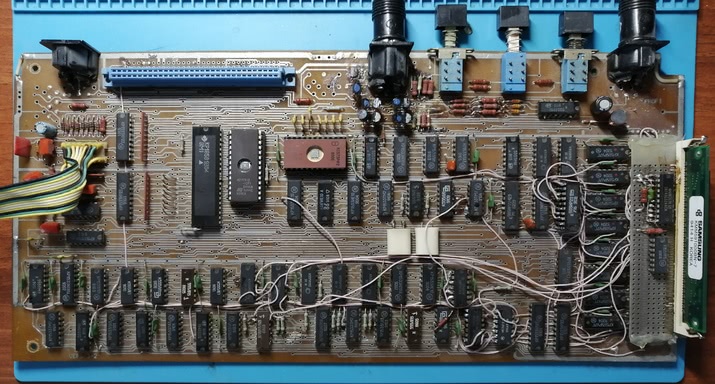 1 Mb SIMM30 module and CP/M color mod
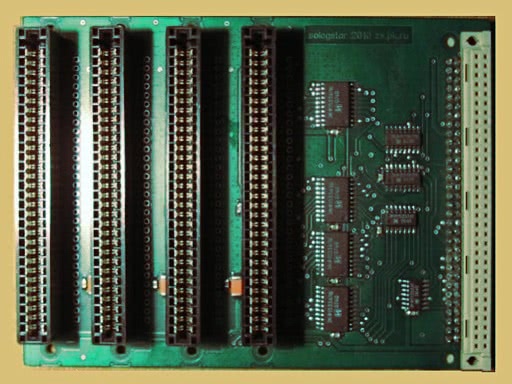 Profi ZX Bus expander
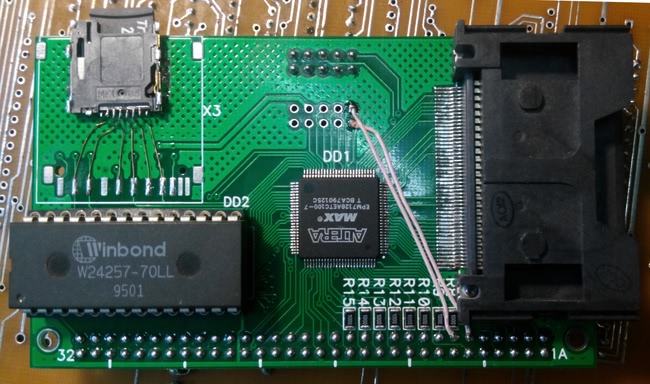 Profi extender
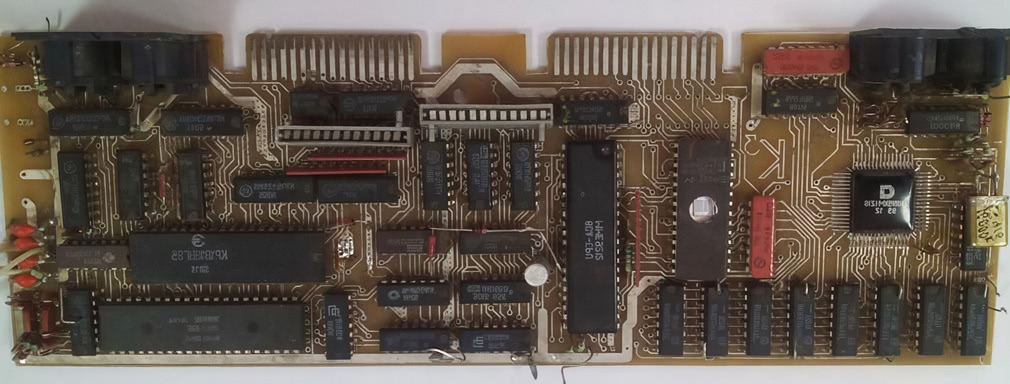 Himac HR42 prototype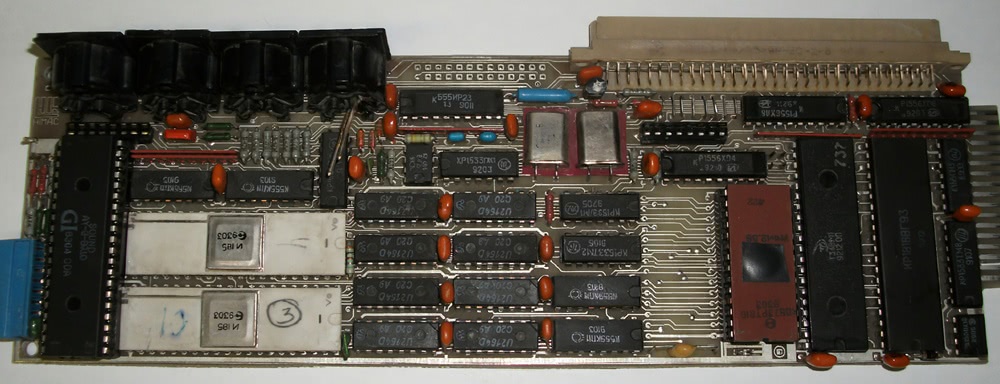
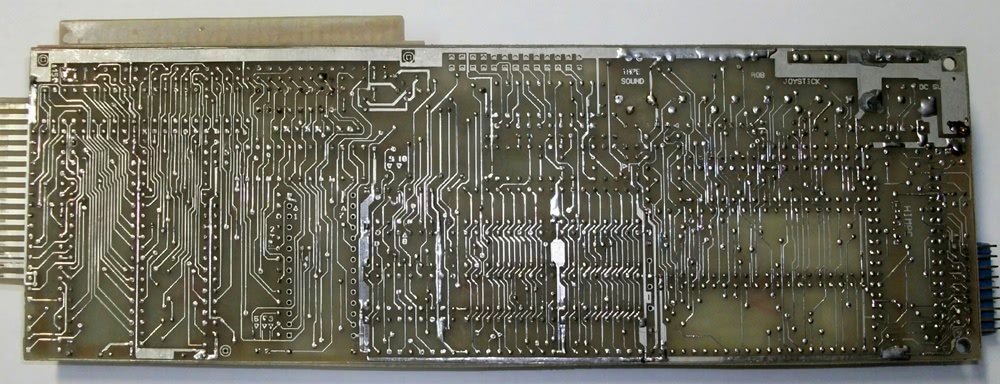
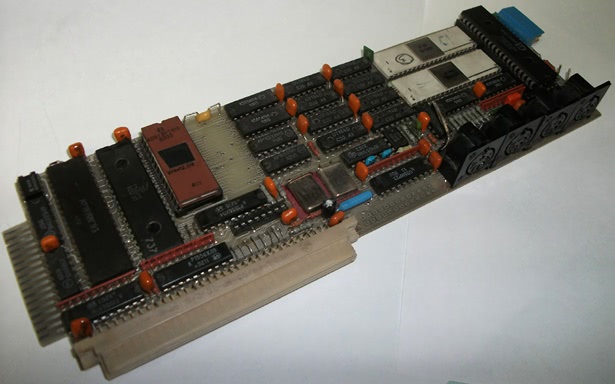
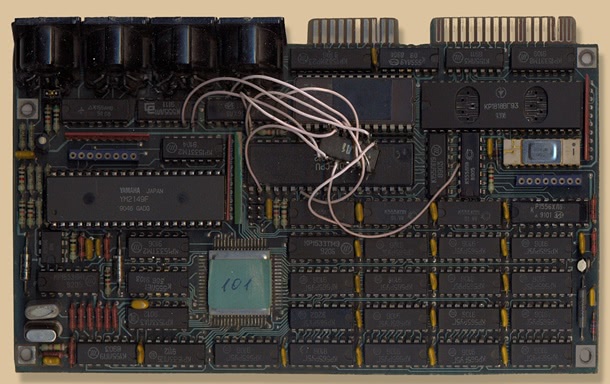
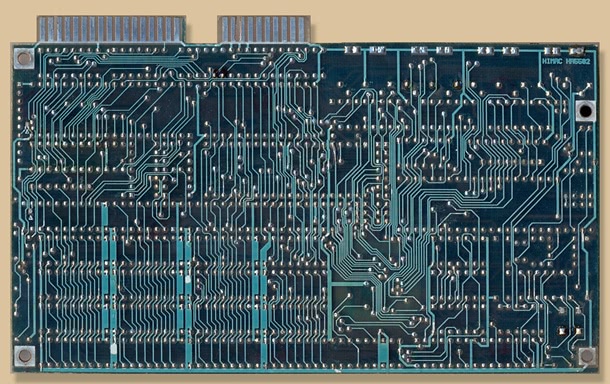
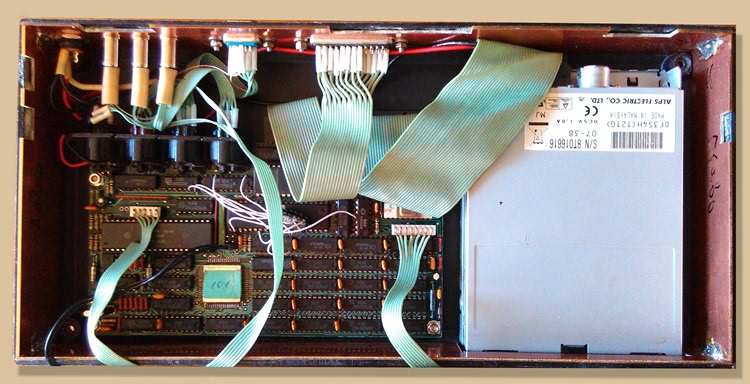
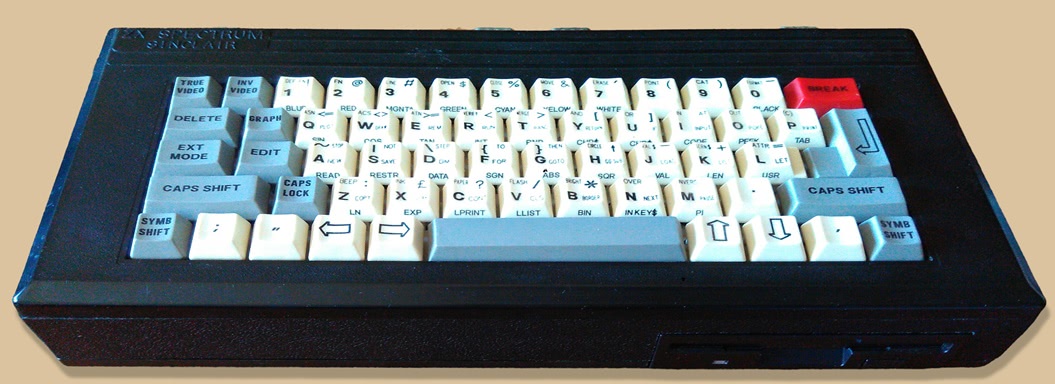
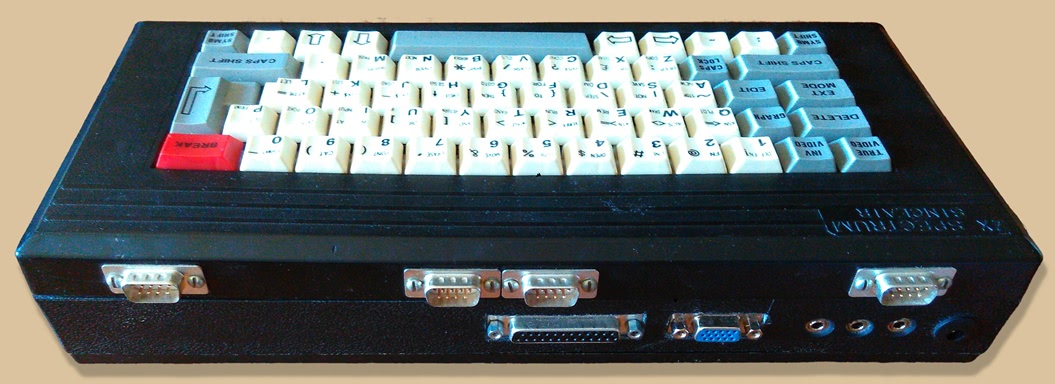
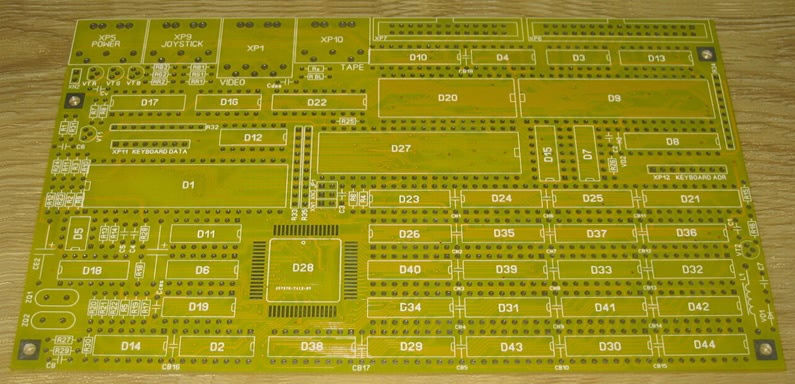 Himac HR55.02 remake
 Scorpion ZS 256 SC11
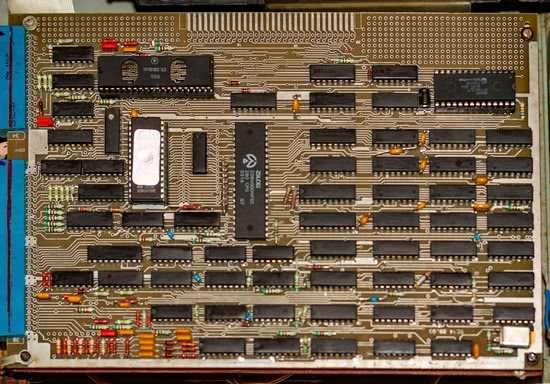 Scorpion ZS 256 SC14
 Scorpion ZS 256 SC14 pirate
 Scorpion ZS 256 SC15 pirate
 Scorpion ZS 256 SC14 Turbo v1
 Scorpion ZS 256 SC14 Turbo v2
 Scorpion ZS 256 SC16 Turbo+
 Scorpion ZS 256 Turbo+ mod.2007 Mikka_A
 Scorpion ZS 256 Turbo+ Restored
 Scorpion ZS 1024 Turbo+
 Pentagon 128K 2+ timing mod
 ATM Turbo 1 v4.10
 ATM Turbo 1 v4.50
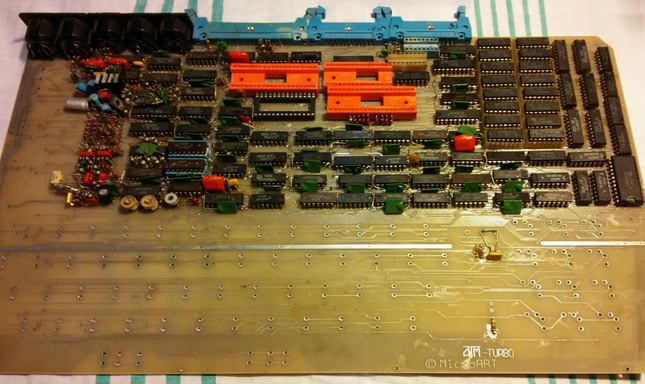 ATM Turbo 1 v5.20
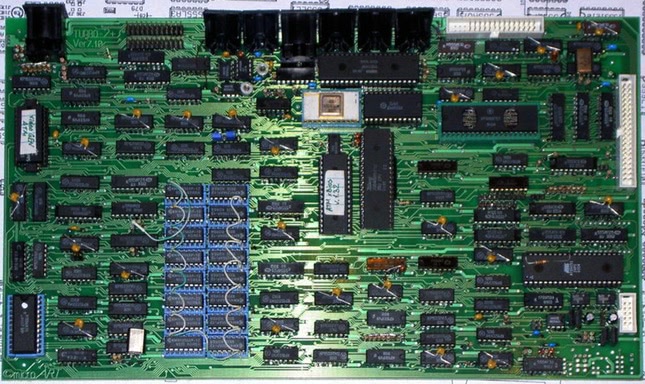 ATM Turbo 2 v7.10 green
 ATM Turbo 2++ v7.18
 Connection boards
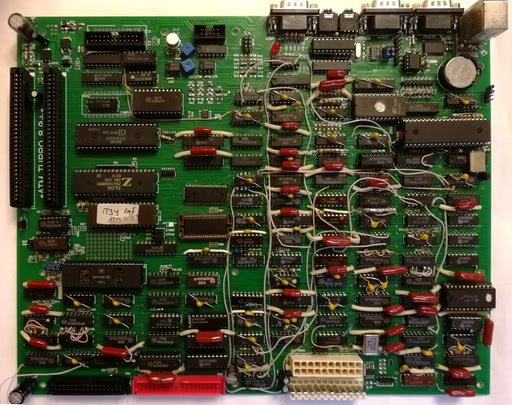 ATM Turbo 3 v8.00
 ATM Turbo 2+ v7.11 mod.2020 paul
 ATM Turbo 2++ tetroid v7.18
 KAY 128
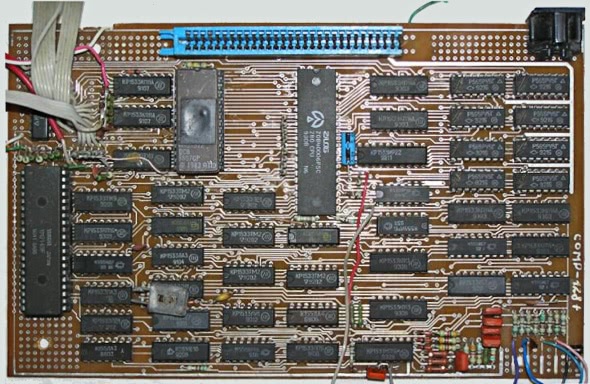 KAY 128 1SL
 KAY 256 Turbo 3SL
 KAY 1024 Turbo 3SL
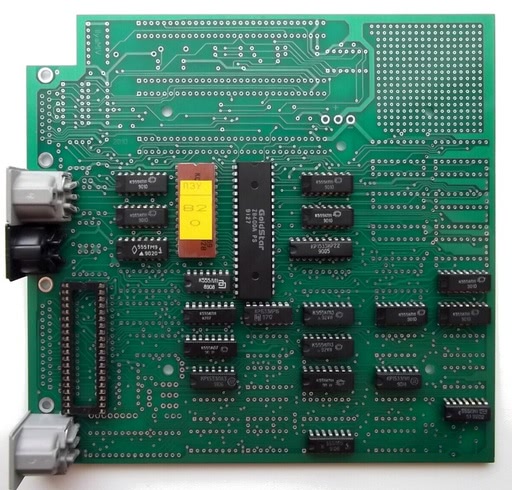 KAY 1024 Turbo 3SL mod.2010 lyaMIV
 KAY 1024 Turbo 3SL mod.2017 Pavel
 KAY 1024 Turbo 3SL mod.2017 tigr101274
 KAY 1024 Turbo 4SL mod.2010 Alex NEMO
 KAY 1024 Turbo 4SL mod.2017 Paul
 KAY 1024 Turbo 4SL mod.2018 Paul
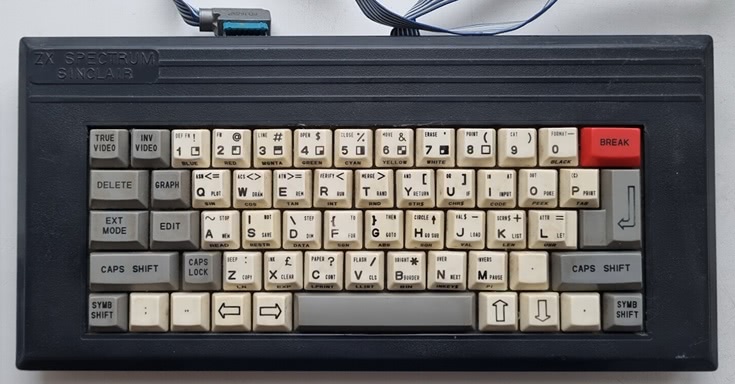


 Elite 48K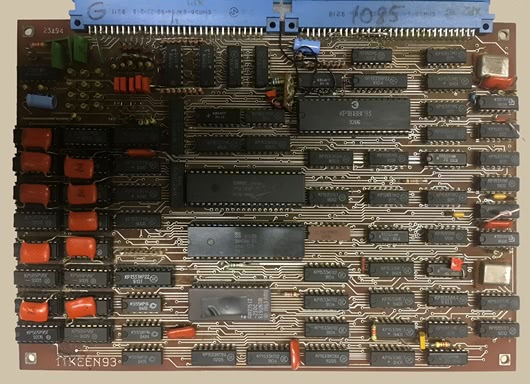
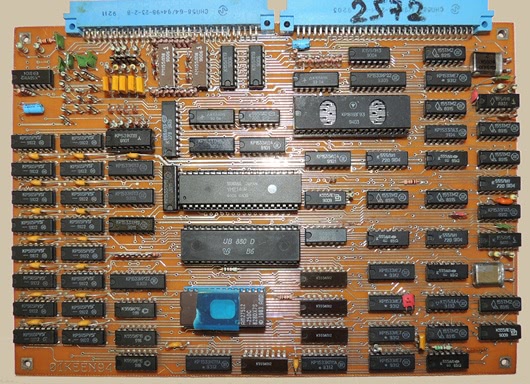
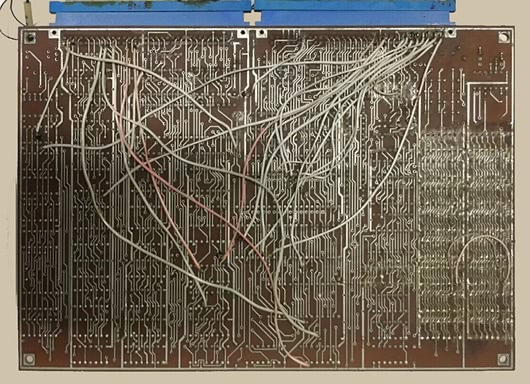



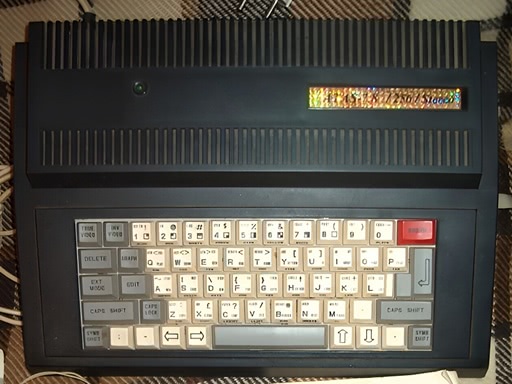
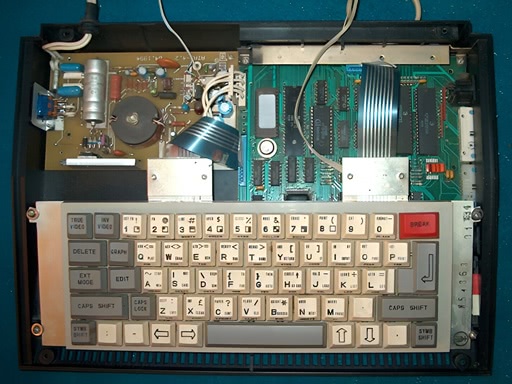
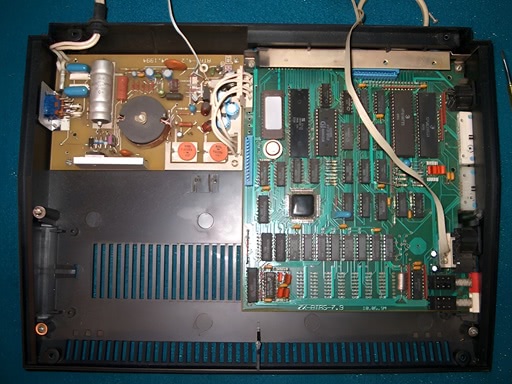
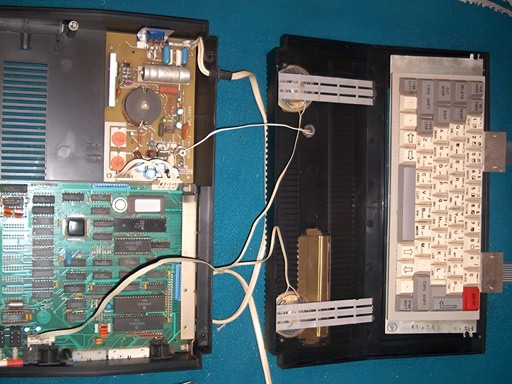






 Sprinter prototype
 Sprinter 97 v1998
 Sprinter 2000
 Sprinter 2000s
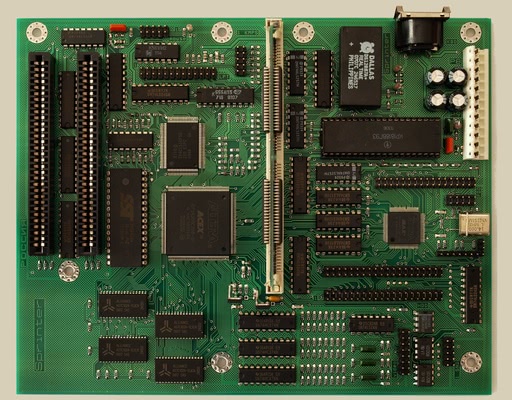 Sprinter 2003s
 Sprinter 2016s mod.2017 paul
 Sprinter 97 mod.2016 mick
 Sprinter 2016s-fix1
 Sprinter 2021s aka 2016-fix2
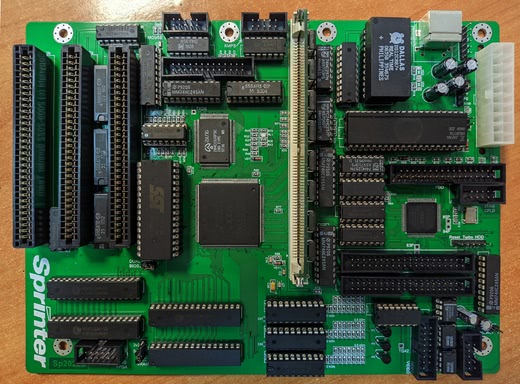 Sprinter 2022d
 ZX Spectrum 128K+3e on Altera DE2-115
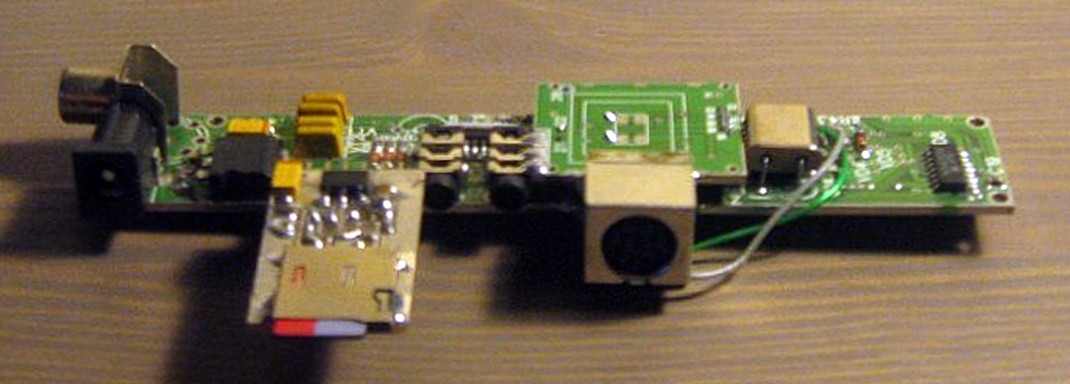 AVR ZX Spectrum v1.0 microSD
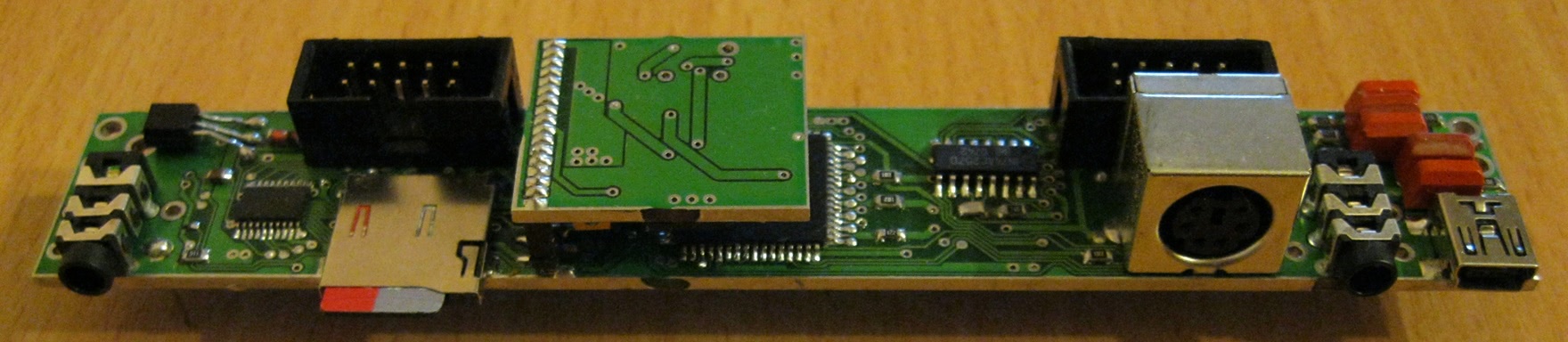 AVR ZX Spectrum v2.0
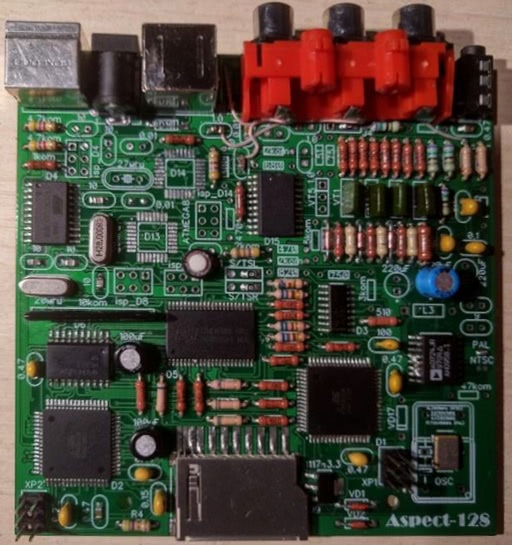 AVR ZX Spectrum v2.0 mod.2017 Paul
 AVR ZX Spectrum v2.1
 AVR ZX Spectrum v2.2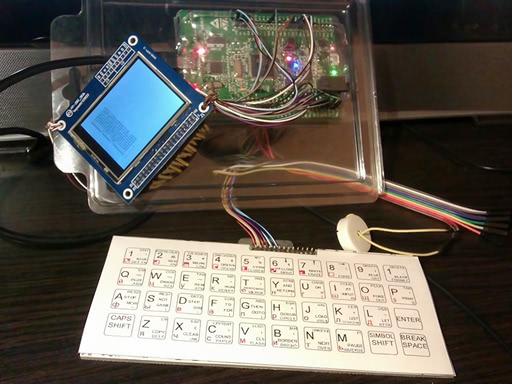
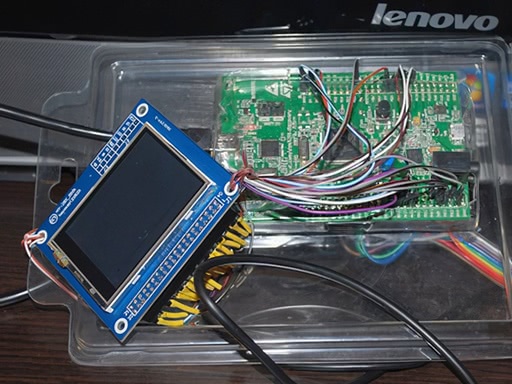
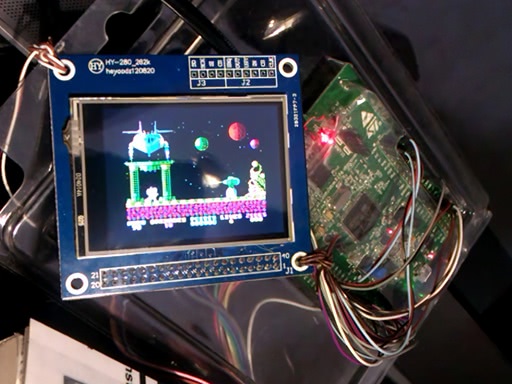
 Sizif-128 rev.0
 Sizif-128 rev.A
 Sizif-128 rev.B
 Sizif-128 rev.C
 Sizif-512 rev.A
 Sizif-512 rev.C
 Sizif-512 rev.C1
 Sizif-512 rev.D
 Sizif-512 rev.D1
 Sizif-512 rev.E
 Sizif-512 rev.E1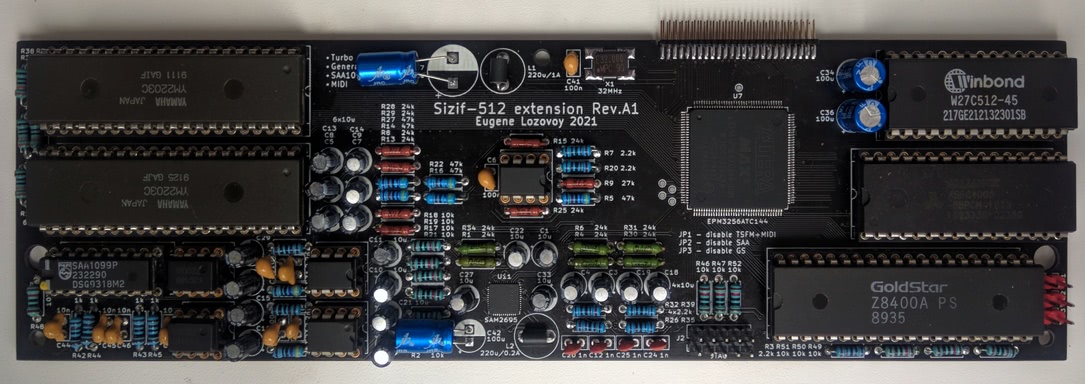
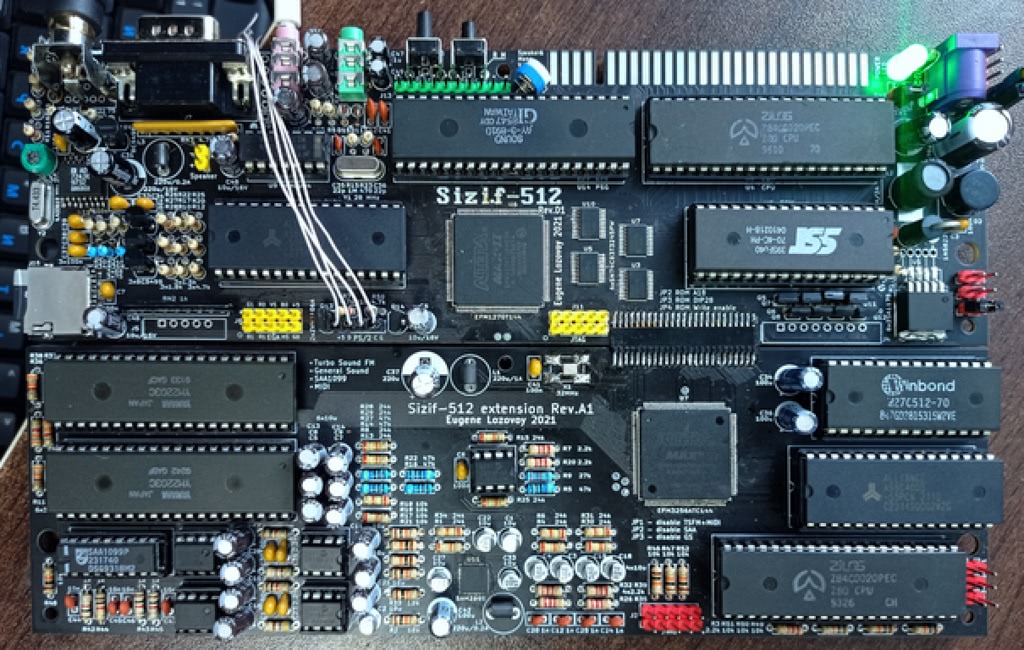 Sizif-512 extension rev.A1
 Sizif-512 Wifi rev.C
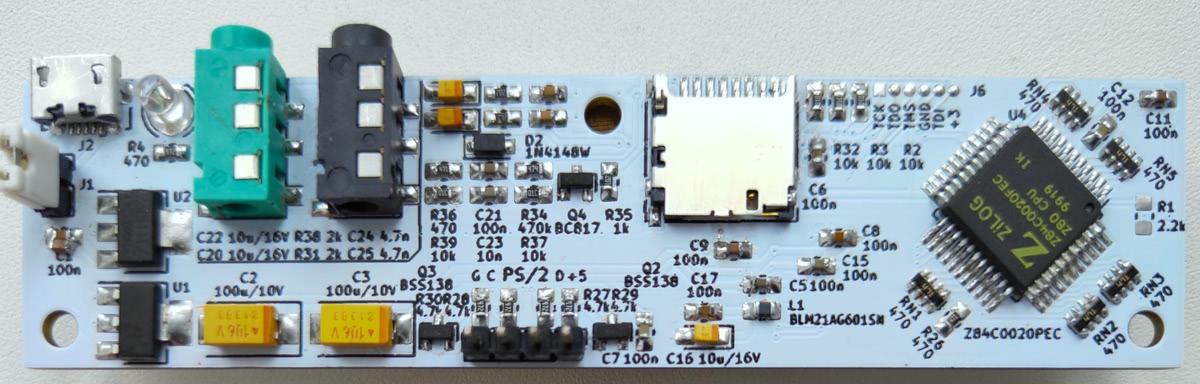 Sizif-XXS rev.A
 Sizif-XXS rev.B
 Sizif-XXS Zero rev.A
 Sizif-XXS Zero rev.A
 ZX Coffee Classic
 ZX Spectrum 128K+++
 Speccy 2007 v1.03
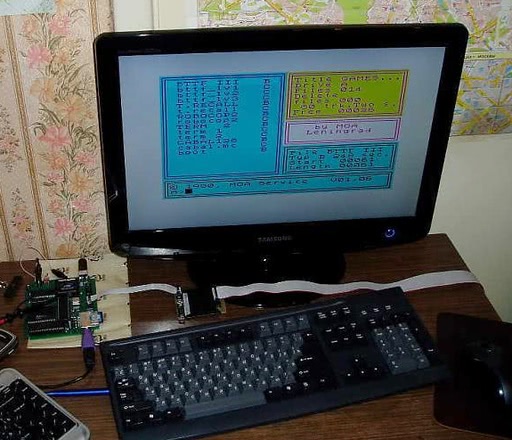 Speccy 2007 v1.04
 Speccy 2007 v1.03 128k mod
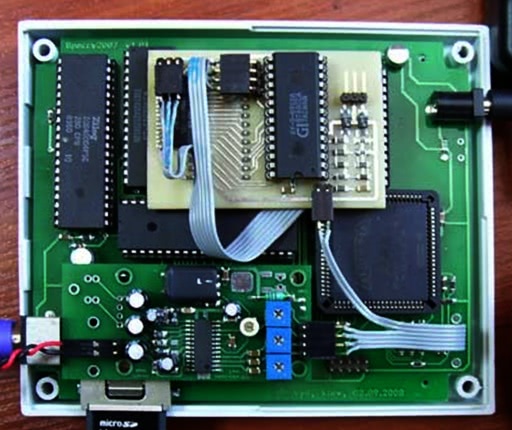 Speccy 2007 v1.06
 Speccy 2007 128
 Speccy 2007 128 mod.2016 .jacksn
 Speccy 2007 128 mod.2017 paul white
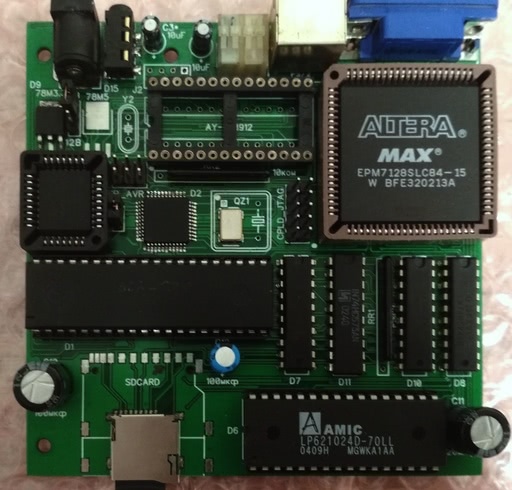 Speccy 2007 128 mod.2017 paul green
 Speccy 2010 rev.1
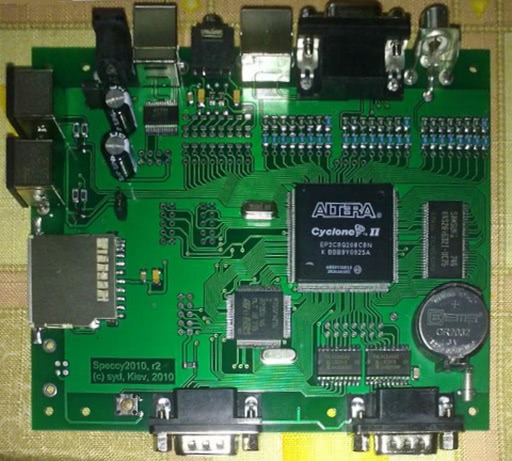 Speccy 2010 rev.2
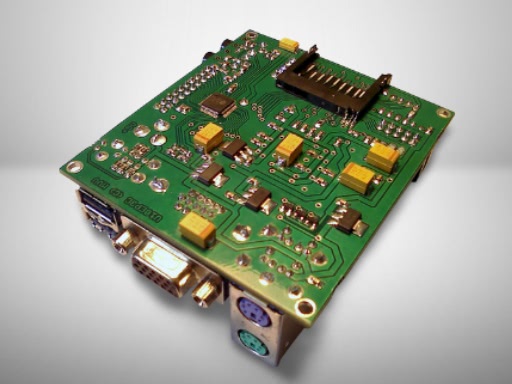 ReVerSE-U10
 ReVerSE-U9
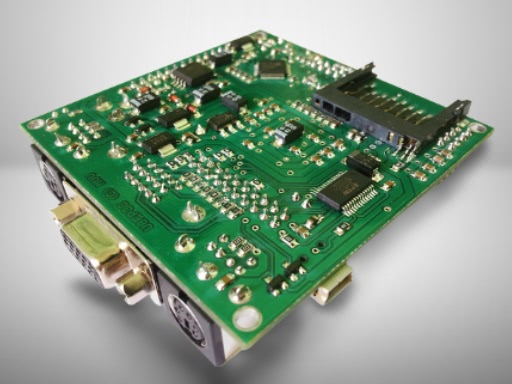 ReVerSE-U8
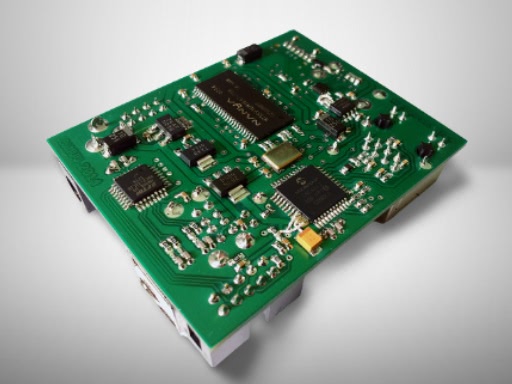 ReVerSE-U16 rev.A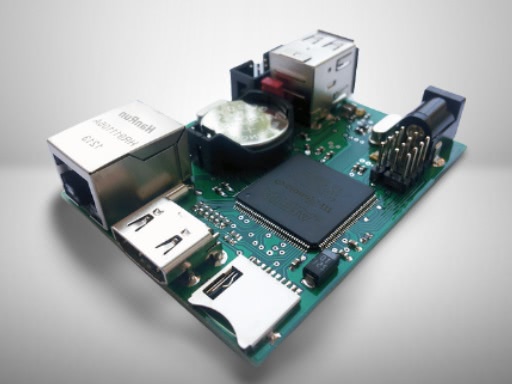
 ReVerSE-U16 rev.C
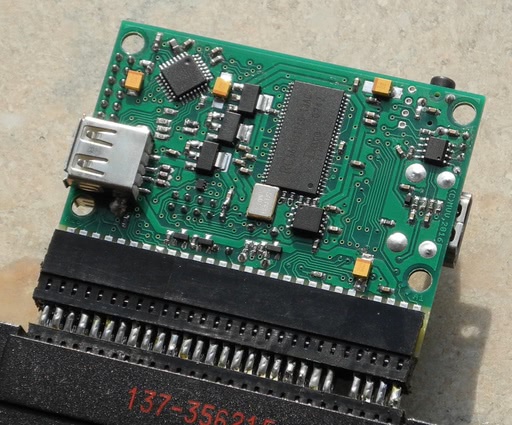 DivGMX
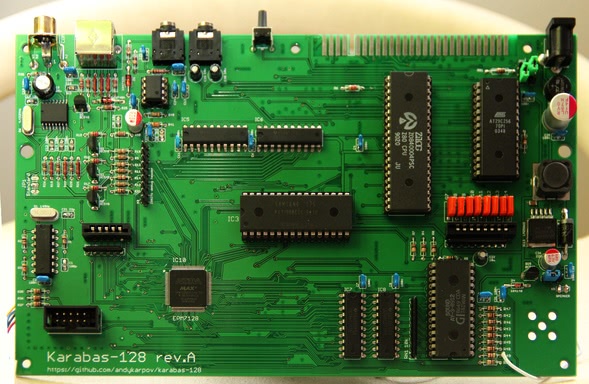 Karabas-128 rev.A
 Karabas-128 rev.A2
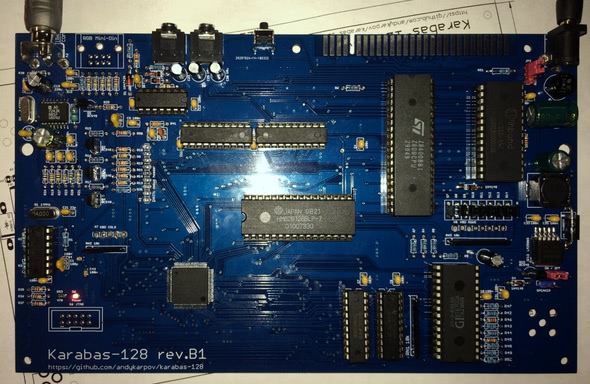 Karabas-128 rev.B1
 Karabas Nano rev.C
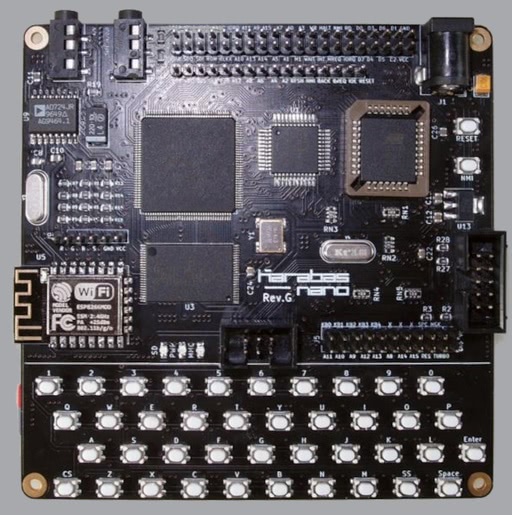 Karabas Nano rev.G


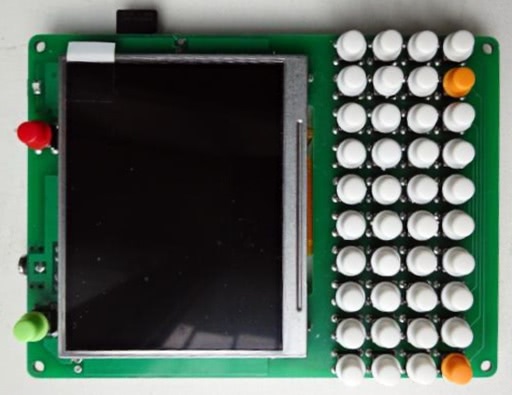
 Pocket ZX on one chip
 Pentagon 512 on Altera DE1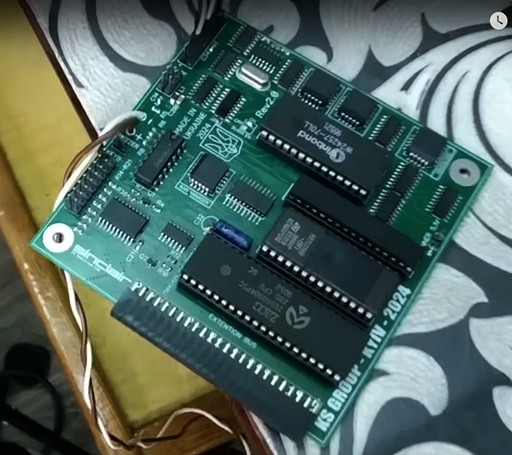


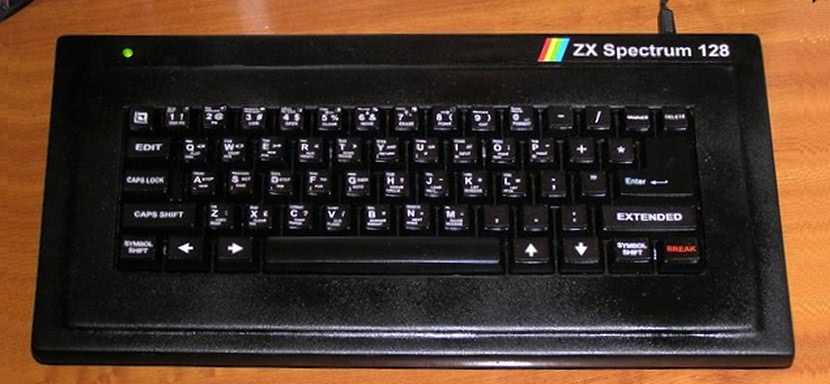 ZX128
ZX128 C4 Speccy 48K
 Aeon v1.0
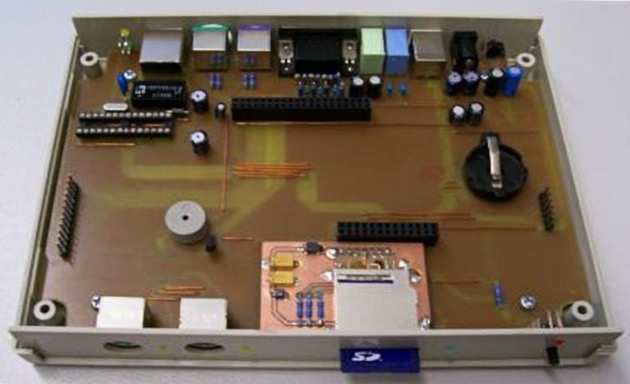 Aeon v2.0
 Aeon Lite
 Aeon
Aeon AX82
AX82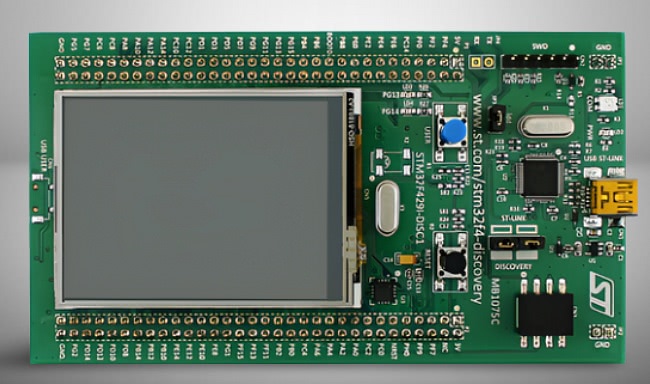
 ZX Spectrum 48K on STM32F429I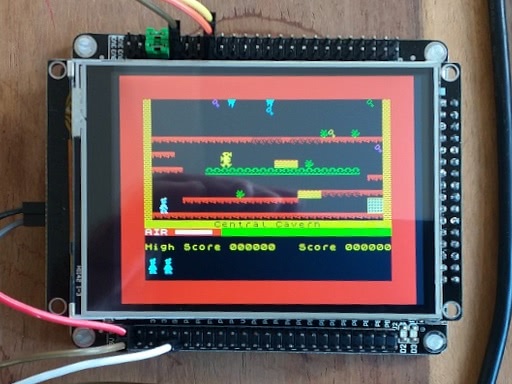
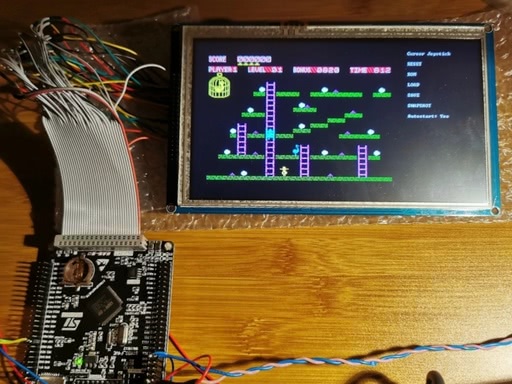
 Steccy


 TensyCEC
 espMCUME
 Tensy4.0MCUME
 T-Computer rev 3
 PICOmputer
 PICOmputer MAX
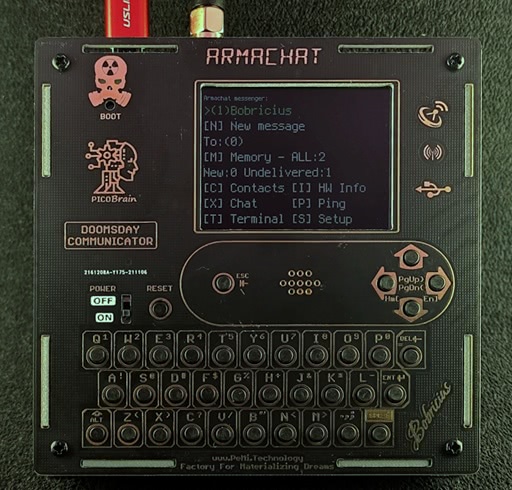 PICOmputer BOX
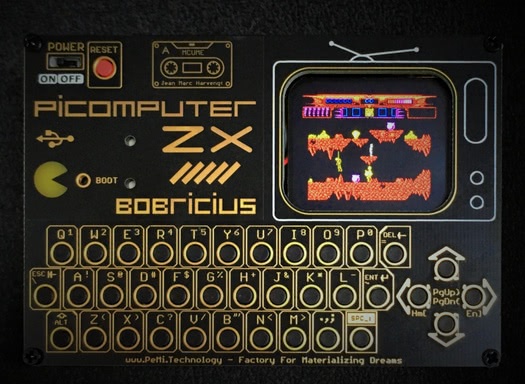 PICOmputer ZX
 PICOmputer V
 PICOmputer 28
 retroVGA v1
 PICOmputer gamer's edition
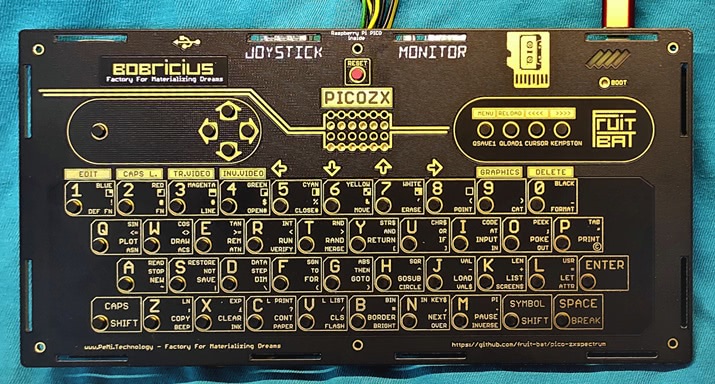 PICOZX
 PICOmputer TOUCH
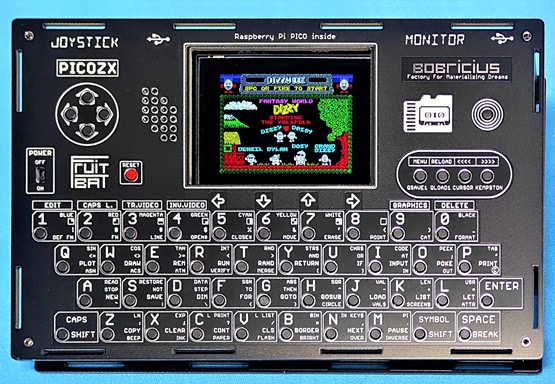 PICOZX handheld

 Speccy2021


 PL3MEM

 ZX-Uno v4.1


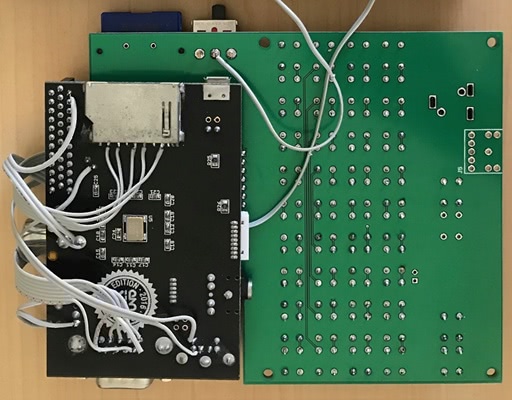


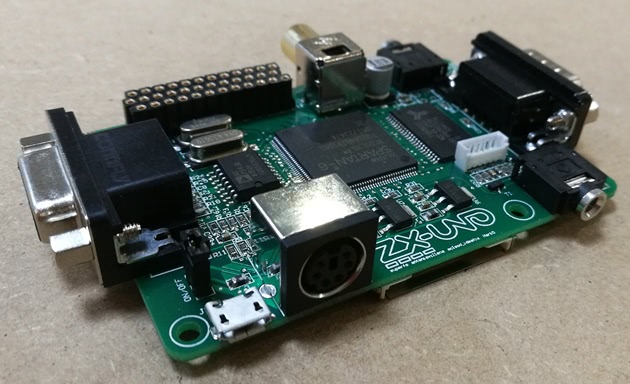


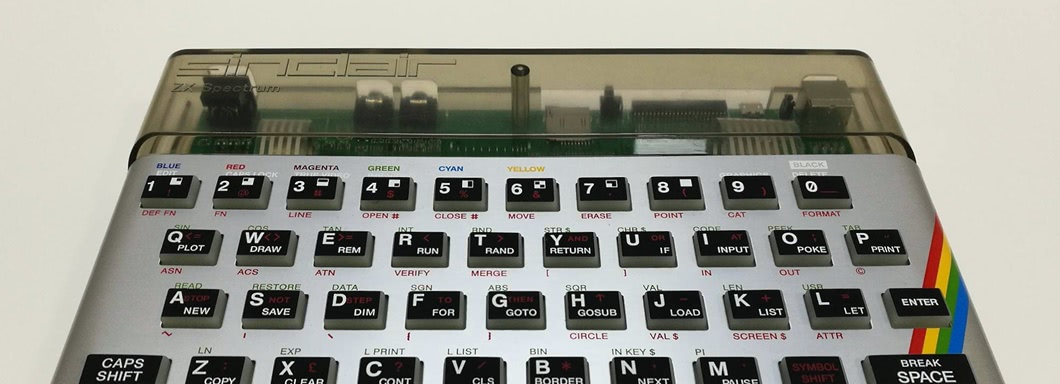


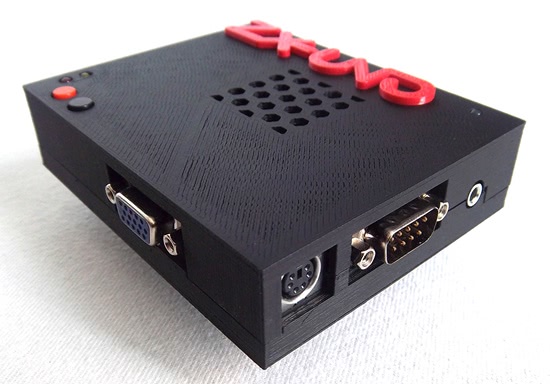


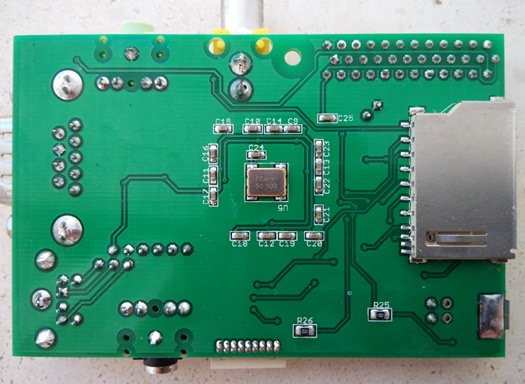


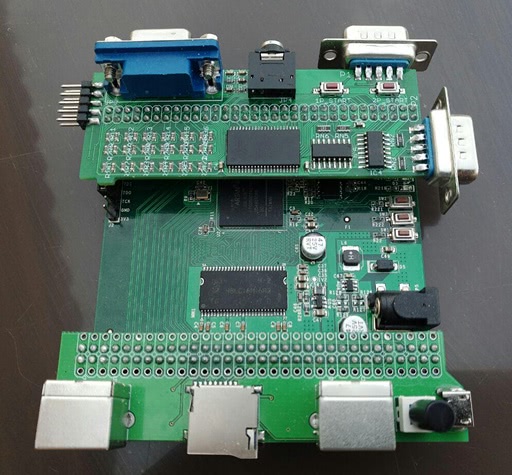
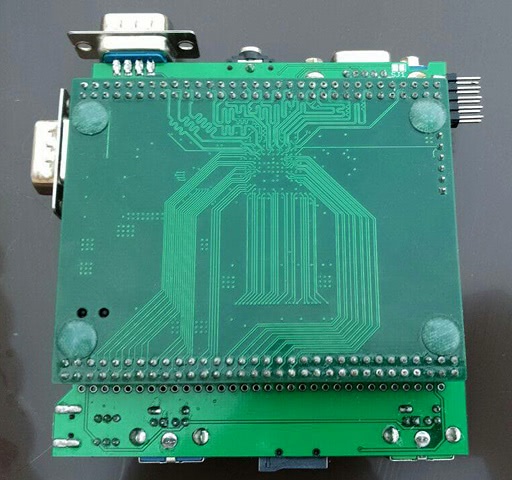


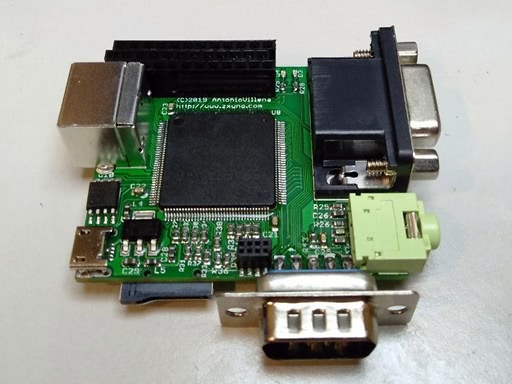
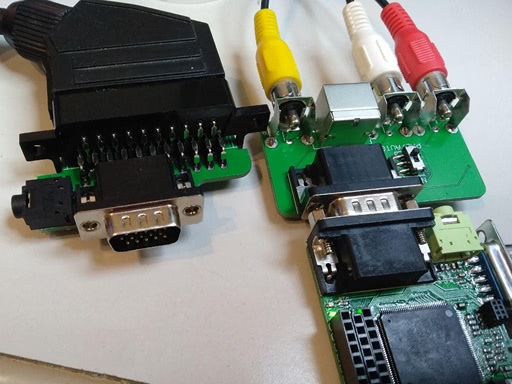

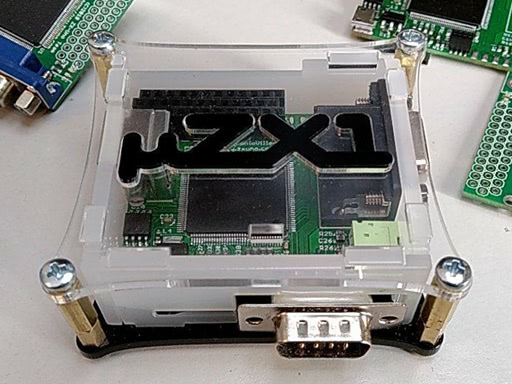


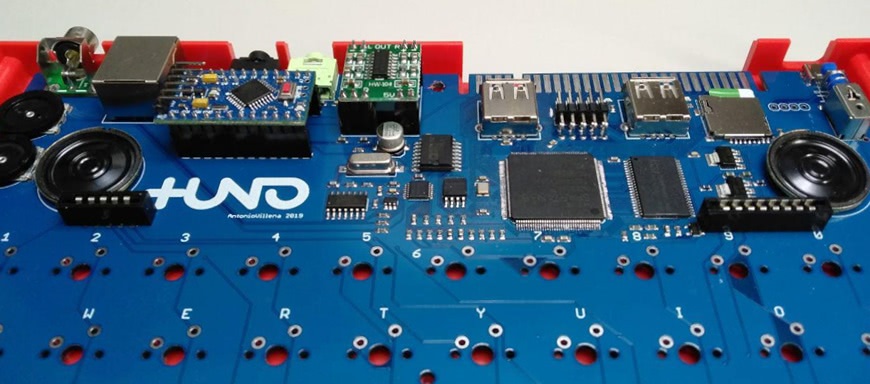


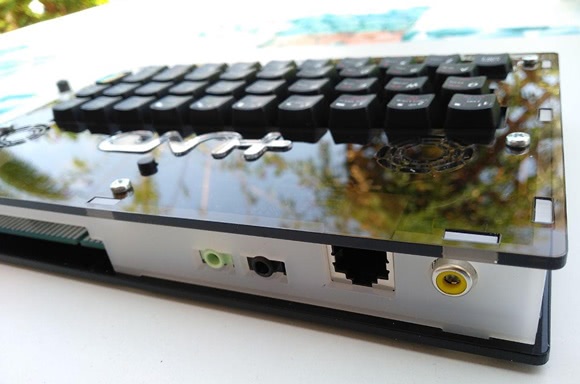


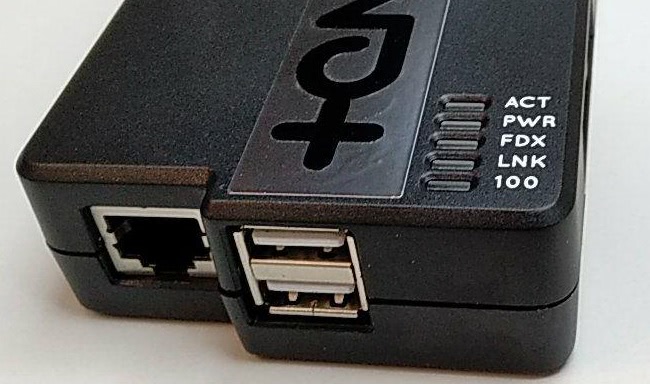


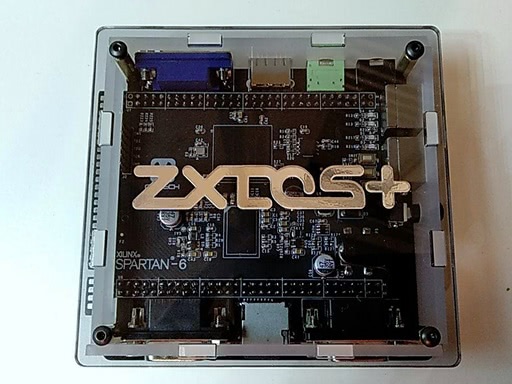

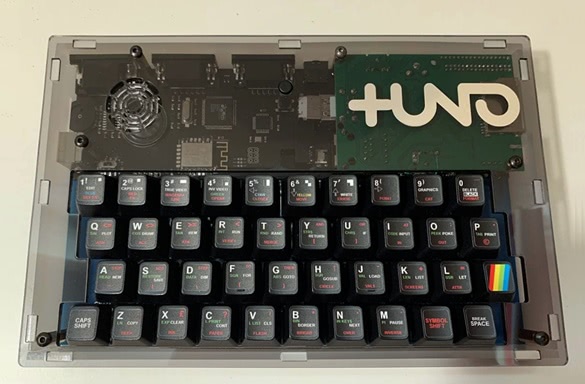
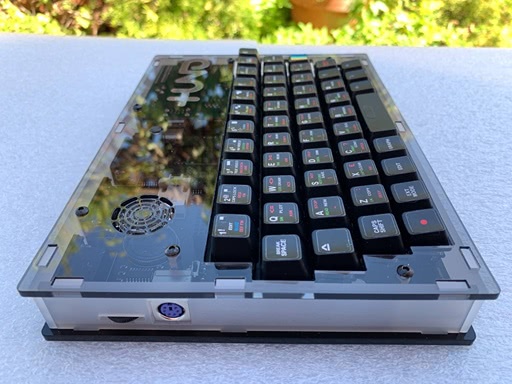
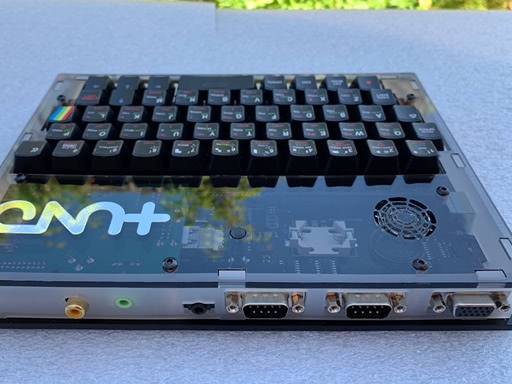

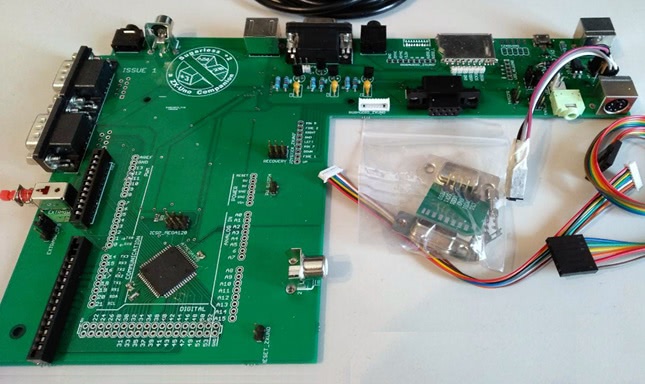


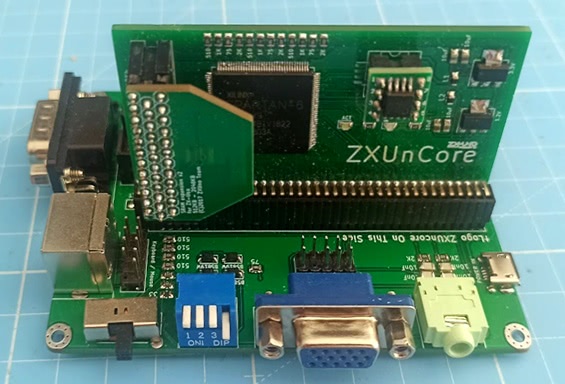

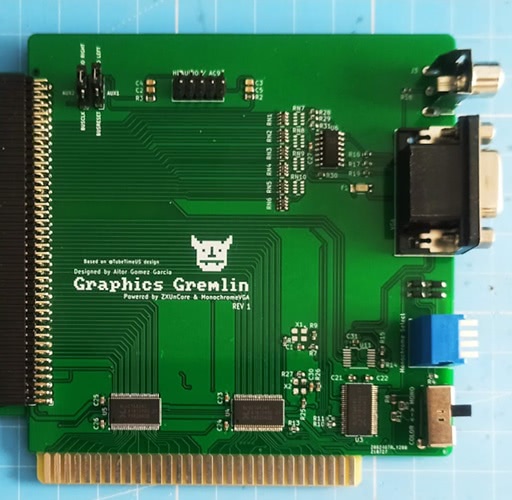

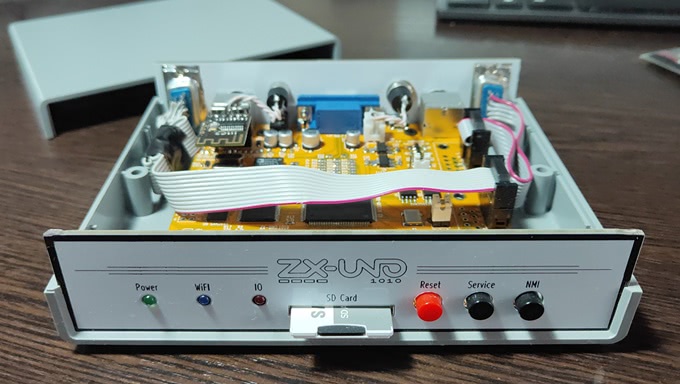

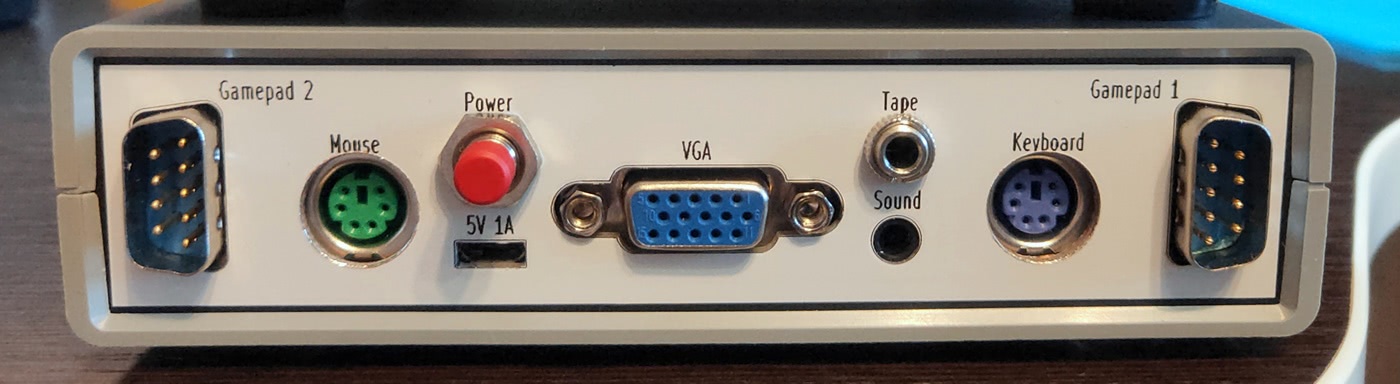
 ZX-Uno Pi edition RC?.?
 ZX-ESPectrum on ESP32 with bitluni VGA
 Lilygo TTGo VGA32
 ZX-ESPectrum-Wiimote on ESP32
 ZX-ESPectrum-Wiimote on Lilygo TTGo VGA32
 ZX128u+
 FGPA Speccy on Digilent Xilinx Spartan-3
 FGPA Speccy on terasIC Altera DE1
 Spectrum48 TV
 ZX Spectrum 128K on ESP32 devboard
 ZX Spectrum Emulator on STM32F407
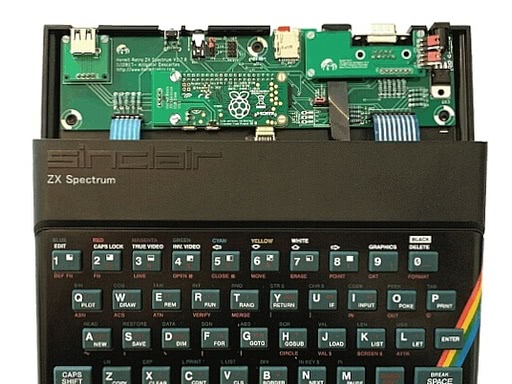 Hermit Retro ZXZero
 Didaktik M 1990
 Didaktik Kompakt 1992
 Didaktik 192KB v1c board
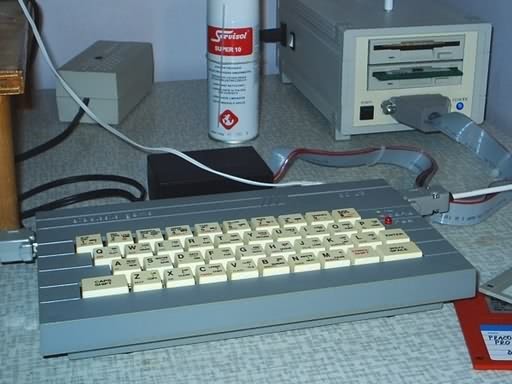 Didaktik 192KB v1c assembled

 ZX Spectrum +3s 3rd revision
 SpeccyBob Lite
 Chrome prototype v1
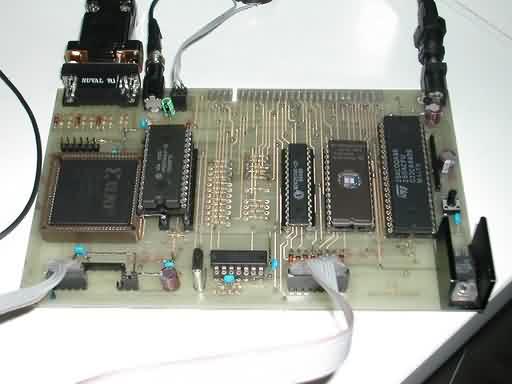 Chrome prototype v2
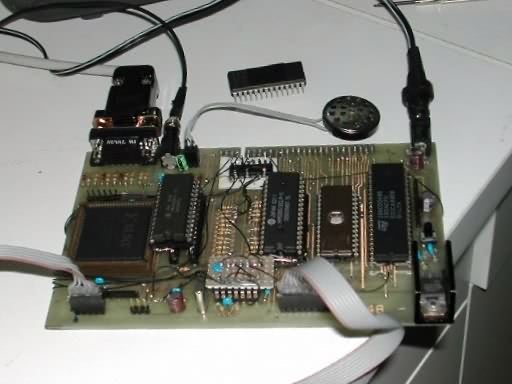 Chrome prototype v2 mod
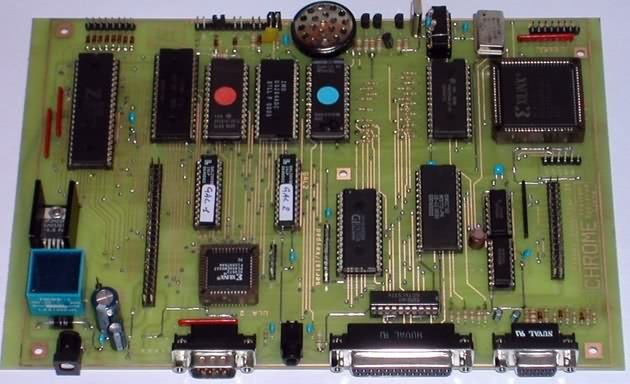 Chrome
 Chrome 128K Issue 3
 ZX-Badaloc
 ZX-Badaloc Reloaded on Xilinx Spartan 3E
 ZX-Badaloc Nano
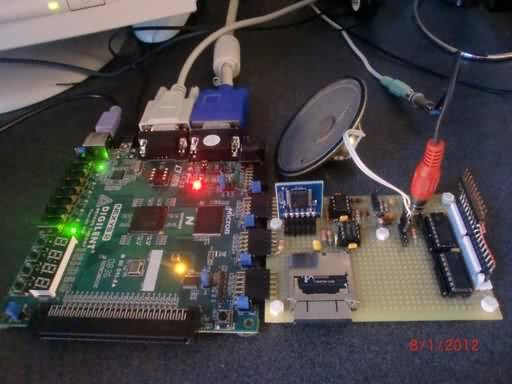 ZX-Badaloc Reloaded on Digilent Nexys2 Spartan 3E
 ZX Spectrum 2009 Remake

 ZX Spectrum 48K Issue 4V
 ESP8266 ZX Spectrum Emulator
 ZX Spectrum S2008 mainboard
 ZX Spectrum S2008
 ZX16K on STM32f103c8t6
 ZX48K on STM32f103ret6
 ZX128
ZX128
 ZX Coffee Classic
 ZX Spectrum 48K on STM32F407 devboard
 ESPlay Micro v1
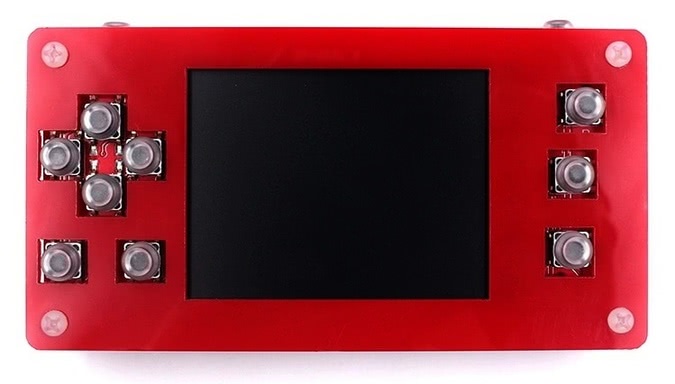 ESPlay Micro v2
 Retro ESP32
 Retro ESP32
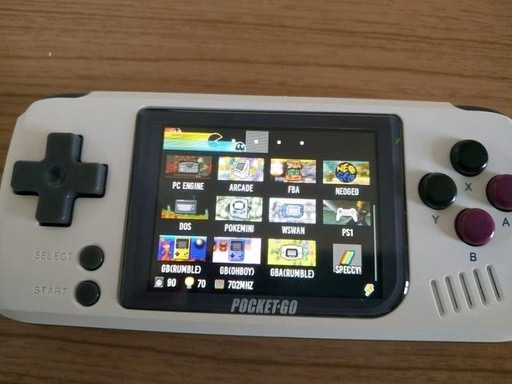 ZX Fuse Emulator on Bittboy Pocket-go
 SiDi FGPA
 neptUNO
 Pocket ZX
 Pocket ZX on STM32F103RET6
 Pocket ZX on Wemos D1 Mini
 Vilros keyboard with hub for Raspberry PI
 Speccy 2007 v1.00
 Speccy 2007 v1.06
 Speccy 2007 v1.1
 Speccy 2007+128K+AY rev.0
 Speccy 2007/2-128
 Speccy 2007+128K+AY+TR-DOS
 Speccy 2010 rev 2

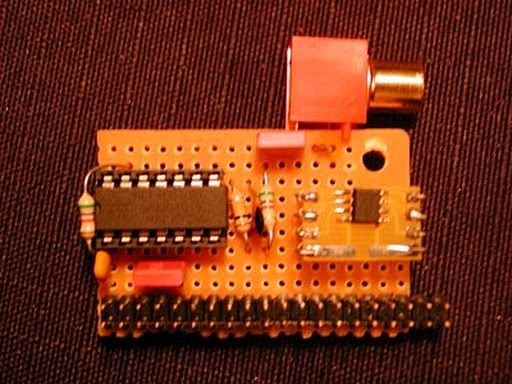 FPGA Speccy
 Pentevo rev A
 Pentevo rev B
 Pentevo rev C
 Pentevo Light
 ZXM-777 rev 01
 ZXM-Phoenix revision 00
 ZXM-Phoenix revision 01
 ZXM-Phoenix revision 02
 ZXM-Phoenix revision 03
 ZXM-Phoenix revision 04
 ZXM-Phoenix revision 05
 ZXM-Phoenix revision 05.1
 ZXM-Phoenix revision 06
 ZXM-Phoenix 2
 ZXM-Zephyr rev 00